
Tankless Water Heater For Two Showers
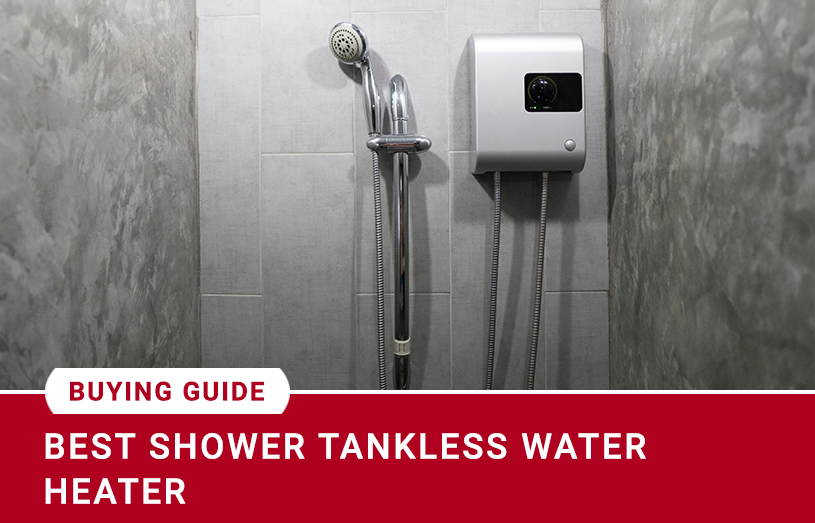
Picture this: It’s a chilly Monday morning. You’ve just dragged yourself out of bed, still half in a dream, and all you crave is that steamy, soul-warming shower. You hop in, the water is perfectly hot, a true moment of bliss... until your partner (or, god forbid, a teenager) decides it's their turn. Suddenly, your blissful steam turns into a cruel, icy drizzle. Sound familiar? Because, oh boy, has it sounded familiar in my house!
That dreadful moment, that sudden shock of cold, is why we’re even having this chat today, my friend. It's the moment that makes you question your life choices, your plumbing, and possibly your relationship with gravity. But what if I told you there’s a hero in this story? A knight in shining armor that promises an endless supply of hot water, even when two showers are running concurrently? Enter the tankless water heater, specifically sized for that very scenario.
So, Can a Tankless Water Heater Really Handle Two Showers?
The short answer is a resounding yes, absolutely! But – and this is a big, important "but" – it’s not just about slapping any old tankless unit on your wall. Oh no, my curious plumbing enthusiast. There’s a bit more science, and a lot more sizing, involved if you want that glorious, uninterrupted cascade of hot water from two different faucets simultaneously. We’re talking about ensuring your morning bliss remains undisturbed, not just slightly delayed.
Must Read
The key here revolves around two main factors: flow rate and temperature rise. Think of them as the dynamic duo of hot water delivery. Let's break it down, shall we?
Flow Rate (GPM): The Hot Water Highway
Every showerhead, faucet, and appliance has a flow rate, measured in Gallons Per Minute (GPM). A typical showerhead usually clocks in around 2.0 to 2.5 GPM. If you’re running two showers, you’re looking at needing at least 4.0 to 5.0 GPM from your tankless unit. And that’s just for showers! Want to run the dishwasher at the same time? Add another 1.0 to 1.5 GPM. See how quickly those numbers add up? It's like building a highway; you need enough lanes for all the traffic.
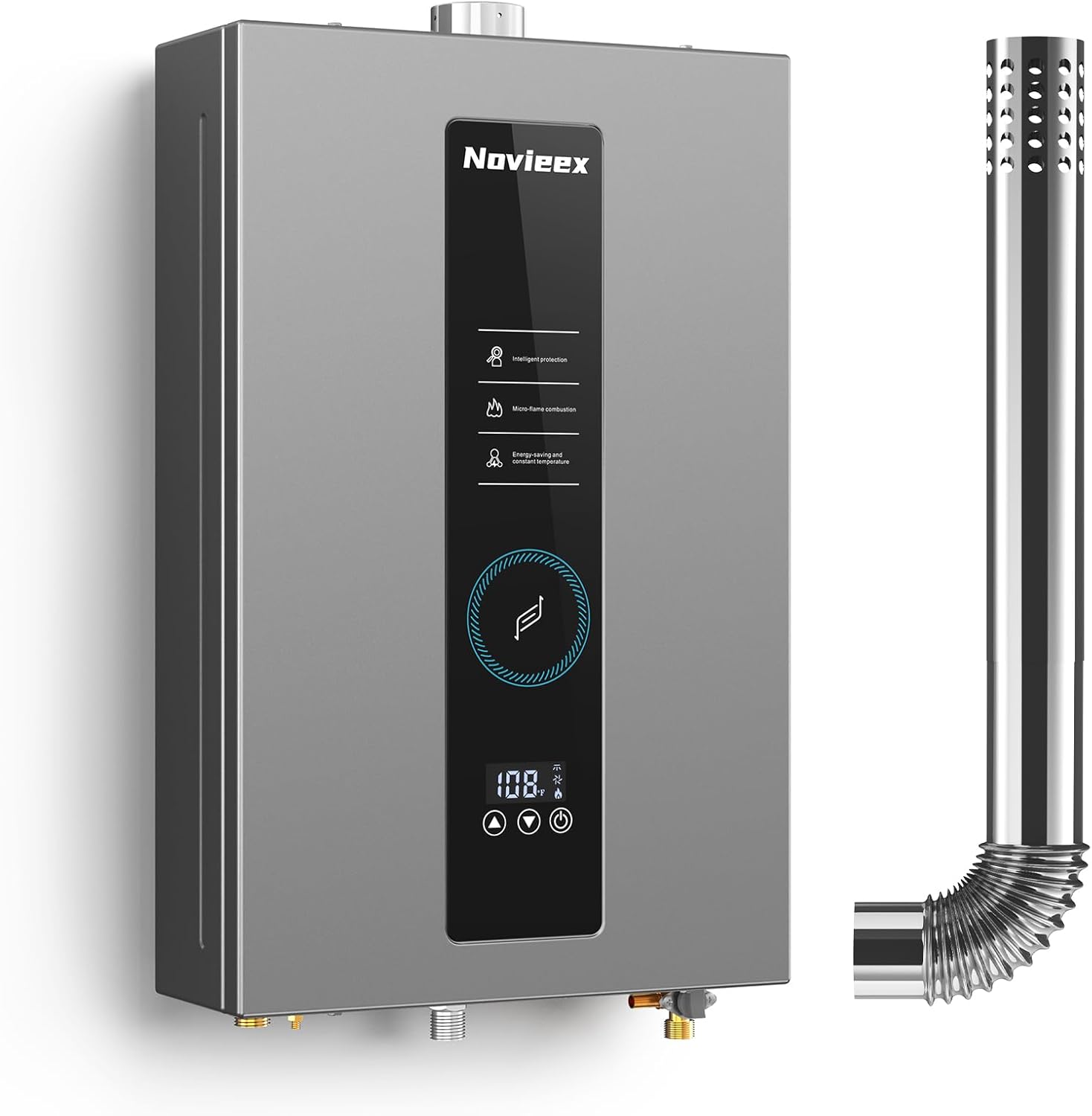
So, when you’re scouting for a tankless heater, you need to check its maximum GPM output. For two showers, you’re generally aiming for units that can comfortably deliver at least 5-7 GPM. Some will even go higher, which is excellent if you have multiple hot water demands at once.
Temperature Rise: Battling the Chill
Now, this is where things get a little localized. The "temperature rise" refers to how many degrees your tankless heater needs to warm the incoming cold water. Why does this matter? Because water entering your home in sunny Florida is a heck of a lot warmer than water entering your home in frosty Minnesota!

A tankless heater’s ability to produce a certain GPM is directly affected by how much it needs to raise the water temperature. If your groundwater is super cold (say, 40°F), the heater has to work much harder to get it to a comfortable 120°F. This means its effective GPM output will be lower. If your groundwater is warmer (say, 60°F), it doesn't have to work as hard, and you'll get a higher effective GPM.
This is why you absolutely must know your average incoming water temperature for your region. Don't skip this step, or you might end up with a tankless heater that promised 7 GPM but only delivers 4 GPM on a cold winter day. And then we're back to that icy drizzle, aren't we?
Power and Fuel: The Engine Behind the Heat
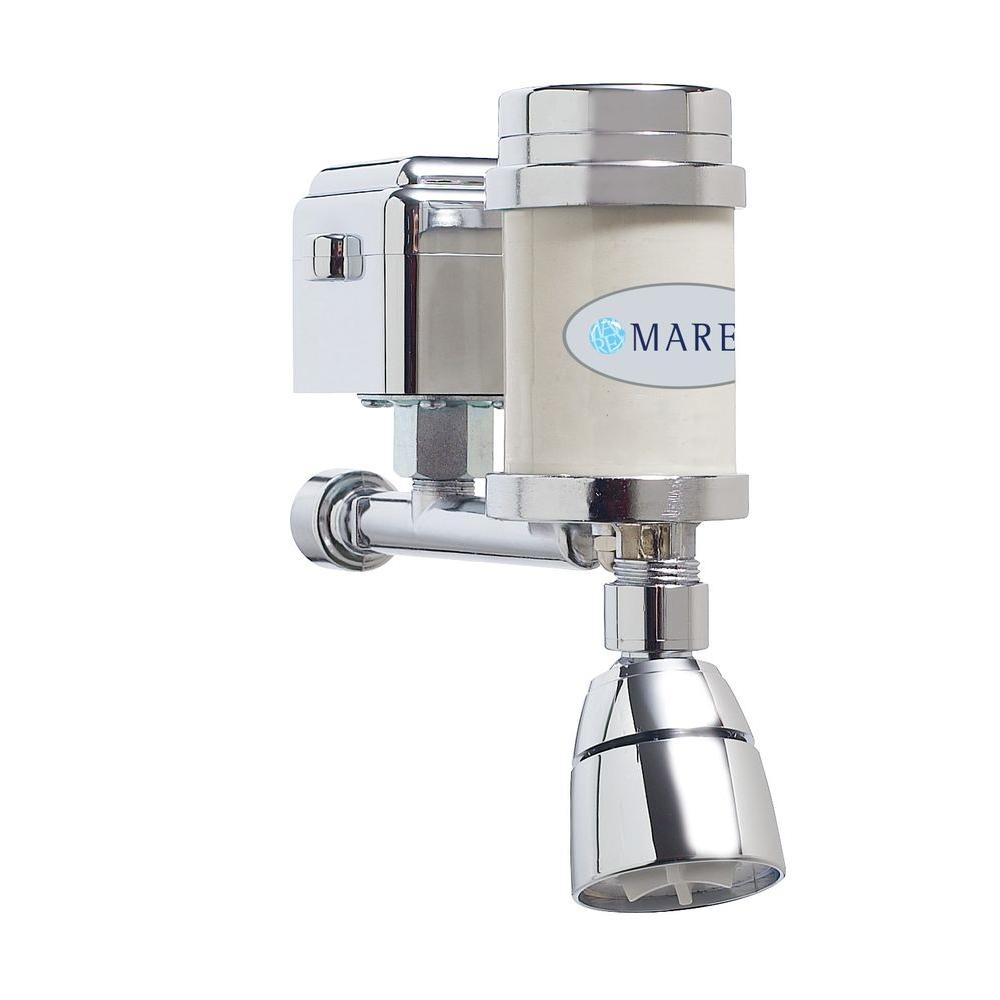
To achieve those high GPMs and temperature rises, tankless heaters need serious power. This is measured in BTUs (British Thermal Units) for gas models, or kilowatts (kW) for electric. For reliable hot water for two showers, gas-powered tankless heaters (natural gas or propane) are generally preferred because they can achieve much higher BTU outputs than electric models. Electric units capable of handling two showers often require significant electrical upgrades, which can add to the installation cost.
So, consider your existing utility setup. Do you have a strong gas line? Is your electrical panel up to snuff for a high-demand electric unit? These are crucial questions to ponder before you fall in love with a specific model.
The Verdict: Is It Worth It?
For homes with multiple hot water demands, especially those with more than one shower in regular use, a properly sized tankless water heater is an absolute game-changer. No more strategic shower scheduling. No more shivering. Just endless, glorious hot water, whenever and wherever you need it.
Yes, the initial investment can be higher than a traditional tank, and installation can be a bit more involved (venting for gas units, electrical upgrades for powerful electric ones). But the energy savings over time (no standby heat loss!) and the sheer convenience often make it a stellar long-term investment. Plus, imagine the peace of mind. No more cold showers. Ever. What a thought!
So, do your homework, crunch those GPM numbers, factor in your local water temperature, and you too can banish the cold shower monster forever. Your mornings (and your sanity) will thank you.