Symptoms Of Carbon Monoxide From Furnace
Ever think about the unsung hero of your home in winter? That trusty furnace, humming away, keeping you cozy and warm. It’s easy to take for granted, but sometimes, even our best friends can hide a secret. And understanding that secret isn't just smart; it's a fascinating peek into how our homes work and how we can become everyday guardians of our well-being.
Our little expedition today is into the world of carbon monoxide (CO) – specifically, the signs our bodies might give us if our furnace isn't quite up to snuff. Why is this relevant, you ask? Because CO is often called the "silent killer" – it's invisible, odorless, and tasteless. But here's the cool part: your body is an incredible detector, and with a little knowledge, you can learn to interpret its whispers. The purpose of knowing these symptoms isn't to scare you, but to empower you with awareness, turning you into a super-sleuth for safety.
The benefits are clear: early detection can prevent serious illness or even tragedy. It’s about being proactive and tuning into your own body's signals. In daily life, this knowledge is invaluable. Imagine you're feeling a bit off – a nagging headache, a touch of nausea, or just an unusual sense of fatigue. These are symptoms we often brush off as a rough day, a budding cold, or too much screen time. But when it comes to CO exposure from a faulty furnace, these seemingly innocuous feelings can be critical clues.
Must Read
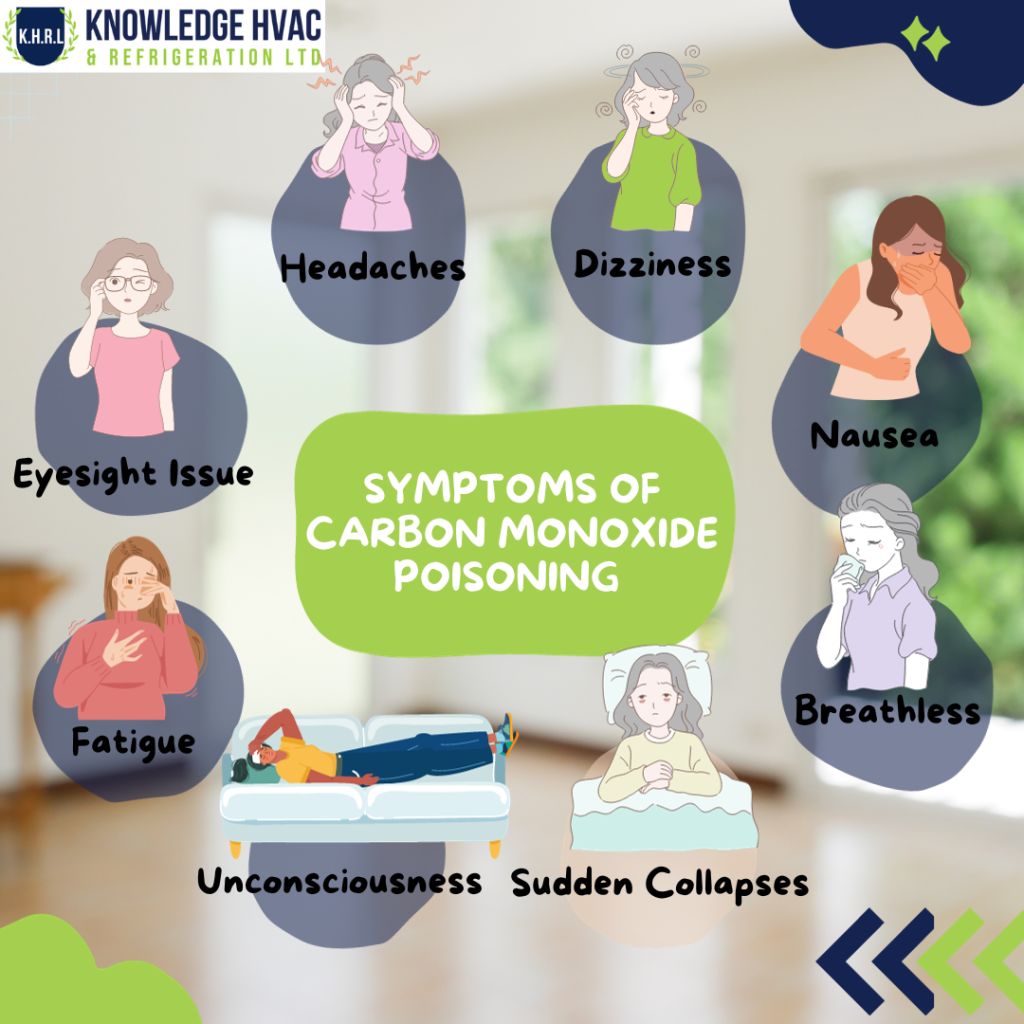
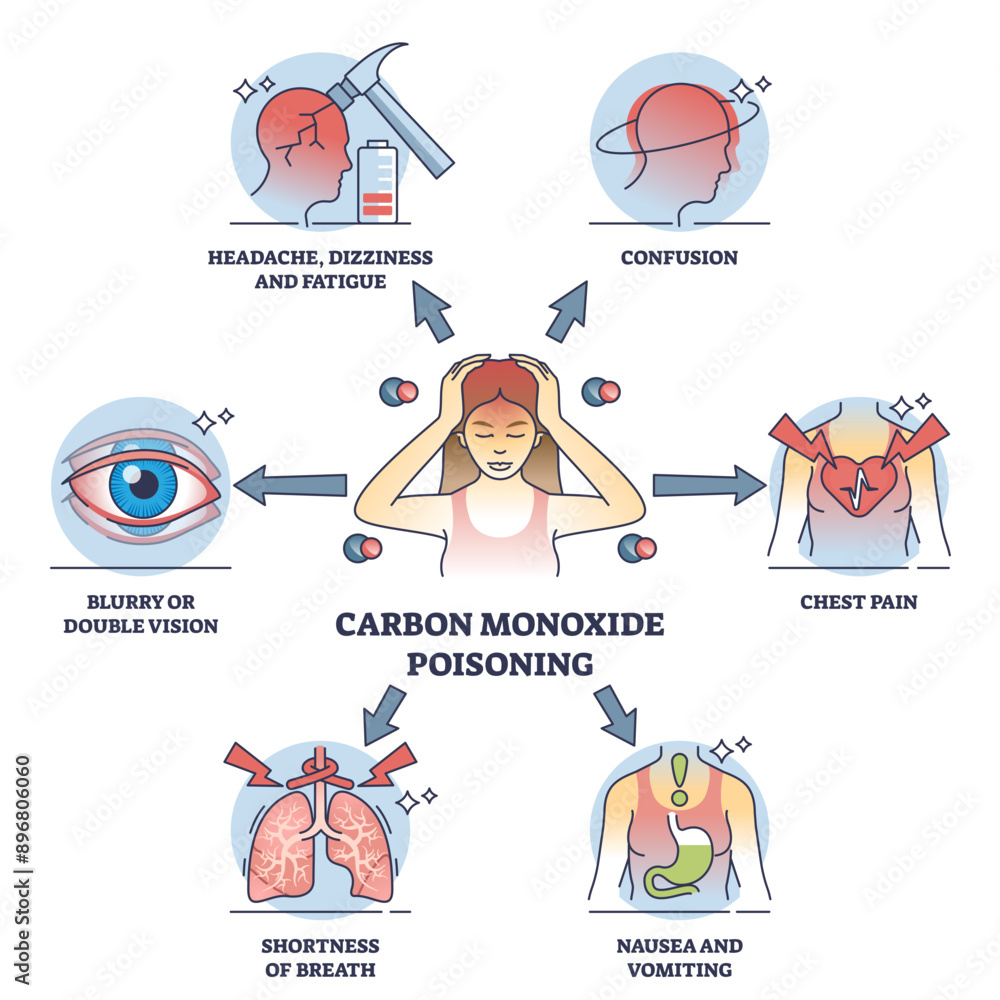
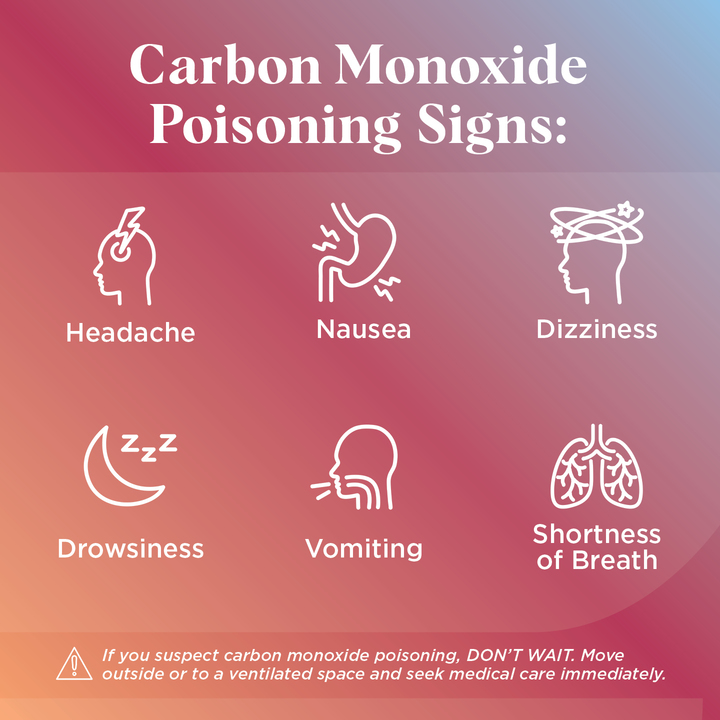
So, what exactly are these clues? Think of them as a strange, unwelcome game of "flu-like symptoms." You might experience a dull headache, often described as a band around your head. Then come the feelings of dizziness or lightheadedness, perhaps accompanied by nausea or even vomiting. You might feel unusually weak or tired, like you've run a marathon when you've just been sitting on the couch. As exposure increases, confusion, disorientation, or even blurred vision can set in. What's particularly telling is if these symptoms tend to appear when you're indoors and mysteriously improve when you step outside into the fresh air. Even more so if multiple people or pets in the same building start showing similar signs.
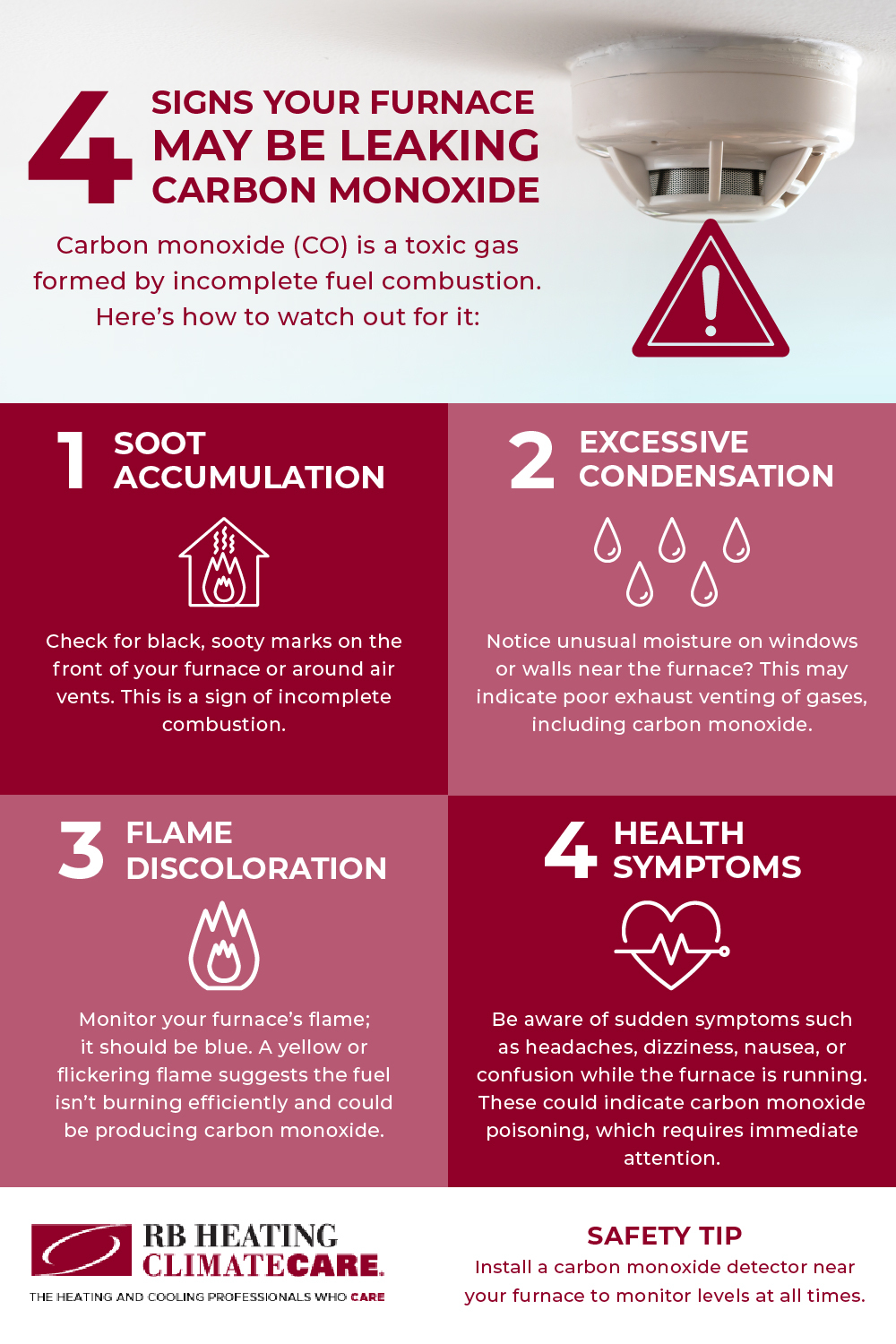
Want to become a safety explorer? Here are some simple ways to explore this topic and protect yourself. First and foremost, invest in carbon monoxide detectors. Think of them as your personal, always-on CO sniffers. Place them near sleeping areas and on every level of your home. Test them regularly, just like your smoke detectors. Secondly, make sure your furnace gets an annual check-up from a qualified technician. They'll ensure it’s burning efficiently and venting properly. And finally, trust your gut! If you or anyone in your home feels unwell with these flu-like symptoms, especially if your furnace has been running, open windows, get everyone outside immediately, and call 911 or your local fire department. It’s always better to be safe than sorry when it comes to the silent threat of carbon monoxide. Being curious and informed truly makes a difference!