Strong Gas Smell In House

Alright, let's talk about that moment. You're chilling at home, maybe making a snack, scrolling through your phone, and then BAM! Your nose perks up. There's a scent in the air, a very particular kind of scent. Not cookies baking, not yesterday's forgotten takeout. It's that unmistakable, slightly sulfuric, very specific "gas" smell. For a split second, your brain might go, "Uh oh." But then, if you're like me, a tiny spark of curiosity ignites. Isn't it kinda fascinating how we instantly recognize it? And what's really going on behind that strong whiff?
What's That Sniff? The Mystery of the Gas Smell!
Let's be real, nobody enjoys the smell of gas. But have you ever paused to wonder why it smells the way it does? And why is it so incredibly effective at grabbing our attention? It's almost like a tiny, invisible alarm bell going off right under your nose. It's a fantastic example of a clever, intentional design that’s all about keeping us safe, wrapped up in a package our olfactory system can’t ignore.
Meet Mercaptan: The Unsung Hero
Here’s a fun fact: natural gas, in its pure form, is actually odorless. Yep, completely scent-free. A silent, invisible energy source. Sounds pretty sneaky, right? That’s where our unsung hero steps in: a chemical compound called mercaptan (or methanethiol, if you want to get technical). Gas companies intentionally add this stuff to natural gas before it ever reaches your home. Think of it as a superhero sidekick for an otherwise stealthy energy source.
Must Read
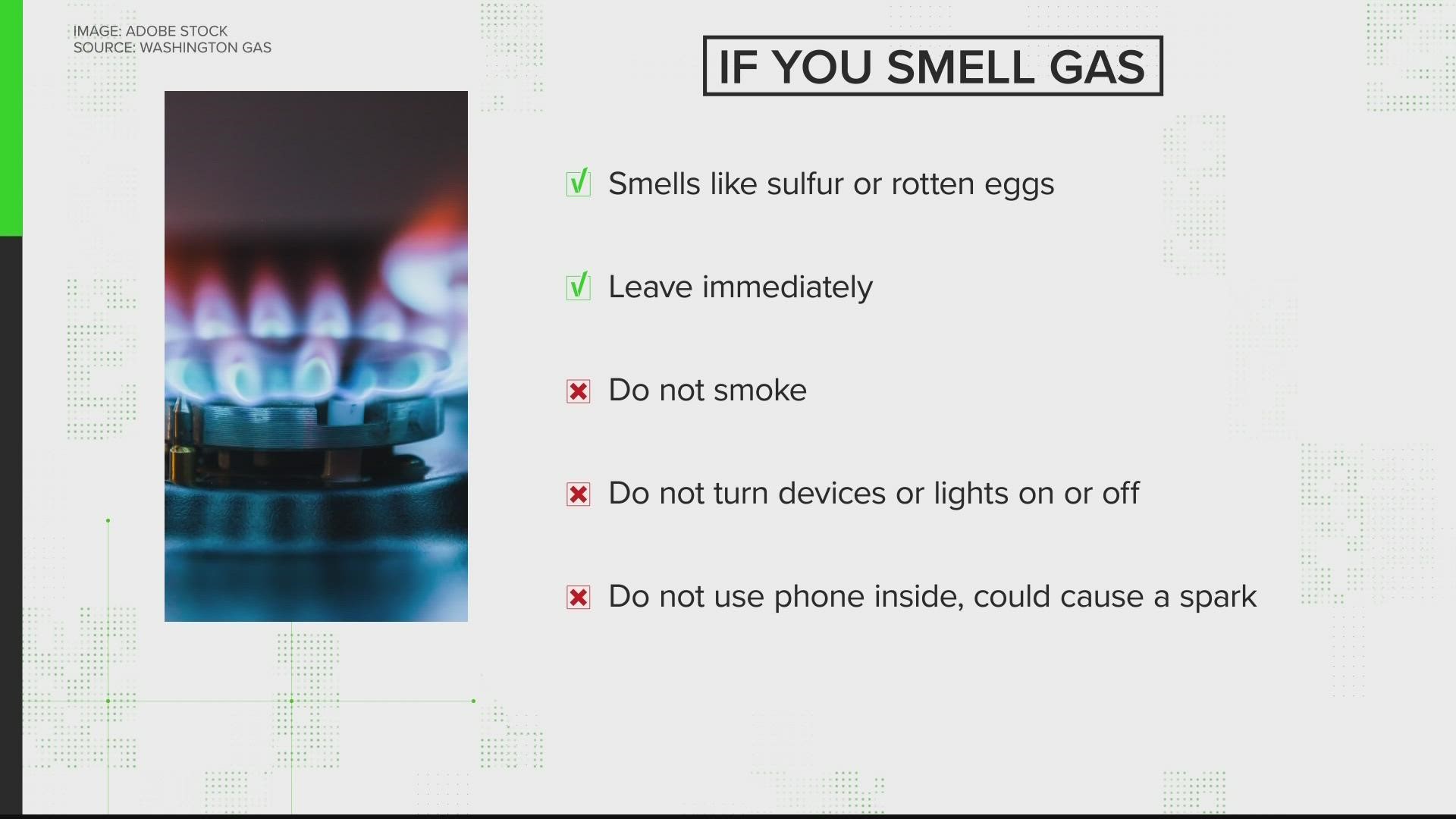
Mercaptan is known for its incredibly potent and distinctive aroma, often described as rotten eggs or cabbage. And when I say potent, I mean it! Our noses are astonishingly sensitive to it. You can detect mercaptan in concentrations as low as one part per billion. That’s like finding a single grain of sand in an Olympic-sized swimming pool! Isn't that wild? It's specifically chosen because it’s so easy to spot, even in tiny amounts.
Your Nose: The Original Gas Detector
So, when you smell gas, you’re actually smelling that mercaptan, shouting a friendly warning. Your nose, a marvel of biological engineering, is doing its job beautifully. It’s an instant alert system, bypassing complicated machinery and going straight to your primal "pay attention!" circuits. It's a reminder of how powerful our senses are, often working silently until something important needs flagging. It's like your internal alarm clock, but for potential energy escapes.
Not Always a Big Deal (But Always Check!)
Now, before anyone gets too worried, a gas smell doesn't always mean a huge disaster. Often, the cause is quite mundane. Perhaps a burner knob on your stove was accidentally nudged ever so slightly, letting a whisper of gas escape before you even turned on the ignition. Or maybe a pilot light on an older appliance, like a water heater or a gas fireplace, has mysteriously gone out. These are the equivalent of a false alarm from a smoke detector because you burned the toast – annoying, but usually easy to fix.
It's all part of the house's subtle communication system. Sometimes it's just a little cough or a hiccup. But because that mercaptan is doing its job so well, even these minor occurrences get your immediate attention. Which, of course, is exactly the point!
The Invisible Intruder: Where Does it Come From?
When the smell is more persistent, that’s when the detective work begins. Where is this invisible intruder coming from? It could be anywhere along the gas lines that snake through your walls, floors, and ceilings, connecting to various appliances like your furnace, water heater, stove, or dryer. Each connection point, each valve, each flex pipe is a potential (though usually very rare) point of escape.

The gas itself is lighter than air, so it tends to rise and disperse. Air currents, open windows, and even the layout of your home can affect how the smell travels. You might smell it strongly in one room, but the actual source could be somewhere else entirely. It's like following a scent trail, trying to pinpoint the origin of a delicious baking aroma, but with a more urgent mission.
Playing Detective: Finding the Source
Becoming a gas smell detective is quite interesting. You sniff around, going from room to room, getting closer to the source. Is it strongest near the stove? The basement where the furnace lives? Perhaps a laundry room? It's a real-world puzzle, solved primarily by one of our oldest and most powerful senses. And when you finally locate the source – a slightly ajar stove knob, a sputtering pilot light – there's a certain satisfaction in solving the mystery.

Beyond the Sniff: Modern Tech's Helping Hand
While our noses are incredibly good at their job, technology has also stepped in to offer a helping hand. Modern electronic gas detectors, some even integrating into smart home systems, can provide an extra layer of vigilance. These gadgets are like highly trained sniffer dogs, constantly monitoring the air for even the faintest presence of natural gas, often sounding a loud alarm long before your nose even catches a whiff. It's a blend of biological evolution and human innovation working together for ultimate safety.
A Subtle Nod to Safety (Without Freaking Out)
So, the next time you encounter that distinctive smell, take a moment to appreciate the cleverness behind it. It’s a brilliant design choice, making an invisible threat instantly obvious. Of course, if the smell is strong, persistent, or accompanied by any other concerns, your first instinct should always be to prioritize safety – turn off the appliance, open windows, and if it feels serious, step outside and call your gas company. But the beauty is, mercaptan has already done its primary job: it grabbed your attention and made you aware.
So, What's the Big Takeaway?
Isn't it amazing how much thought goes into something we often take for granted? That pungent, unpleasant gas smell isn't just a nuisance; it's a testament to human ingenuity and a reminder of how our senses are finely tuned instruments. It’s a tiny, powerful chemical compound, acting as a constant, diligent guardian in our homes. So, next time your nose twitches at that familiar scent, give a little nod to mercaptan, the unsung hero, and appreciate the invisible conversation your house is having with you about safety.