Stolen Equipment Serial Number Check
Alright, settle in, grab your imaginary latte, because we’re about to dive into a topic that’s as thrilling as a detective novel, but with way more practical implications for your wallet: the sneaky world of stolen equipment serial number checks. You know that feeling, right? You're scrolling online, maybe browsing a local marketplace, and BAM! There it is. That amazing deal on a practically brand-new DSLR, a power tool that costs less than a fancy coffee, or a laptop that seems suspiciously underpriced. Your heart does a little jig, your fingers hover over the "Buy Now" button, and then... a tiny, suspicious voice in the back of your head whispers, "Is this too good to be true?"
That little voice, my friend, is your guardian angel wearing a trench coat, and it’s telling you to pump the brakes. Because in the thrilling, slightly shady bazaar of second-hand goods, sometimes that "unbelievable deal" is actually someone else’s broken heart. Or, more accurately, someone else’s stolen property.
The Humble Hero: The Serial Number
Enter our unassuming hero: the serial number. It's not flashy, it doesn't wear a cape, but it’s the unique fingerprint of every piece of equipment out there. Think of it as a tiny, engraved passport for your gadgets and gear. From your smartphone to that ridiculously expensive espresso machine, every item of value has one. And that little string of letters and numbers holds the key to whether you’re about to snag a bargain or inadvertently become an accomplice to a crime (even if it's an accidental, innocent one). Nobody wants to accidentally support a black market for garden gnomes, right?
Must Read
So, why is this important beyond just not getting ripped off? Well, besides the obvious ethical dilemma of not wanting to encourage theft, imagine buying that sweet camera, only to have a legitimate owner track it down. Poof! Your investment, gone. Or worse, the police knock on your door, and suddenly you're explaining how you ended up with a hot item. Trust me, "It was a really good deal on Craigslist!" is not a compelling legal defense. You don't want to be the punchline of a "man accidentally buys stolen tractor" story.
Becoming a Digital Detective: How to Check
Okay, so you’re convinced. You want to be a savvy shopper, not a co-conspirator. How do you go from suspicious observer to bona fide digital detective? It’s easier than you think, and usually involves three main avenues, none of which require a magnifying glass or a deerstalker hat.

First up: Law Enforcement Databases. Many police departments and national agencies (like the NCIC in the U.S. or national police databases in other countries) maintain records of reported stolen items. This is often the most authoritative source. Now, you can’t just waltz into a police station and demand they run a number for your potentially dodgy drone. But, if you have a legitimate concern or are making a significant purchase, sometimes a quick, polite call to your local non-emergency police line can point you in the right direction or even run a quick check for you. Always be courteous, explain why you're calling, and understand they might have priorities beyond your second-hand leaf blower. But hey, it doesn't hurt to ask!
Next, consider the Manufacturer’s Database. Some larger companies, especially those producing high-value electronics like Apple, Dell, or specialized tools, have online portals where you can input a serial number. This usually tells you about warranty status, original purchase date, and sometimes, if it’s been reported stolen to them. It's not foolproof, as not all stolen items are reported directly to the manufacturer, but it's an excellent secondary check. Imagine finding out your "new" iPhone's warranty expired three years ago – that's a red flag waving vigorously, perhaps even doing a little dance.

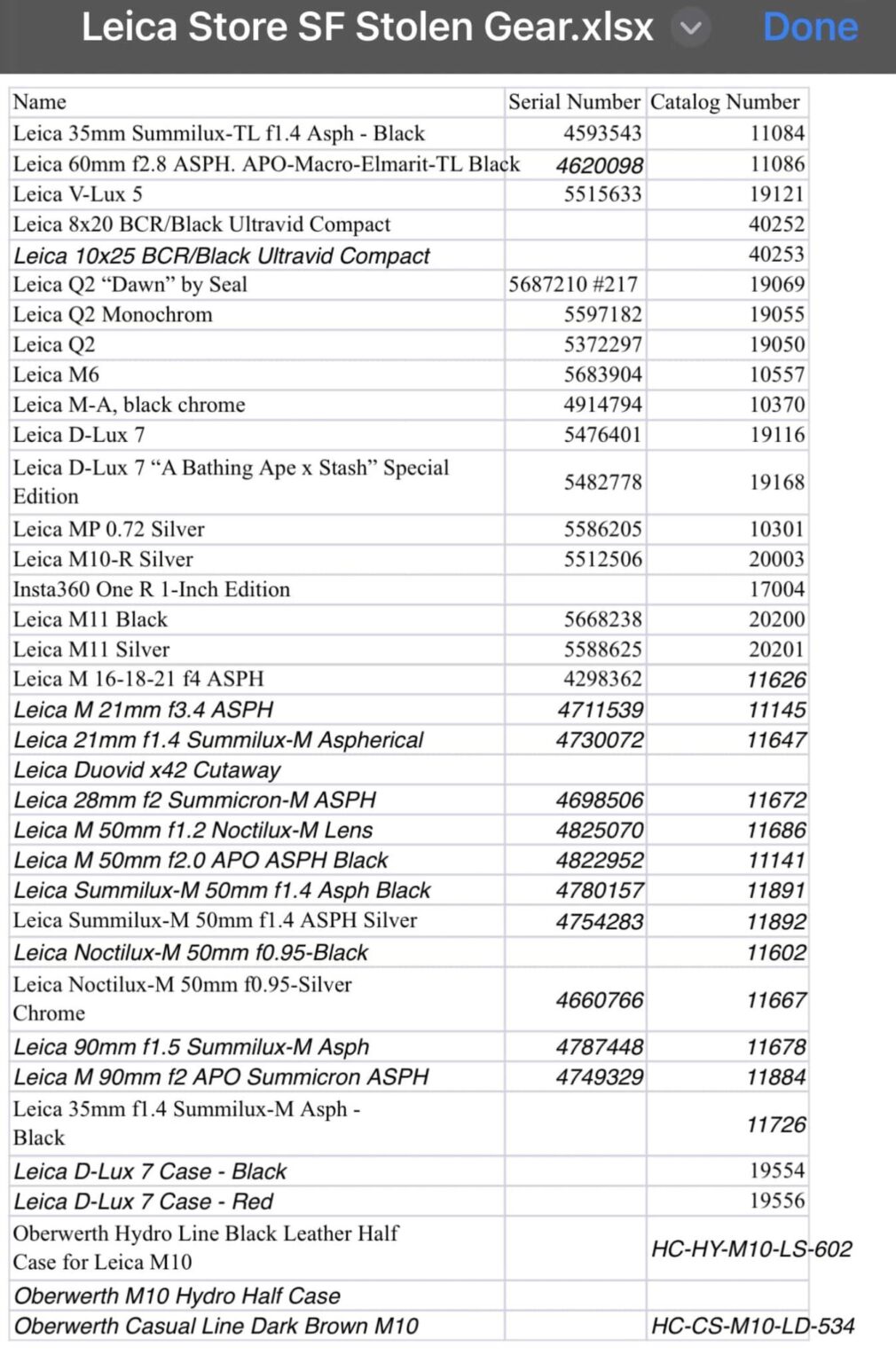
Finally, there are various Third-Party Online Registries and Databases. Websites like stolen.tech (just one example, do your own research for reliable ones!) allow individuals to register their stolen items. These aren't official law enforcement tools, but they can be incredibly useful. If someone's precious camera was swiped and they dutifully entered its serial number here, you might just find a match. It’s like a community watch for lost gadgets, only without the awkward potlucks.
The Golden Rule: Check BEFORE You Buy
Here’s the absolute, non-negotiable, etched-in-stone rule: Always check the serial number BEFORE you hand over any cash or click 'complete purchase'. Seriously. Asking for the serial number from a seller is perfectly reasonable. If they balk, get cagey, or suddenly develop an urgent need to wash their hair, that's your cue to politely back away. A legitimate seller has nothing to hide and will usually be happy to provide the number to prove their item is legit.
Think of it as due diligence. It takes mere minutes, but it can save you hundreds, even thousands, of dollars, not to mention a whole heap of headaches. You wouldn't buy a car without checking its history, would you? The same principle applies here, even for smaller items. That suspiciously cheap drone might be a fantastic deal, or it might be the reason someone else is currently posting frantic "lost drone" flyers with a picture of their heartbroken cat.
So, next time that unbelievably good deal winks at you from across the internet, pause. Channel your inner Sherlock. Ask for that serial number. Do your quick checks. You’ll not only protect your own hard-earned cash but also contribute to making the world a slightly less appealing place for thieves. And who knows, you might even get a genuinely fantastic deal, which is the kind of happy ending everyone deserves, latte in hand.