
Spectrum Is Losing More Internet Customers Than Expected

So, picture this: you're snuggled on the couch, ready for a night of binge-watching your favorite show. The popcorn's popped, the blanket's just right...and then BAM! The dreaded buffering wheel. We've all been there, right? It's enough to make you scream into a pillow. Well, it seems a lot of folks have been doing more than just screaming; they've been switching internet providers. And one big name, Spectrum, is feeling the pinch.
Saying "Goodbye" to Spectrum: It's Not Just You!
You might think you're the only one ditching your internet provider, tired of dropped connections or feeling like you're paying too much for a service that barely keeps up with your cat's TikTok obsession. But newsflash: you're not alone! Spectrum, one of the giants in the internet world, is apparently losing more customers than they anticipated. Think of it like a digital breakup – and it's happening on a massive scale.
Now, I'm no internet wizard, but even I can see that people are getting picky about their online experience. We demand speed, reliability, and maybe even a little bit of sympathy when our Zoom meeting cuts out at the most embarrassing moment (we've all been there too!). And if we don't get it? We're packing our digital bags and moving on.
Must Read
The Great Internet Exodus: Where Are They Going?
So where are all these fleeing internet subscribers headed? Well, that's the million-dollar question! Some are probably finding solace in the arms of other established providers, promising faster speeds and smoother streaming. Others might be experimenting with newer, shinier technologies like fiber optic internet. Imagine, internet so fast it feels like you're living in the future! Who wouldn't want a piece of that?
And then there are the brave souls who are venturing into the world of fixed wireless internet. This option uses radio waves to deliver internet to your home, which sounds like something out of a sci-fi movie, right? It's especially appealing to people in rural areas where traditional wired internet is spotty at best. It's like saying, "Hey, I don't need your cables! I've got radio waves and a dream!"
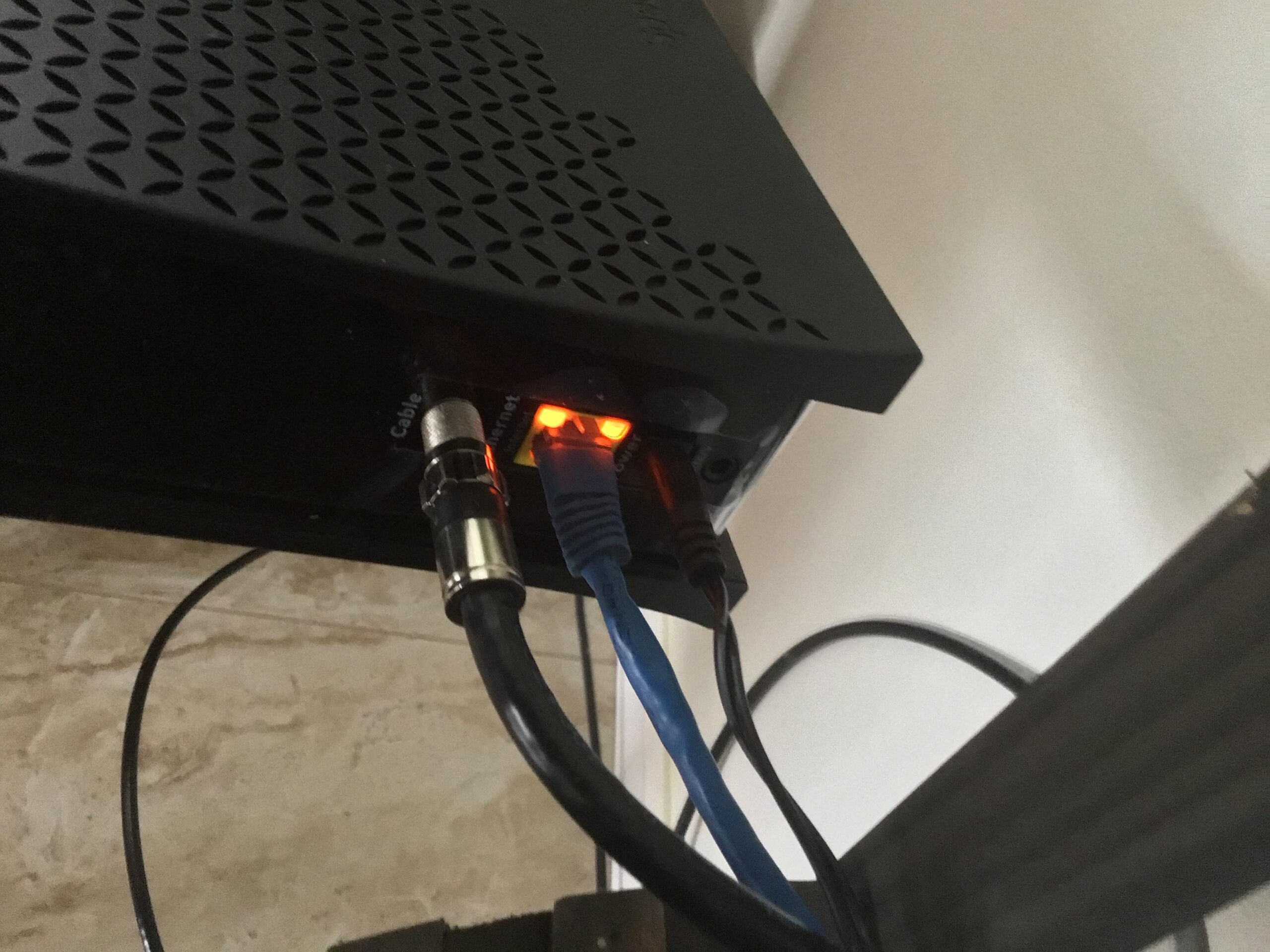
Is This the End for Spectrum? Not Quite!
Now, don't get me wrong, this isn't some sort of internet apocalypse for Spectrum. They're still a major player, and they're probably working hard to win back those disgruntled customers. Maybe they'll offer better deals, upgrade their technology, or start sending out cookies with every internet package (okay, maybe not the cookies, but a girl can dream!).
This whole situation is a good reminder that in today's world, internet is more than just a luxury – it's a necessity. We rely on it for everything from work and school to entertainment and connecting with loved ones. And when that connection is shaky, well, that's just unacceptable. We deserve better, and providers like Spectrum need to listen up!

A Humorous Look at Our Internet Obsession
Let's be honest, our relationship with the internet is kind of like a complicated love affair. We complain about it, we threaten to leave it, but we can't live without it. We yell at our routers, we perform weird rituals to try and boost the signal, and we celebrate like we've won the lottery when the speed test finally shows a decent number. It's a wild ride, and the fact that Spectrum is feeling the heat just shows how seriously we take our online lives.
Maybe this "Great Internet Exodus" will be a wake-up call for all internet providers. Maybe they'll finally understand that we're not just paying for a service; we're paying for a connection – to the world, to our loved ones, and to that hilarious cat video that's going viral. And that's worth fighting for, one dropped connection at a time.

"The internet is not a luxury, it is a necessity." - Someone, probably. (Okay, maybe I made that up, but it should be a quote!)
So, the next time your internet gives you the blues, remember you're not alone. There are thousands of others out there, silently battling buffering wheels and demanding a better online experience. And who knows, maybe all this digital discontent will lead to a brighter, faster, and more reliable internet future for us all.
