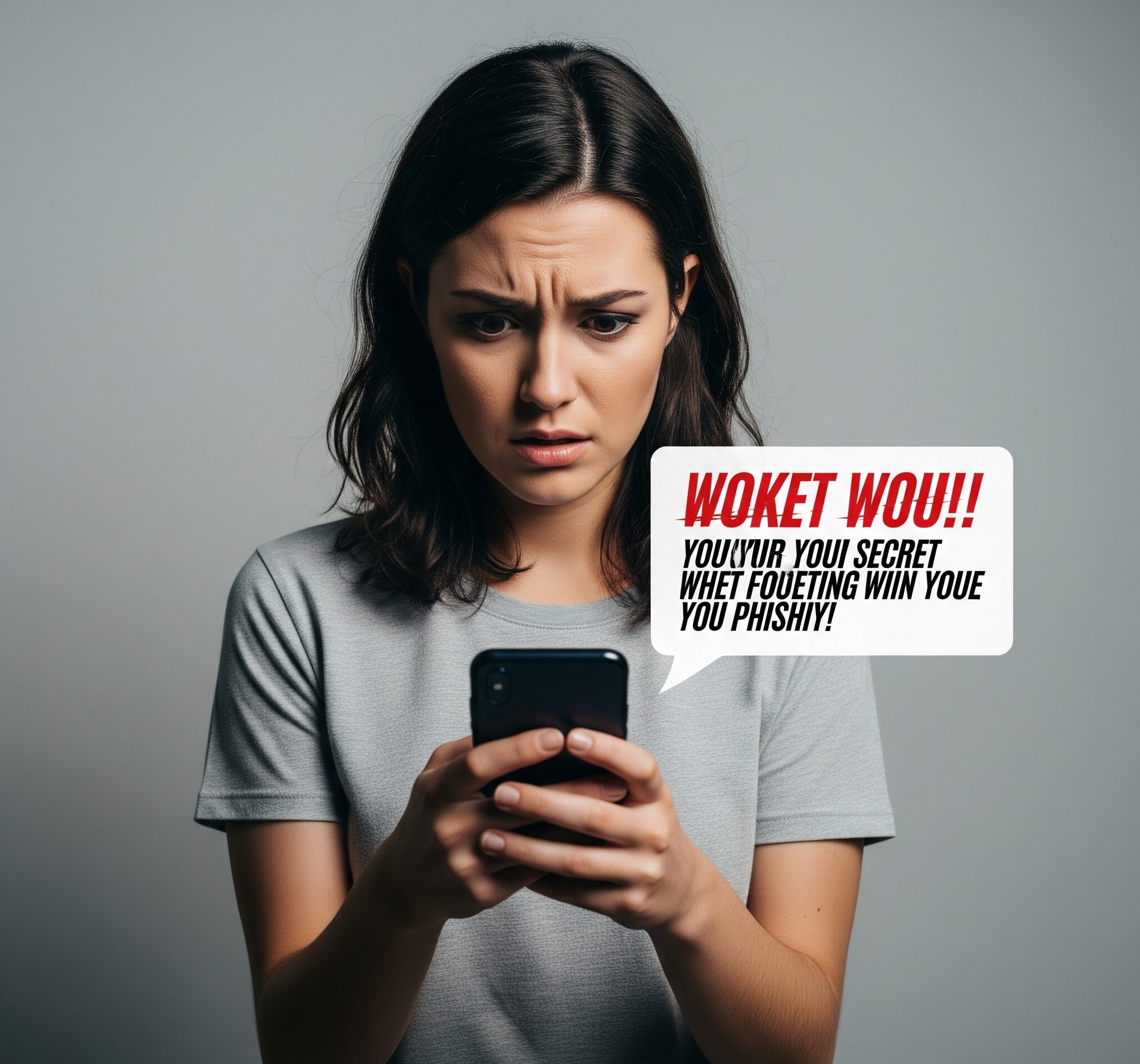
Spam Calls From 860 Area Code

Ah, the telephone. Once a symbol of connection, a lifeline to loved ones, and a conduit for important news. Remember the thrill of a phone ringing and wondering who might be on the other end? Now, the sound of your phone chirping often elicits a different emotion: dread. And increasingly, that dread is accompanied by the nagging feeling that the call originates from the infamous 860 area code.
But before we delve into the dark underbelly of 860 calls, let's acknowledge the telephone's initial purpose – seamless communication. In a world where face-to-face interactions aren't always possible, the phone allows us to bridge distances, share information, and maintain relationships. Whether it's a quick call to confirm a doctor's appointment or a heartfelt conversation with a family member across the country, the phone has always played a vital role in our daily lives.
Consider all the ways we use the phone. We use it for essential services like emergency assistance, scheduling appointments, connecting with customer service, and even ordering our favorite takeout. Businesses rely heavily on phones for sales, customer support, and internal communication. The convenience and immediacy of phone calls are undeniable, even in the age of instant messaging and video conferencing.
Must Read
Unfortunately, the ease and anonymity the phone provides have made it a prime target for scammers and spammers. And that brings us back to the 860 area code. While Connecticut is a lovely state with many legitimate businesses and residents using the 860 area code, it has also become disproportionately associated with unwanted calls. These calls can range from annoying telemarketing pitches to outright scams designed to steal your personal information or money.

So, how can you enjoy (or rather, tolerate) the phone more effectively in the face of this spam call onslaught? Here are some practical tips:
- Be wary of unknown numbers: If you don't recognize the number, let it go to voicemail. If it's important, they'll leave a message.
- Don't answer: Even answering and immediately hanging up can signal to spammers that your number is active.
- Register your number on the National Do Not Call Registry: While this won't eliminate all spam calls, it can reduce the number of legitimate telemarketing calls you receive.
- Use call-blocking apps: Several apps can identify and block spam calls automatically. These apps often rely on community reporting to identify suspicious numbers. Consider apps like Truecaller, Nomorobo, or Hiya.
- Report spam calls: File a complaint with the Federal Trade Commission (FTC). The more information they have, the better they can track down and prosecute scammers.
- Be skeptical: Never give out personal information, such as your Social Security number or bank account details, over the phone unless you initiated the call and are absolutely certain of the recipient's identity.
- Consider silencing unknown callers: Many smartphones now have a feature that silences calls from numbers not in your contacts.
Ultimately, protecting yourself from spam calls requires vigilance and a healthy dose of skepticism. By taking these precautions, you can reclaim your phone and enjoy it (or at least use it) with a little less anxiety, even when that dreaded 860 area code pops up on your screen.