
Soldering Iron For Stained Glass
Okay, let's talk soldering irons. You know, those things that look vaguely like hot glue guns that went to a heavy metal concert? If you're thinking about diving into the wonderful, slightly addictive world of stained glass, you're gonna become very, very familiar with these little beasts. Think of them as your new best frenemy.
You might be asking, "Why do I need a soldering iron, anyway? Can't I just, like, glue the glass together?" Bless your heart. No, honey, no. Glass shards and Elmer's Glue are a recipe for a sad, sticky disaster. Soldering is what joins those beautiful pieces together, creating something strong, lasting, and, let's be honest, super cool.
Choosing Your Weapon (Er, Soldering Iron)
Buying a soldering iron is a bit like buying a car. You can get a bare-bones model, but you might regret it on that long, metaphorical road trip of creating your stained-glass masterpiece. There are a few key things to consider.
Must Read
Wattage, wattage, wattage! This is basically how powerful the iron is. For stained glass, you'll generally want something in the 80-100 watt range. Anything less, and you'll be sitting there forever, like trying to melt an iceberg with a birthday candle. Too much, and you risk scorching everything, including your patience.
Temperature control is key. Imagine trying to bake a delicate soufflé in a furnace set to 'Inferno'. Yeah, not ideal. An adjustable temperature soldering iron gives you the finesse you need to work with different types of solder and glass thicknesses.
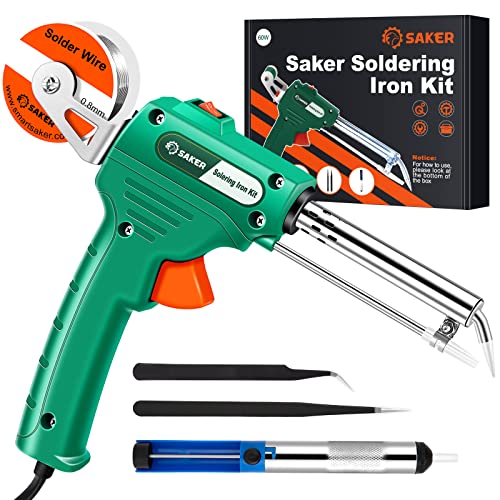
Think of it like this: A fixed-temperature iron is like a screaming toddler – always on, always hot, and rarely helpful. An adjustable one is more like a calm, well-caffeinated adult – reliable and knows when to chill out.
Tip Shape Matters! Most irons come with a standard tip, but experimenting with different shapes can seriously up your game. A chisel tip is great for laying down smooth, even beads of solder, while a smaller, pointed tip is ideal for those intricate details. Changing tips is like changing shoes - you need the right one for the task at hand.

Soldering Iron Mishaps (and How to Avoid Them)
Let's be real. Everyone burns themselves at least once (okay, maybe more than once) when starting out. It's a rite of passage, like accidentally shrinking your favorite sweater or putting salt in your coffee instead of sugar. The key is to learn from your mistakes and invest in some good finger protection. I've heard horror stories, my friends.
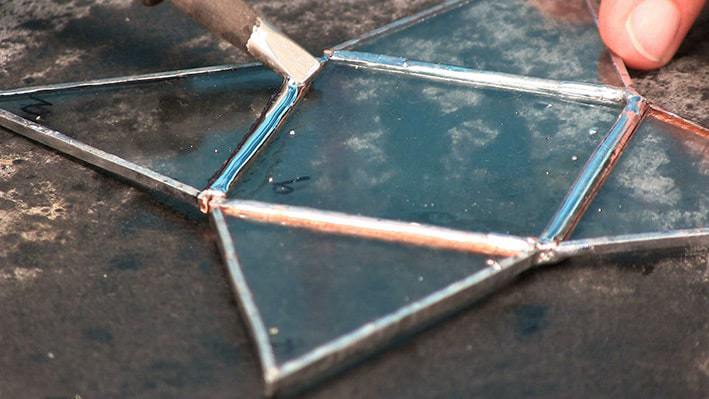
The dreaded cold solder joint! This happens when the solder doesn't properly bond to the foil on the glass. It looks dull, crumbly, and about as appealing as week-old leftovers. The fix? Reheat and add more flux!

Flux is your friend! Think of it as the social lubricant of the soldering world. It helps the solder flow smoothly and creates a strong, lasting bond. Without it, you're basically asking for trouble.
Keeping your tip clean. A dirty soldering iron tip is like trying to write with a pen that's been dipped in mud. It just won't work. Regularly wipe your tip on a damp sponge (not dripping wet, mind you – just damp) to remove any excess solder and keep it in tip-top shape.
Lastly, never, ever, ever leave a hot soldering iron unattended. It's just asking for a disaster. Remember that time you left the iron on and your cat almost lost a whisker? Yeah, me neither... nervous laughter
The Joy of the Joint (Pun Intended)
Despite the occasional burns and frustrating cold solder joints, there's something incredibly satisfying about creating a beautiful piece of stained glass. Watching those pieces come together, held by your own careful solder work, is a feeling that's hard to beat.
So, grab your soldering iron, put on some safety glasses (seriously, do it), and get ready to unleash your inner artist. Just remember, patience and a little bit of humor are your best tools. And maybe some burn cream, just in case.