
Smoke Detectors Hard Wired Vs Battery

Ever thought about the silent guardians in your home? We're talking about those incredibly important smoke detectors! They sit there, patiently waiting, ready to alert you to danger.
But did you know there are a couple of main ways these heroes get their power? It's often a friendly rivalry between the hard-wired and battery-powered versions.
Understanding the difference can feel like uncovering a secret superpower for your home safety. It's not just about a beeping box; it's about choosing the right protector for your family.
Must Read
The DIY Darling: Battery-Powered Smoke Detectors
First up, let's talk about the super flexible battery-powered smoke detectors. These are the rebels of the group, needing no electrical wiring.
You can literally place them almost anywhere. Just pop in some batteries, usually a 9-volt or AA, and you're good to go!
Installation is a breeze, often just requiring a few screws and a screwdriver. No special skills or electricians needed here.
They are perfect for renters who can't alter wiring. They also work wonderfully in detached garages, sheds, or even campers.
The upfront cost for these guardians is usually quite a bit lower. This makes them an attractive option for many households.
However, there's a small catch, and it usually makes itself known in the dead of night. We're talking about the infamous "low battery chirp."
That persistent, high-pitched "chirp" reminds you it's time for a battery change. It’s a sound many of us know all too well!
Forgetting to replace those batteries means your detector might be asleep on the job. That's definitely a risk no one wants to take.

Most battery-only detectors also operate as standalone units. If one detects smoke, it won't typically alert the others in your home.
This means you might have alarms going off only in the immediate vicinity. The critical early warning across the whole house could be missed.
So, while they offer amazing flexibility and easy installation, they do ask for your diligent attention to their power source. They rely entirely on you for their energy.
"The battery-powered detector is your flexible, go-anywhere friend, but it relies on your vigilance for its power!"
Always remember that crucial battery check. Keep fresh batteries on hand, especially for those unexpected chirping concerts.
These detectors are fantastic for specific needs and tight budgets. They truly are a vital first line of defense, ready to protect.
The Steadfast Sentinel: Hard-Wired Smoke Detectors
Now, let's meet the big guns: the hard-wired smoke detectors. These are the permanent residents, directly connected to your home's electrical system.
This means they receive a constant, unwavering flow of power. You never have to worry about their primary power source running out.
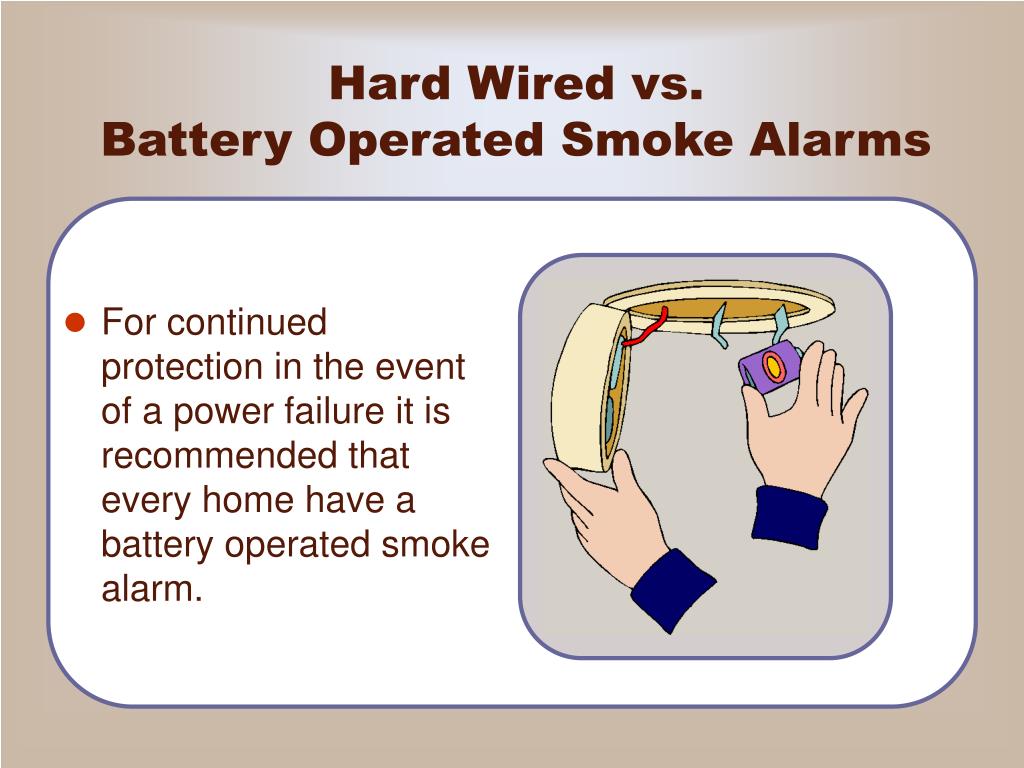
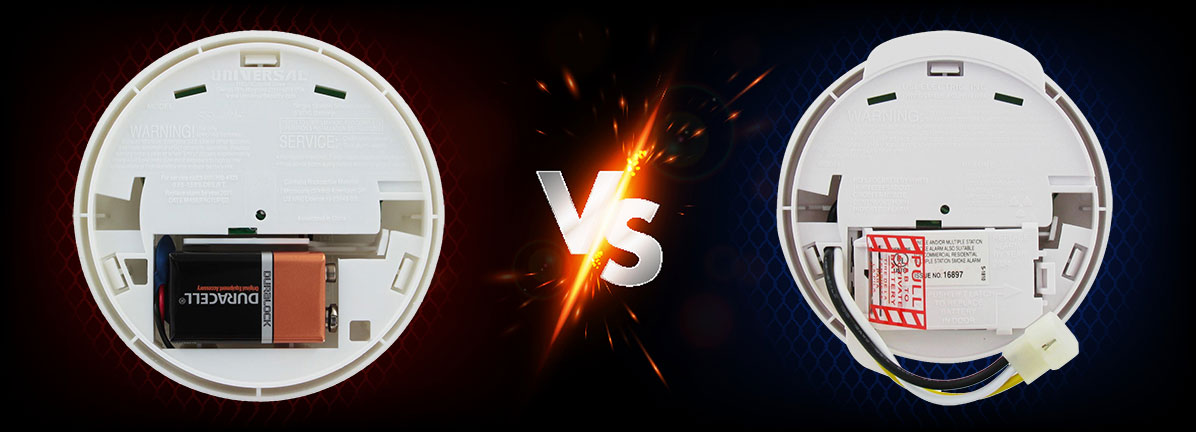
But wait, there's more to their incredible design! They also come with a battery backup, usually a 9-volt.
This backup battery kicks in if your home loses power during an outage. So, even in the dark, they're still on duty.
The true magic of hard-wired detectors often lies in their interconnectivity. This is where they really shine as a team.
When one hard-wired detector senses smoke, it doesn't just sound its own alarm. It triggers every other interconnected detector in your home.
Imagine the power of that early warning system! If smoke starts in the basement, the detector upstairs in your bedroom will also blare.
This comprehensive alert gives everyone precious extra seconds to escape. Those seconds can make all the difference in an emergency.
Installation for these heroes is a bit more involved, though. It typically requires a qualified electrician to wire them into your home's electrical system.
This means a higher upfront cost compared to their battery-operated cousins. However, many see it as a worthy investment in safety.
Hard-wired detectors are also often mandated by building codes for new constructions and major renovations. They are considered the gold standard for home safety.
While you don't need to change their main power source, you still need to check their backup battery. It's usually good for about a year.

They have a lifespan, too, typically around 10 years. After that, they need to be replaced, just like any other electronic device.
The peace of mind that comes with a hard-wired, interconnected system is truly special. It feels like having a highly organized safety network.
"Hard-wired detectors offer ultimate peace of mind with their constant power and powerful interconnected alerts!"
They are always ready, always powered, and always working together. This makes them a strong contender for your home's primary defense.
They stand as silent, steadfast sentinels, watching over your home without fail. Their consistent vigilance is incredibly reassuring for any homeowner.
Making Your Choice: Which Guardian Is For You?
So, how do you decide between these two incredible types of smoke detectors? It's like choosing between two equally important superheroes, each with unique strengths.
Consider your home's setup first. Do you have existing wiring for smoke detectors, or is it an older home without them?
Your budget also plays a role. Are you looking for a lower upfront cost, or are you ready to invest more for long-term peace of mind?
Think about convenience. Are you diligent about changing batteries, or would you prefer a system that requires less frequent power maintenance?
The biggest factor for many is the interconnection feature. Do you want every alarm to sound if one detects smoke, or are standalone units sufficient?
Local building codes are also crucial to check. They might dictate the type and number of detectors required in your area.
Many homes actually use a smart combination of both. Hard-wired detectors provide core protection, especially in sleeping areas and main living spaces.
Then, battery-powered units can fill in gaps in areas without wiring. Think attics, detached garages, or even walk-in closets.
The goal is to ensure comprehensive coverage throughout your entire home. No spot should be left unprotected from the threat of fire.
Whichever type you choose, remember the golden rule: test your smoke detectors monthly! A simple push of a button can confirm they are ready to protect you.
Replace batteries in battery-powered units annually, or when they start chirping. For hard-wired units, replace their backup batteries at least once a year.
All smoke detectors, regardless of type, have a lifespan of about 10 years. Check the manufacturing date on the back of your units and replace them when due.
Don't wait until it's too late to think about your smoke detectors. Take a moment today to check them out.
They are truly your home's unsung heroes, providing vital protection for everything you hold dear. Make sure they're in top-notch fighting shape!