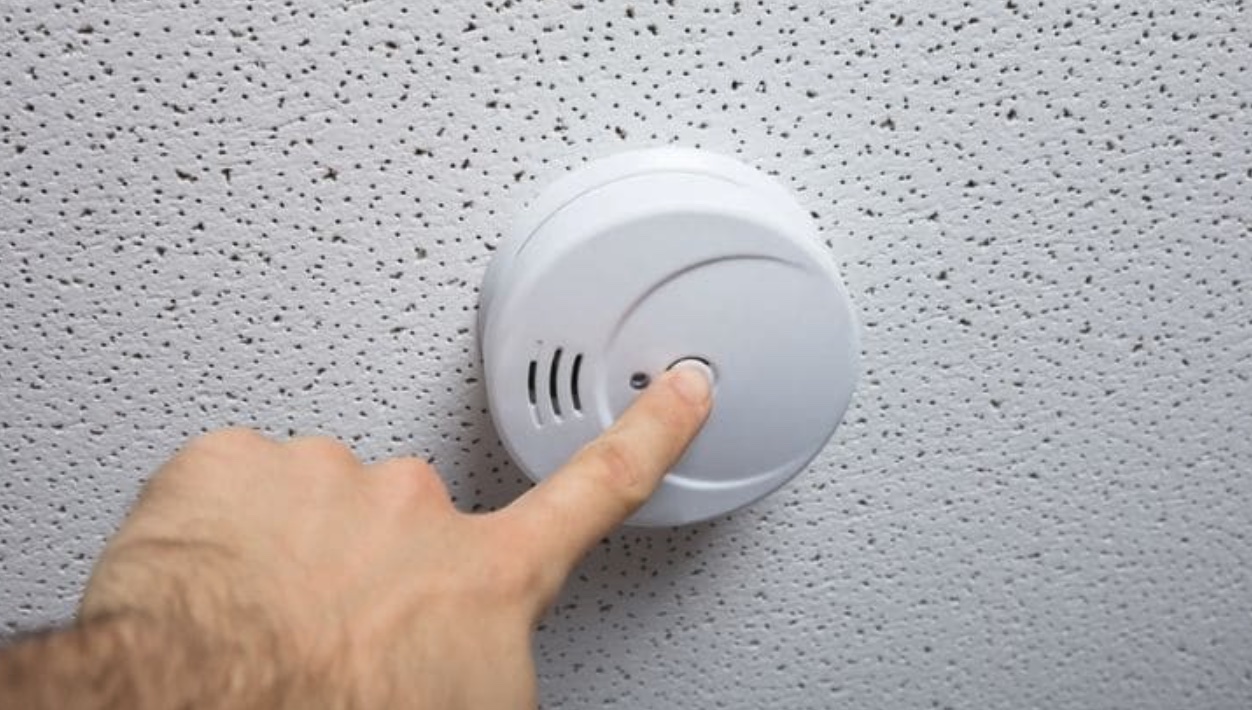
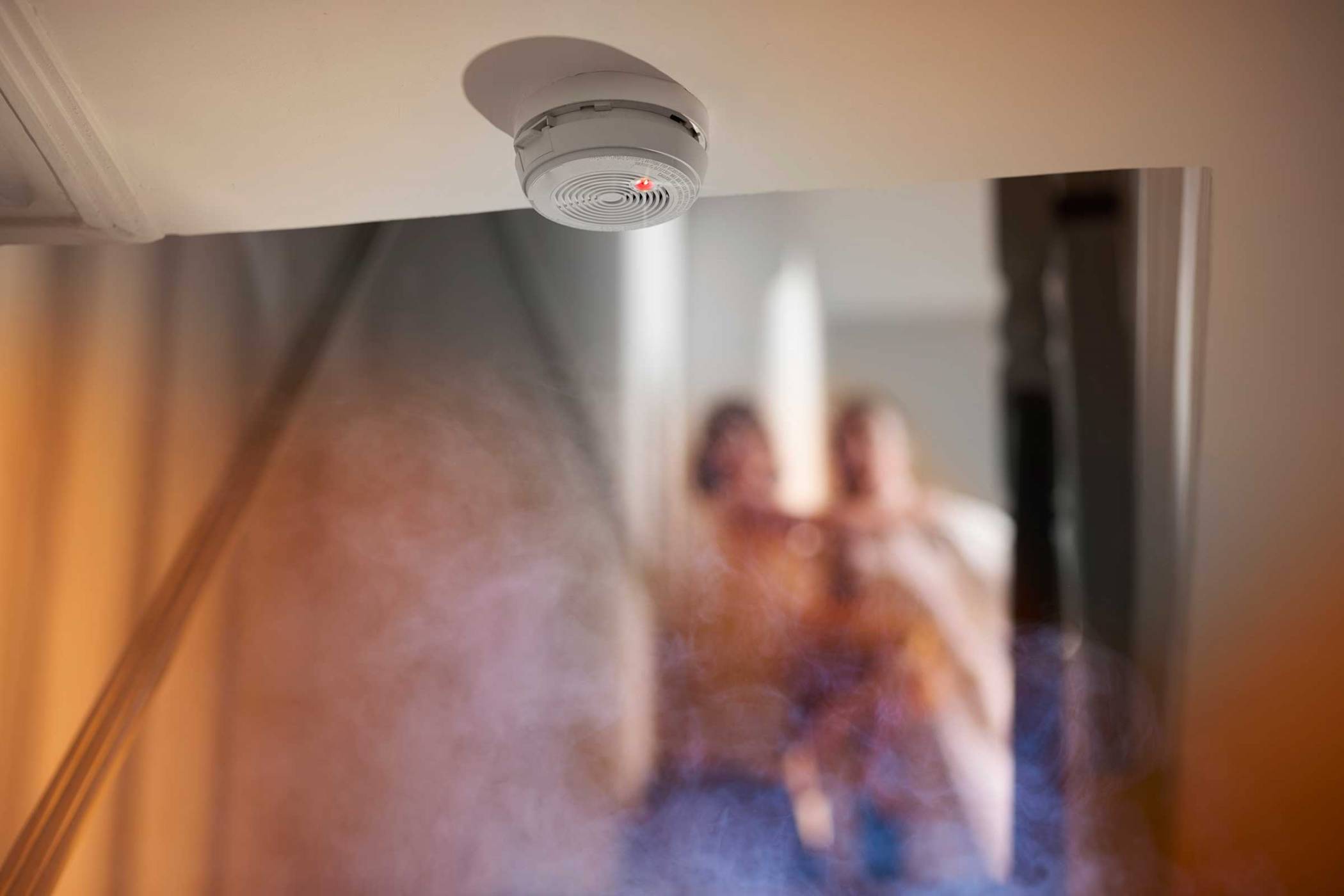
Smoke Detectors Going Off With No Smoke
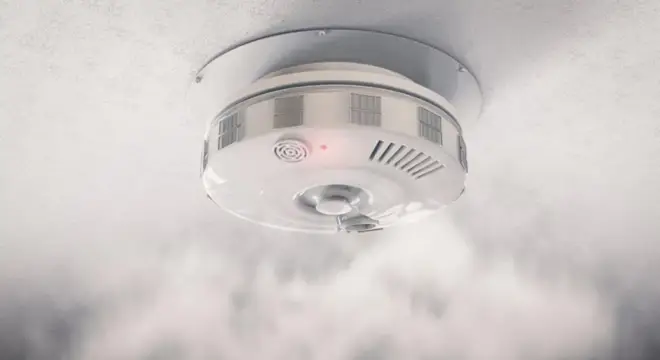
Ah, the sweet sound of... an unexpected, ear-splitting shriek from your smoke detector. You jump, heart racing, only to realize there’s no smoke, no fire, just pure, unadulterated auditory chaos. We’ve all been there, standing bewildered, wondering if our perfectly innocent toaster or a particularly steamy shower just declared an emergency. It's a modern-day mystery, often solved with a frantic wave of a tea towel or a desperate jab at the 'silence' button. But why do these life-saving devices decide to throw a party for no reason?
The Usual Suspects: Why Your Detector Cries Wolf
Think of your smoke detector as an overly sensitive roommate. It’s trying its best to keep you safe, but sometimes it gets a little carried away. Here are the common culprits behind those phantom alarms:
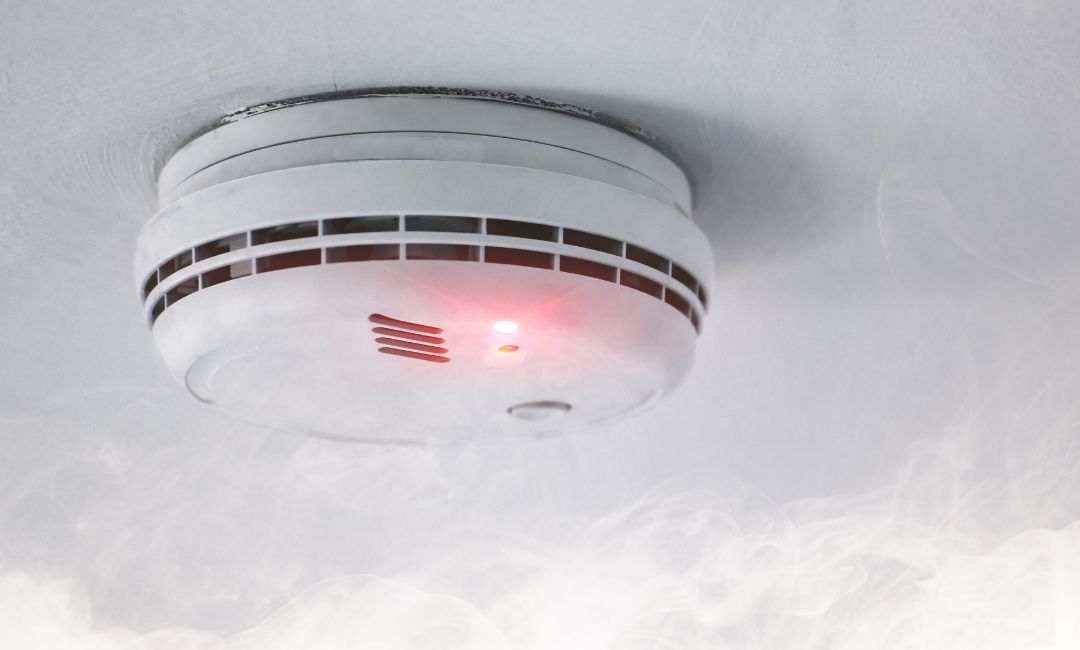
Dust Bunnies & Cobwebs: Just like that forgotten corner under your bed, the inside of your smoke detector can become a haven for dust and tiny spiderwebs. These particles can interrupt the sensor's beam (in photoelectric detectors) or trigger the ionization chamber (in ionization detectors), making it believe there's smoke. It's basically a microscopic rave for debris that results in a macro-sized headache for you.
Must Read
Steam & Humidity: Ever noticed your alarm going off after a glorious, hot shower or a particularly enthusiastic pot of pasta? That’s steam for you! High levels of moisture in the air can mimic smoke particles, especially with ionization detectors, which are super sensitive to tiny particles. Your bathroom or kitchen, especially if detectors are placed too close, are prime locations for these steamy surprises.
Culinary Adventures Gone Wild (or Not So Wild): Burnt toast is the cliché, but even high-heat cooking like searing a steak, stir-frying, or baking something with a lot of fat can create small, invisible particles that detectors mistake for smoke. Even if you don't see visible smoke, your detector might be detecting these tiny aerosolized cooking oils or gases. Investing in a good exhaust fan is not just for keeping your kitchen smelling fresh, it’s also a peace offering to your smoke detector!
Pesky Pests: Sometimes, the culprit isn't a particle but a tiny, eight-legged (or six-legged) intruder. A small bug crawling into the sensor chamber can trigger an alarm. It's like a tiny alien invasion inside your safety device, leading to a full-blown alert.
Aging Out: Believe it or not, smoke detectors have a shelf life. Most are good for about 7-10 years. Over time, their components can degrade, leading to increased sensitivity or false alarms. It’s their subtle way of saying, "I'm tired, boss. Time for retirement!"

Silence the Siren: Practical Tips & Tricks
So, what’s a modern homeowner to do when their peace is shattered by an unwarranted alarm? Fear not, we've got some smart strategies:
- Clean Them Regularly: Make it part of your spring cleaning routine. Gently vacuum the vents of your detectors with a soft brush attachment. You'd be surprised how much dust they collect.
- Mind the Location: If possible, avoid placing detectors directly next to bathrooms or above the stove. General guidelines suggest at least 10 feet from cooking appliances and away from steamy areas. For kitchens, consider a heat detector instead of a smoke detector, which only responds to temperature changes, minimizing false alarms from cooking fumes.
- Ventilate, Ventilate, Ventilate: When cooking, especially at high heat, always use your exhaust fan. Open a window if you can. This helps clear the air of those tiny particles before they can trigger an alarm.
- Know Your Detector Type: There are two main types: Ionization (better for detecting fast-flaming fires) and Photoelectric (better for detecting slow, smoldering fires and less prone to false alarms from cooking). Many homes now use dual-sensor detectors for comprehensive coverage. If cooking is your main issue, a photoelectric or dual-sensor might be a better fit for kitchen-adjacent areas.
- Replace Batteries & Detectors: Change your batteries at least once a year (a good reminder is when you change your clocks for daylight saving). And remember that 7-10 year lifespan? Check the manufacturing date on the back of your detector and replace units that are past their prime.
Fun Fact: The first patent for an automatic fire alarm was granted in 1890 to Francis Robbins Upton, an associate of Thomas Edison!
A Small Price for Big Peace of Mind
While a false alarm can be startling and, let's be honest, pretty annoying, it’s a small inconvenience for the incredible protection these devices offer. Every shriek, even an unwarranted one, is a reminder that your vigilant little guardian is working, ever ready to alert you to genuine danger. So next time it goes off without a clear reason, take a deep breath, troubleshoot with these tips, and appreciate that it's just doing its job – perhaps a little too enthusiastically at times. After all, a little overzealousness is a small price to pay for safety, keeping your home a haven, not a hazard.