
Smoke And Carbon Monoxide Detector Alarm
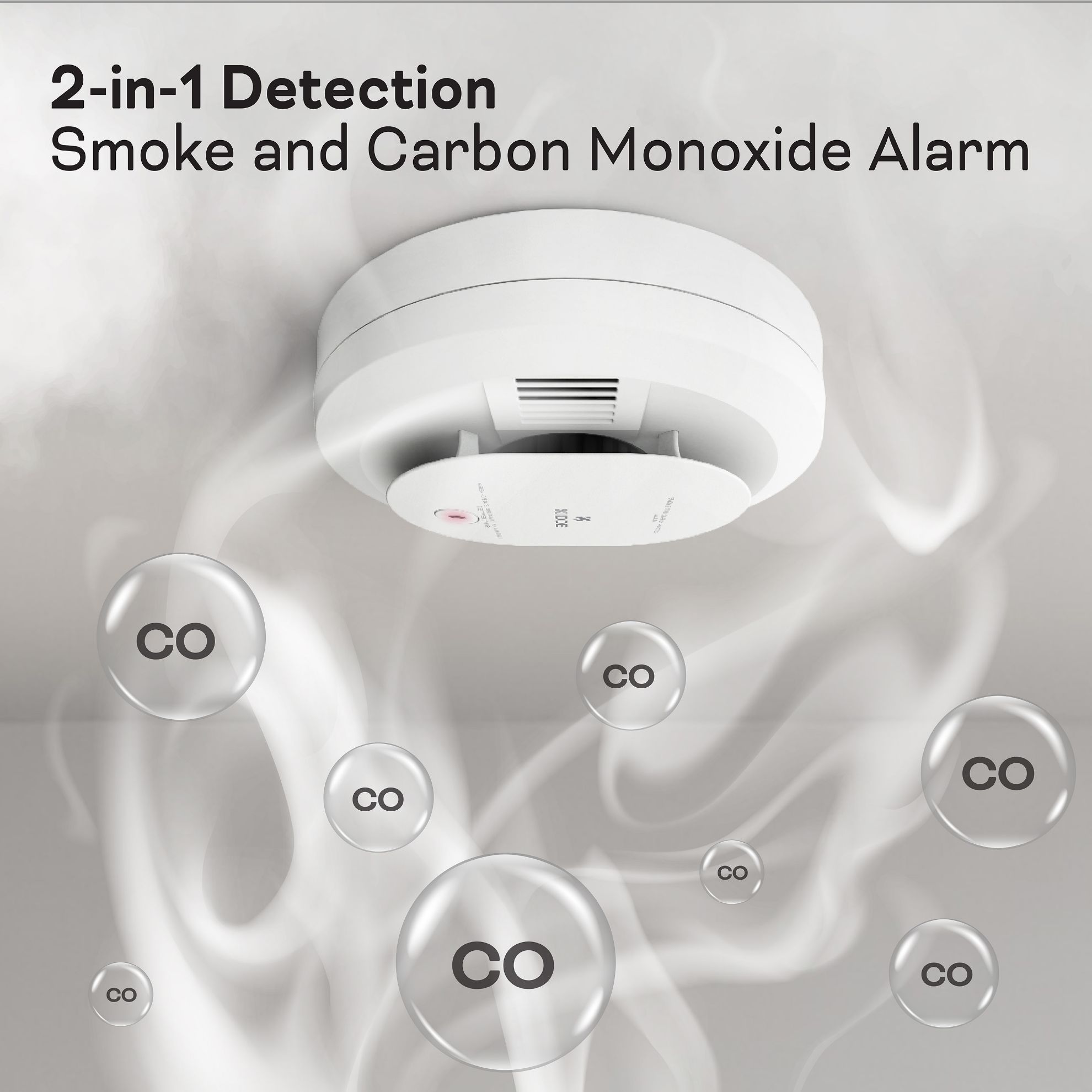
Hey there, friend! Let's chat about something super important for keeping your cozy home, well, cozy and safe. I know, I know, "safety equipment" sounds about as fun as watching paint dry, but trust me, we're going to make this interesting. We're talking about those little circular heroes often stuck on your ceiling or wall: your smoke and carbon monoxide detectors!
Think of them as your home's personal guardian angels, but instead of wings and harps, they come equipped with sensors and a really, really loud voice. They're here to whisper (or more accurately, scream) a warning when things go a bit sideways. And trust me, you want that scream when it counts!
Why We Even Need These Noisy Neighbors
Okay, so why are these things so crucial? Let's break it down into two main baddies they protect you from: smoke and carbon monoxide (CO).
Must Read
Smoke is the obvious one, right? If there's a fire, smoke is usually the first sign. It can be sneaky, especially if a fire starts when you're asleep. Your smoke detector is like a bloodhound for danger, sniffing out even the tiniest wisp of smoke and letting out a piercing alarm to give you precious time to get out.
Then there's the truly devious villain: carbon monoxide. This gas is a real trickster because it's invisible, odorless, and tasteless. You literally won't know it's there until it starts messing with your body. It's produced when fuels (like gas, oil, wood, or propane) don't burn completely, which can happen with faulty furnaces, water heaters, stoves, or even your car running in a closed garage. CO is like a silent ninja, creeping into your home and slowly making you sick. Not cool, CO, not cool at all!
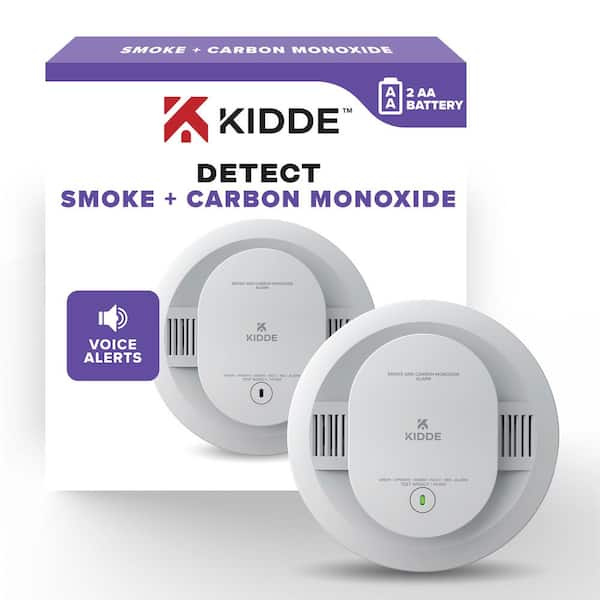
Meet the Dynamic Duo: Smoke & CO Alarms
So, to combat these threats, we have our two main types of detectors:
1. The Smoke Detector: Your Fire Spotter Extraordinaire!
These are the OG home safety devices. They're designed to detect smoke and give you an early warning if a fire starts. You should have one on every level of your home, including the basement, and inside or near every sleeping area. More is always better when it comes to early warnings!

2. The Carbon Monoxide Detector: The Invisible Threat Interceptor!
These guys are specifically tuned to sniff out CO gas. Because CO is such a stealthy menace, having these is absolutely non-negotiable, especially if you have fuel-burning appliances or an attached garage. Place them near sleeping areas and on every level of your home. They're like your personal invisible gas-mask-alert system!
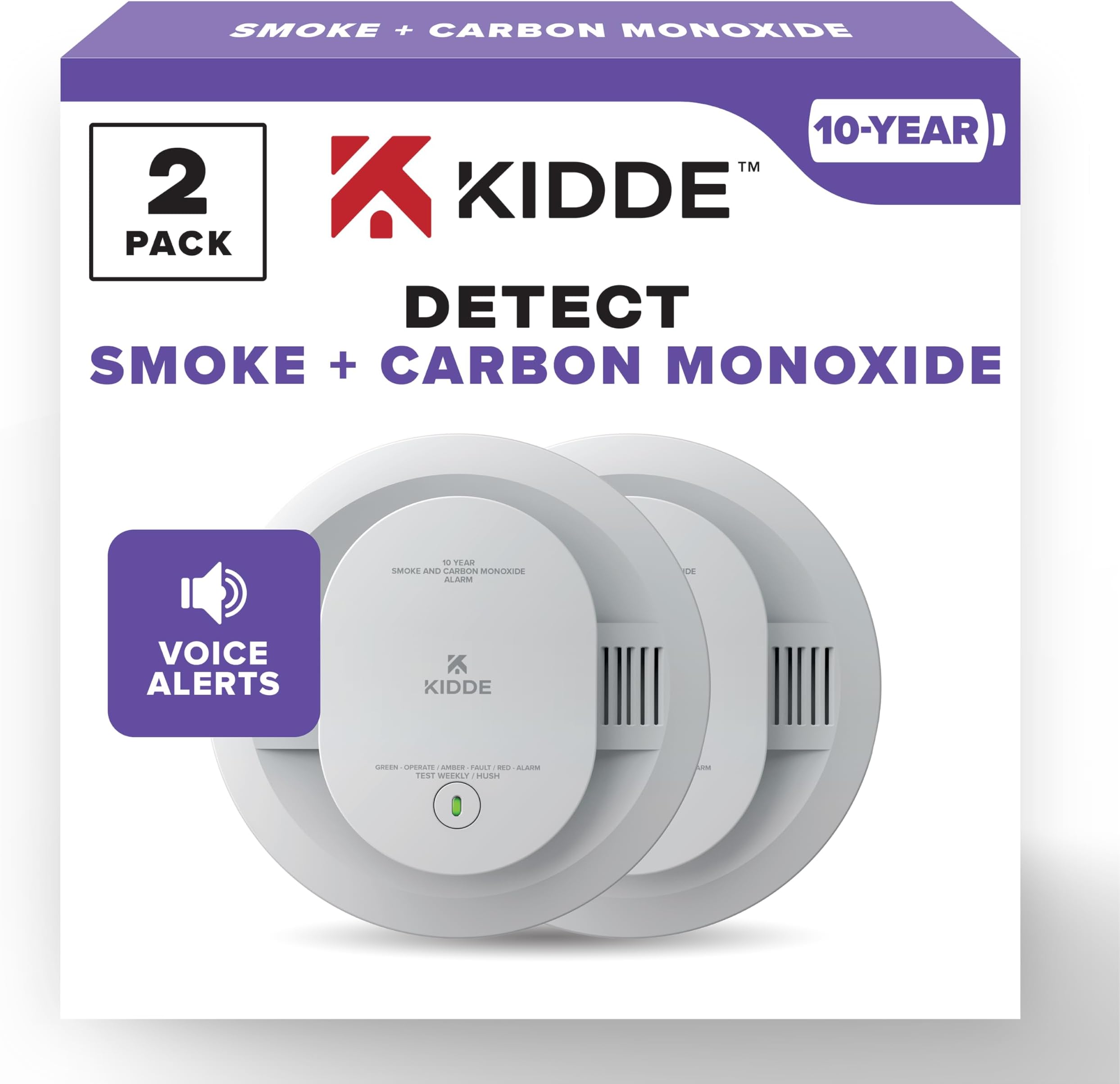
Many modern homes, or smart homeowners (like you!), opt for combination smoke and CO detectors. It's like getting two superheroes for the price of one gadget! They're super convenient and make sure both bases are covered.

Keeping Your Guardians in Tip-Top Shape
Even superheroes need their check-ups! Here's how to keep your detectors ready for action:
- Test Them Monthly: Seriously, this takes like two seconds. Just press the "test" button on each unit. It'll let out a chirp or a full blast, letting you know the alarm and batteries are working. Think of it as giving them a high-five to make sure they're awake!
- Change Batteries Annually: Most detectors use replaceable batteries, and it's a super good idea to change them once a year. A common trick is to do it when you change your clocks for Daylight Saving Time. Don't wait for that annoying 3 AM chirping – that's their way of passive-aggressively telling you they're running on fumes!
- Replace the Entire Unit: Yes, these gadgets have a shelf life too! Smoke detectors generally need replacing every 10 years, and CO detectors often every 5-7 years (always check the manufacturer's recommendations on the back!). They don't last forever, and their sensors can degrade over time. It's like upgrading your phone, but for safety!
When They Scream: What to Do!
If your alarm ever goes off, take it seriously! Don't assume it's a false alarm, even if you don't see or smell anything. Your detectors are designed to be sensitive for a reason.
- For a Smoke Alarm: Get everyone out of the house immediately and call 911 from a safe location outside. Don't go back in for anything!
- For a Carbon Monoxide Alarm: Get everyone (including pets) into fresh air immediately. Open windows and doors on your way out if possible. Then, call 911 or your fire department. They have special equipment to detect CO and determine the source.
It’s always better to be safe than sorry. Your little plastic guardians are much smarter than we are when it comes to sniffing out danger!
So there you have it! Those humble little discs on your ceiling are actually powerful, life-saving devices. Keeping them in good working order is one of the easiest, most affordable ways to protect the people and things you love most. It allows you to sleep soundly, knowing your home is guarded by vigilant, albeit sometimes loud, sentinels.
Stay safe, my friend, and enjoy that amazing peace of mind!