Smoke Alarm Still Chirping With New Battery
Ah, the dreaded smoke alarm chirp. That intermittent, high-pitched peep that pierces the quiet of your home, usually in the dead of night. It’s a sound many of us know all too well, and often, our first instinct is to grab a new battery, pop it in, and sigh with relief. But what happens when you’ve done the sensible thing, installed that shiny new battery, and the obnoxious chirping continues? Frustrating, right? You're not alone! This common conundrum is surprisingly frequent, making it a very useful and popular topic for anyone who values a good night's sleep and, more importantly, a safe home.
Before we dive into the mystery, let's remember why these little noise-makers are so crucial. Smoke alarms are vital life-saving devices. They provide early warning of fire, giving you and your loved ones precious minutes to escape. Keeping them operational isn't just a recommendation; it's a non-negotiable part of home safety. That chirp, annoying as it is, is actually a small hero trying to tell you something important – even if it's just that it needs a little TLC beyond a simple battery swap.
So, you’ve put in a fresh battery, but the chirp persists. What gives? There are several sneaky culprits that can cause this persistence, often overlooked in the heat of the moment (or the grogginess of 3 AM). It’s not always as straightforward as "battery dead, replace battery, problem solved." Sometimes, the alarm needs a proper reset, or it's signalling a different issue entirely. Understanding these common reasons will save you headaches, frustration, and possibly even a trip to the store for a brand new, unnecessary alarm.
Must Read
Let’s troubleshoot! Here are the most common reasons your smoke alarm might still be chirping after a battery change, and how to silence that persistent peep:
- Is the Battery Seated Correctly? This might sound obvious, but in the dark or a rush, it’s easy for the battery not to make full contact. Double-check that it’s snug and secure in its compartment.
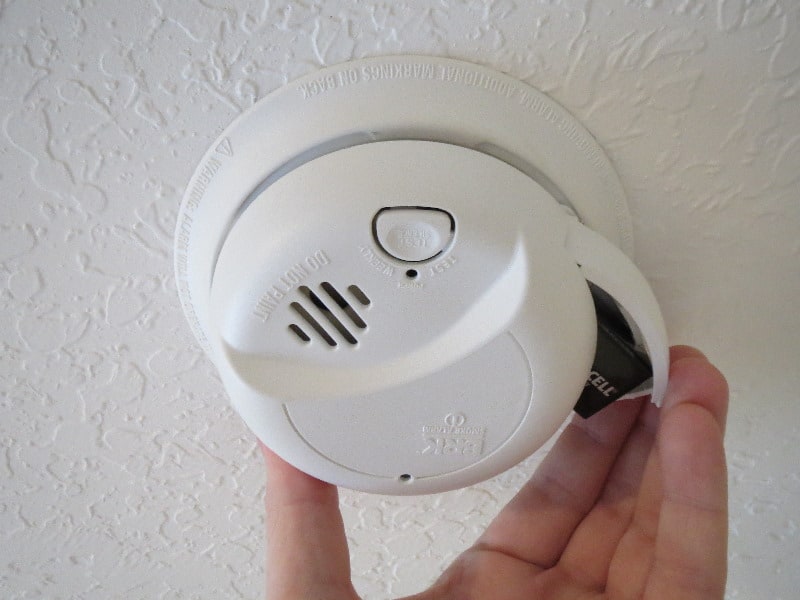
- The All-Important Reset: Many smoke alarms need a "brain reset" after a battery change to clear the low-battery warning. To do this, after inserting the new battery, press and hold the test button for 15-20 seconds. You might hear a loud alarm, then it should go quiet. If your alarm has a power cable, you might need to temporarily disconnect it from the ceiling, remove the battery, press the test button for 15-20 seconds, then reassemble everything.
- Dust Bunnies Beware: Smoke alarms are sensitive. Dust, cobwebs, or even small insects can accumulate inside, triggering false alarms or persistent chirps. Gently vacuum around the vents or use a can of compressed air to clean out any debris.
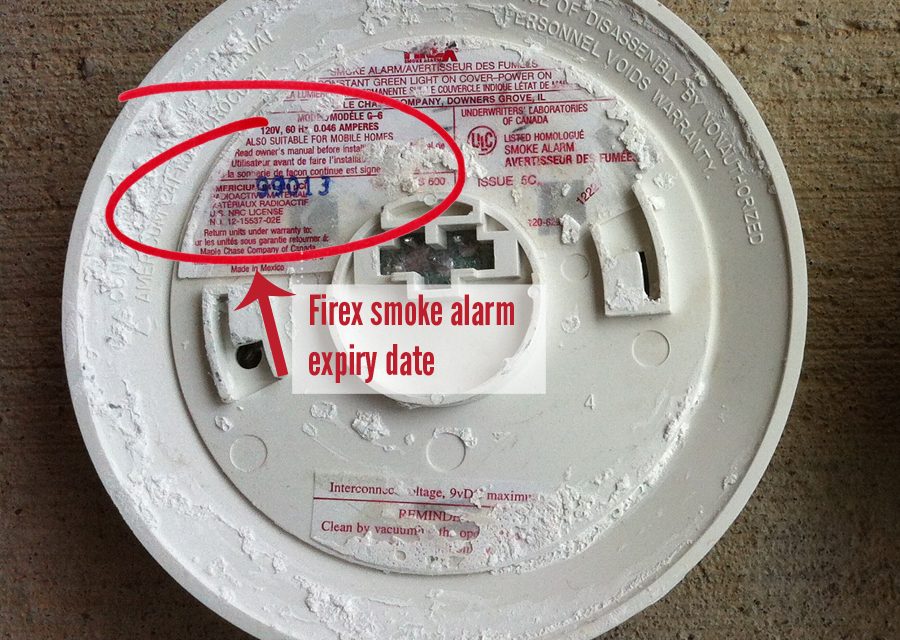
- It's Expired! Smoke alarms don't last forever. They have a lifespan, typically 10 years from the date of manufacture (not installation). Check the back of your alarm for a "replace by" date. If it’s passed, that chirp is its way of saying, "My watch is over, time for a new guardian!"
- Interconnected Alarms: If you have multiple smoke alarms wired together, one alarm with a low battery (or a fault) can sometimes cause all interconnected alarms to chirp, even if their batteries are fine. You might need to identify the specific alarm that's the true culprit.
Don’t let that tiny chirp turn into a mighty headache. By systematically checking these common issues, you'll likely quiet your chirping smoke alarm and restore peace to your home. Remember, a silent alarm is a working alarm (unless it's expired!), so keep those detectors in tip-top shape. Your safety, and your sanity, depend on it!