Smoke Alarm Still Beeping Without Battery

Ah, the smoke alarm! That trusty sentinel standing guard over our homes. It’s usually a silent hero, but then comes that chirp. Not the full-blown, ear-splitting alarm, but that infuriating, insistent beep. You know the one. The "low battery" warning. So, you dutifully grab a ladder, pop out the old battery, maybe even put in a new one, but wait... the beeping continues. You stare at it, perplexed. "I took the battery out!" you exclaim to an empty room. Sound familiar? You’re not alone! This common household head-scratcher is surprisingly popular, and solving it is not only useful for your sanity but also crucial for your safety.
It feels like a scene straight out of a horror movie – the ghost of a beep haunting your quiet home. But fear not, there’s a perfectly logical, and quite solvable, reason behind this electronic poltergeist. Understanding why your smoke alarm is still chirping without a battery isn't just about achieving blissful silence; it’s about ensuring your fire detection system is functioning optimally, keeping you and your loved ones safe. Plus, let's be honest, figuring out these little household mysteries just feels good!
So, what’s the big secret? Most often, it comes down to a component called a capacitor. Think of a capacitor like a tiny, temporary battery. When your smoke alarm is connected to power (either by a battery or hardwiring), this capacitor stores a small residual charge. Even after you pull the main battery, that little bit of stored energy might be just enough to power one or two more "low battery" chirps, a final gasp before it truly powers down. It’s like when your phone says 0% battery but you can still quickly turn it on for one last urgent text.
Must Read
Beyond the sneaky capacitor, there are a few other culprits. If your alarm is hardwired (connected directly to your home's electrical system), simply removing its backup battery isn't enough to silence it. It's still drawing power from your house! Some advanced alarms even have non-removable, long-life lithium-ion batteries designed to last 10 years, which will chirp when they reach their end-of-life, battery or not. Dust and debris can also trick the sensor into thinking there's a problem, leading to false alerts. And don't forget the most obvious one: perhaps it's not that alarm, but another interconnected unit in a different part of your home!
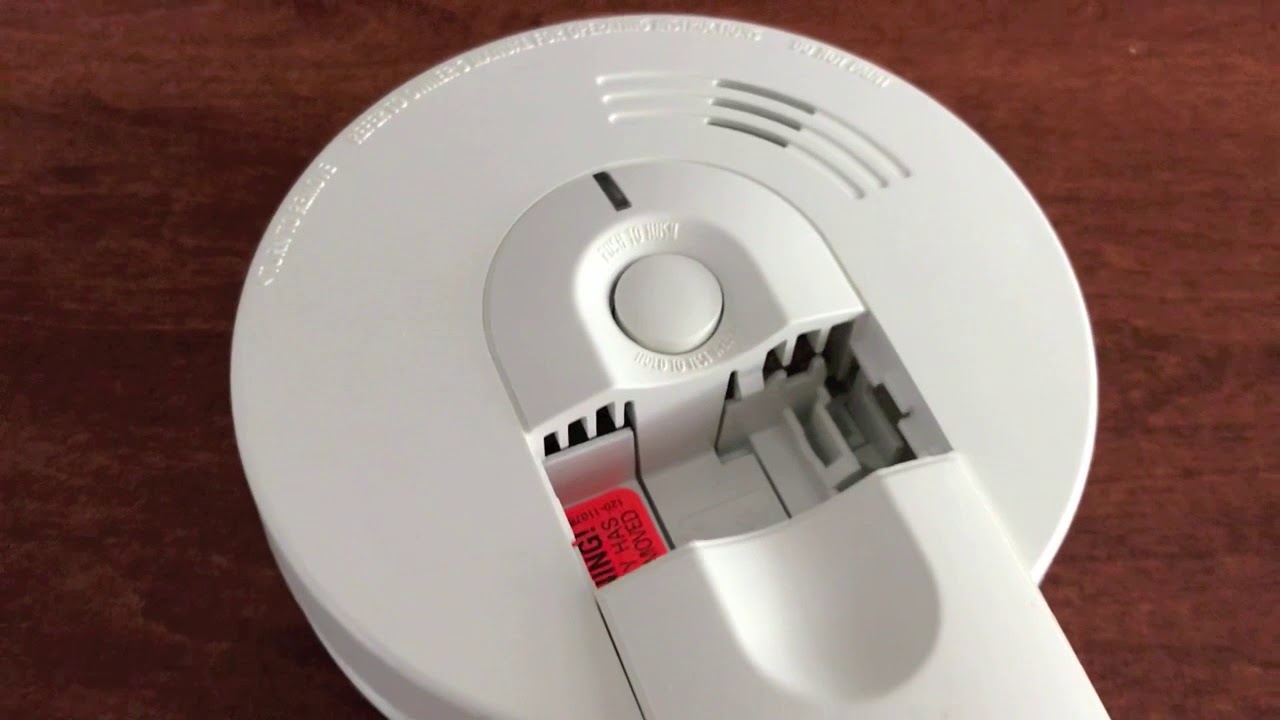
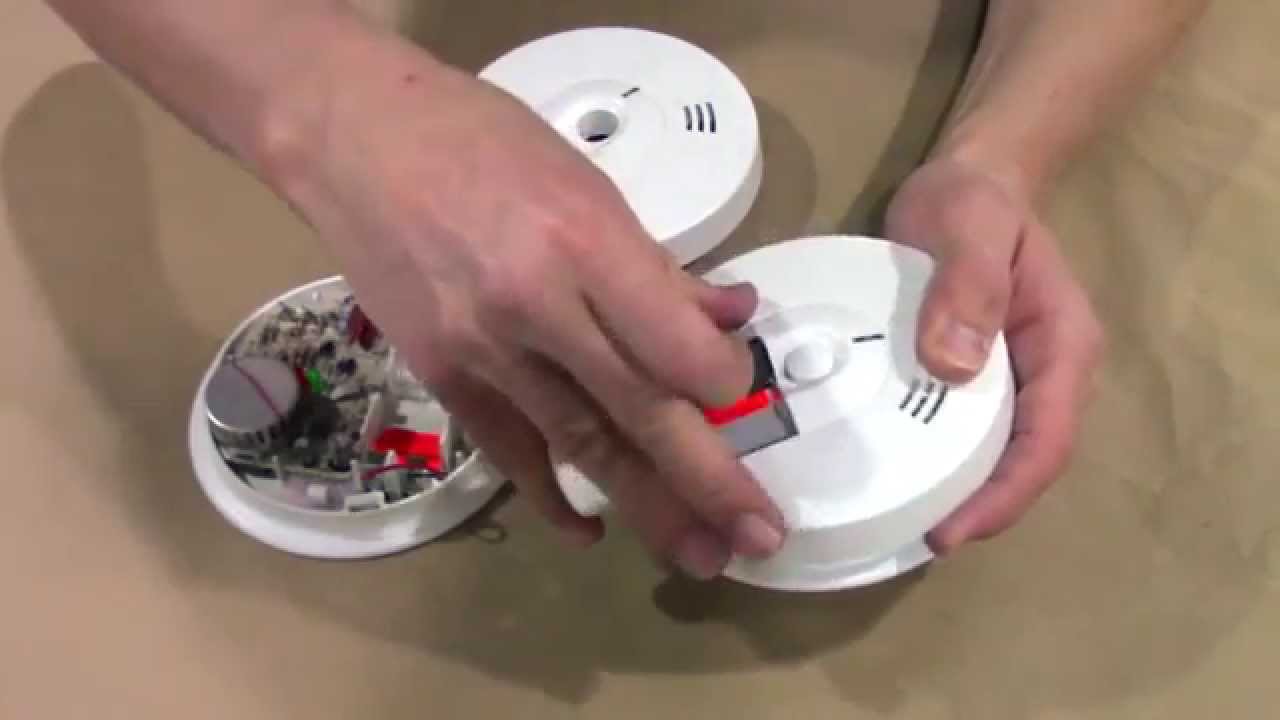
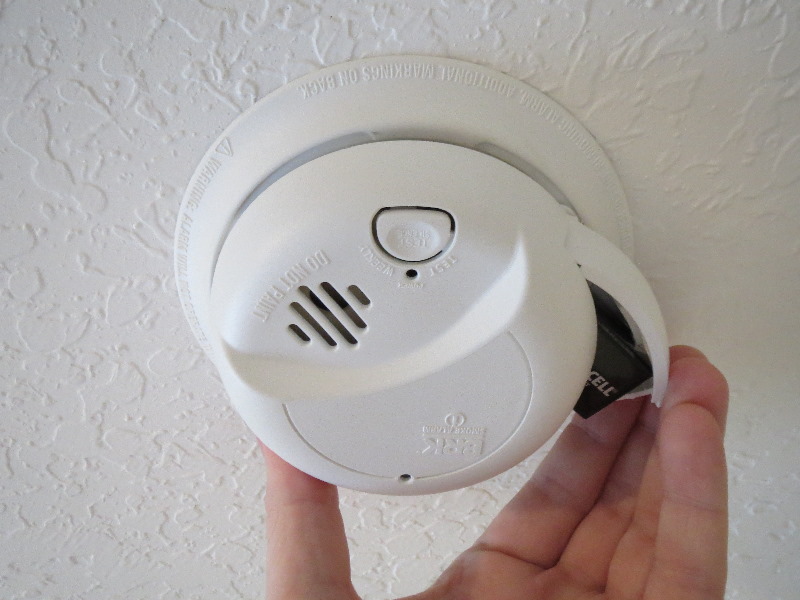
Now for the good part: the solutions! For the capacitor issue, the easiest fix is a manual reset. After removing the battery, press and hold the test button for 15-20 seconds. This drains any remaining charge from the capacitor. For hardwired alarms, you’ll need to switch off the corresponding circuit breaker for a few minutes, then restore power. A good vacuuming around the alarm's vents can clear dust-related issues. Always check the manufacturing date on the back of your alarm; most have a lifespan of 7-10 years, and an end-of-life chirp means it's time for a replacement. By understanding these simple fixes, you save yourself the headache, ensure your home’s first line of defense is always ready, and gain the satisfaction of knowing you’ve tamed the rogue beeping!