
Smoke Alarm Saying Fire And Carbon Monoxide

The Great Smoke Alarm Ordeal
Remember when smoke alarms just, well, beeped? It was a simpler time. A high-pitched, ear-splitting shriek meant one thing. Something was probably wrong, maybe even very wrong.
You’d leap out of bed, heart pounding. Your brain would immediately start scanning. Is there smoke? What’s on fire? It was a primal, intuitive reaction.
Then, silently, a new era dawned. Our trusty guardians evolved. They got voices. Now, they don't just beep; they talk to us. And not always at the most convenient moments.
Must Read
The Sudden Announcement: "Fire!"
Imagine this: it's 3 AM. You’re in a deep, peaceful sleep. Suddenly, a clear, calm voice cuts through the darkness. It announces, with absolute authority, "Fire!"
Your eyes snap open. You sit bolt upright. Did someone break in and tell you there’s a fire? Is there a tiny robot butler roaming your house, delivering dire news?
No, it’s just the smoke alarm. It’s decided to become the town crier of your ceiling. It thinks you need an explicit verbal warning.
You stumble out of bed, adrenaline coursing. You're bracing for flames. You're ready to grab the kids, the pets, maybe even that dusty photo album.
Then you see it. The culprit. A slightly over-toasted bagel. Or maybe you just dared to pan-sear some steak. The kitchen looks perfectly fine, save for a wispy cloud of smoke.
The alarm, meanwhile, is still repeating its dramatic pronouncement. "Fire! Fire! Fire!" It's insistent. It’s relentless. It's making you feel a bit foolish.
Didn't the incessant, piercing beep already convey the urgency? Wasn't that enough of a clue? Did we truly need a polite, yet terrifying, confirmation?
It's like a friend shouting, "Look out! There's a bus!" after you've already jumped out of the way. The intention is good, but the timing and delivery are… unique.
The alarm is taking its job very seriously. It believes you require a full verbal briefing. Even if your culinary skills are merely enthusiastic.
It turns every minor kitchen mishap into a dramatic monologue. Your burnt popcorn becomes a headline event. Your smoky frying pan, a five-alarm emergency.

It’s hard to stay calm when a disembodied voice screams about flames. Even when you know it's just the Sunday roast getting a little crispy.
The Mysterious Warning: "Carbon Monoxide!"
And then there's its even more mysterious cousin: the "Carbon Monoxide!" warning. This one sends a different kind of chill down your spine. Fire you can see.
Carbon monoxide? It’s the invisible killer, we’re told. The silent menace. So when your ceiling starts yelling about it, your mind races to much darker places.
Is there a leak? Are we all doomed? The alarm doesn't elaborate. It doesn't say, "Slightly elevated levels of CO detected, probably from that old furnace." No, it just drops the bomb.
"Carbon Monoxide!" You start feeling dizzy, maybe lightheaded. Is it real? Or is it just the power of suggestion? The sheer panic of hearing that specific phrase can be overwhelming.
You frantically open windows. You rush outside. You're performing mental checks of every appliance. All because a disembodied voice in your living room made a declaration.
Again, wasn't a unique beep enough for this too? A different kind of beep, perhaps? One that still sends a shiver but leaves a little room for investigation?
Before full-blown existential dread sets in, couldn't it be simpler? It feels like being told,
"Danger! Invisible threat!"without any further context. It's high drama for a situation that might just be a minor fluctuation.
The alarm acts like a suspenseful movie trailer. It presents the most terrifying possible scenario. Without offering any quick remedies or practical advice beyond the general alarm.
It turns a potentially serious situation into a full-blown existential crisis. All before your morning coffee has even started brewing.

My (Perhaps Unpopular) Opinion
Here's my controversial take: Do we really need the voice? I mean, really? We know what a smoke alarm is for. We understand the severity of the situation it's designed to detect.
The screeching, howling beep was universally understood. It transcended language barriers. It was a clear, unambiguous signal: "Pay attention now, something is up!"
Now, we have these talking alarms that state the obvious. Or, in the case of carbon monoxide, state the terrifyingly vague. It's like having a digital nanny for danger.
It’s a jump scare, every single time. Your heart rate instantly skyrockets. Your brain goes into fight-or-flight mode. And then you realize it's just your oven getting a little too smoky.
The voice adds an extra layer of shock. It's almost too polite for the gravity of the situation it's announcing. A calm, synthesized voice telling you "Fire!" feels strangely unsettling.
I appreciate the technology, truly. It's amazing that these devices can differentiate. But sometimes, less is more. Especially when you're half-asleep and thinking about breakfast.
Picture trying to silence it. You're fumbling with a broomstick, trying to reach the tiny button. All the while, the alarm is still helpfully repeating, "Fire! Fire! Carbon Monoxide!"
It’s like it’s mocking your frantic attempts. It’s asserting its dominance. "I will speak my truth, human, regardless of your culinary mishaps!"
We've trained ourselves for decades to respond to a beep. Our instincts are finely tuned. Adding a verbal cue feels like over-explaining a punchline.
It's the ultimate safety over-engineering. Like a parachute that, upon deployment, screams,
"Warning! You are currently descending! Prepare for landing!"You already know, thanks.
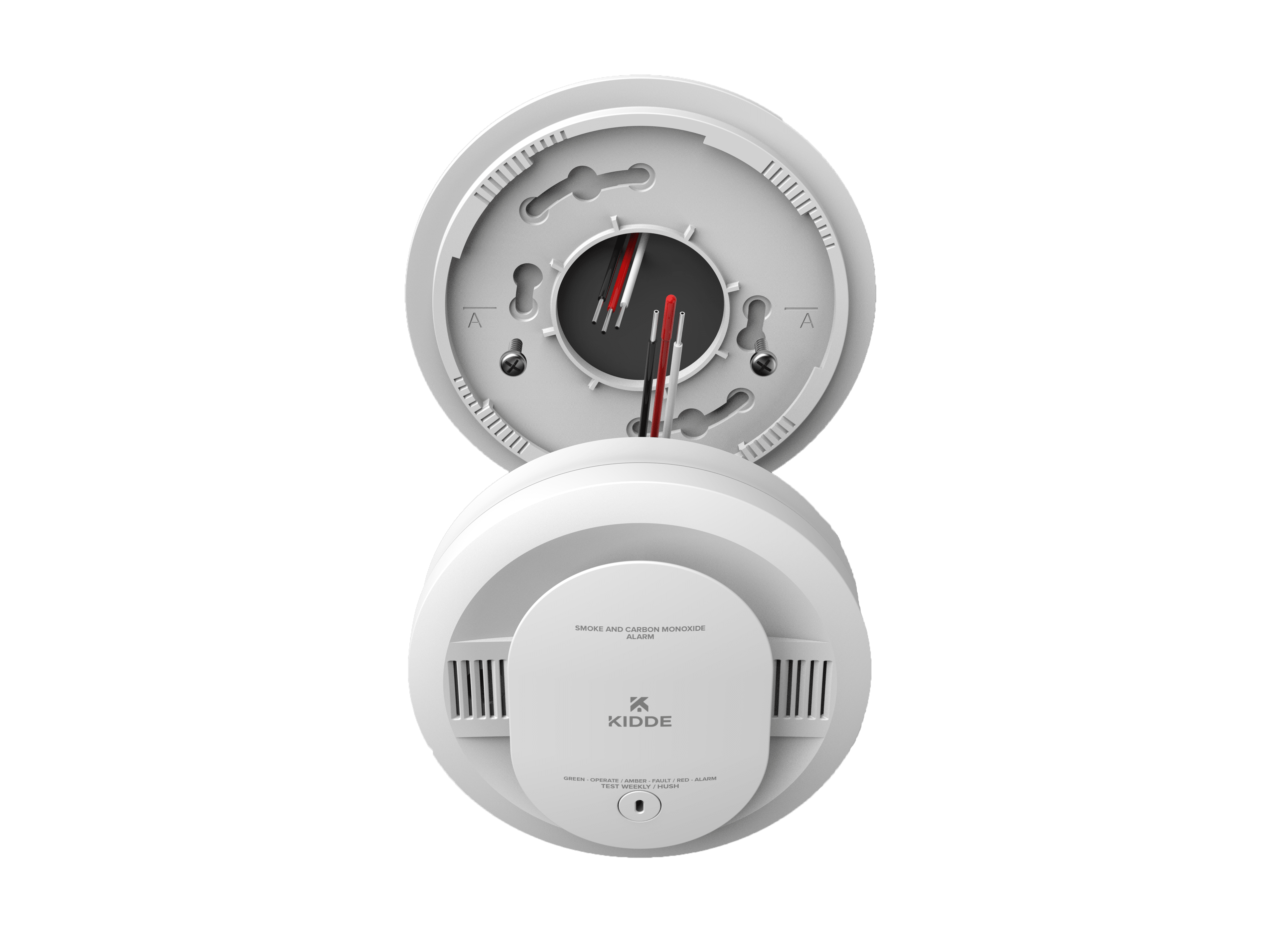
The verbal warning also creates a weird tension. Is it more serious because it's talking? Does the voice mean it's definitely not just burnt toast?
Sometimes, the quiet, persistent chirp of a low battery is enough to annoy us. But at least that's a gentle reminder. Not a full-blown emergency broadcast.
These alarms have personalities now. They're like the overly dramatic friend who gasps, "Oh my goodness, look!" instead of just pointing. We get it, friend. We see it.
The alarm becomes an unwanted narrator of your domestic dramas. It’s not just detecting; it’s announcing. Loudly. Repeatedly. And always with that unsettling calm.
It feels like being judged by your inanimate objects. "Oh, dear. Another cooking blunder, human? Let me inform everyone about it."
My preference remains for the elegant simplicity of a beep. It conveys urgency without the theatrical flair. It leaves room for immediate action, not prolonged explanation.
The Alarms, Our Overzealous Guardians
They mean well, of course. These devices are literally saving lives. And for that, we are eternally grateful. They are our silent sentinels, usually.
But when they pipe up, they turn into our very vocal, very concerned guardians. They are the AI that takes its job very seriously. A little too seriously, perhaps.
Imagine your doorbell ringing and, instead of a chime, a voice declares, "Guest detected! Proceed to entry point!" It would be alarming, wouldn't it? And slightly ridiculous.
The classic beep just was. It existed. It signaled. It didn't try to inform or educate in the moment of crisis. It let your brain fill in the gaps.
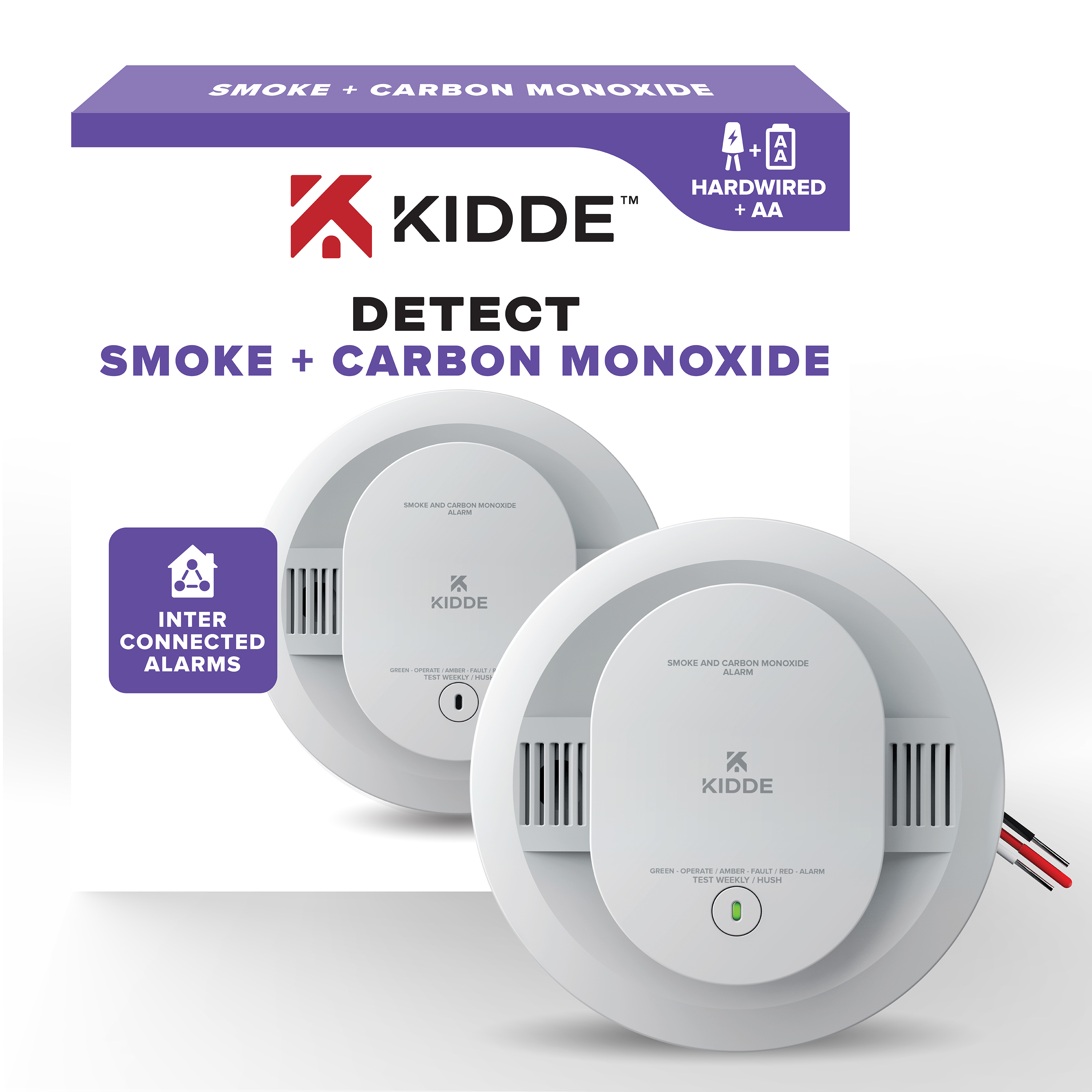
Perhaps it's a generational thing. Younger folks might be totally fine with a talking ceiling. But for some of us, it's just another layer of chaos.
When the house is filling with smoke, or the air is poisoned, our lizard brain is already activated. It doesn't need a Wikipedia entry recited from above.
It needs to act. And a piercing, attention-grabbing sound does that perfectly. It demands action. The words, ironically, can feel like a distraction.
So, the next time your alarm declares "Fire!" because you forgot about the oven pizza, just remember. You're not alone in thinking, "I know! I know!"
Maybe, just maybe, our ceilings don't need to be so chatty. A good old-fashioned beep would still do the trick. It’s loud, it’s clear, and it gets the message across.
It lets us figure out the specifics. It empowers us to assess the situation ourselves. Without a disembodied voice narrating our potential doom.
In a world full of smart devices and helpful AI, sometimes the simplest solution is still the best. Especially when it comes to waking us up in a panic.
Let's bring back the beep. Or at least offer a "beep-only" mode. For those of us who prefer our emergencies to be less conversational and more urgently sonic.
Until then, we’ll continue to jump, assess, and perhaps quietly grumble. All while our talking alarms keep us "informed," whether we want to be or not.
They are our noisy protectors, after all. And maybe, just maybe, they'll learn to whisper next time. Or just stick to the classics.