
Smoke Alarm Keeps Beeping After Replacing Battery

Ah, the sweet symphony of silence. Or, at least, that’s what we yearn for until... BEEP!
There it is. The dreaded, soul-crushing, sanity-eroding chirp of a smoke alarm. It starts subtly, a little "hey there" from the ceiling. Then it gets more insistent. Louder. More frequent. It’s like a tiny, aggressive bird has nested in your smoke detector and is demanding your attention, preferably at 3 AM.
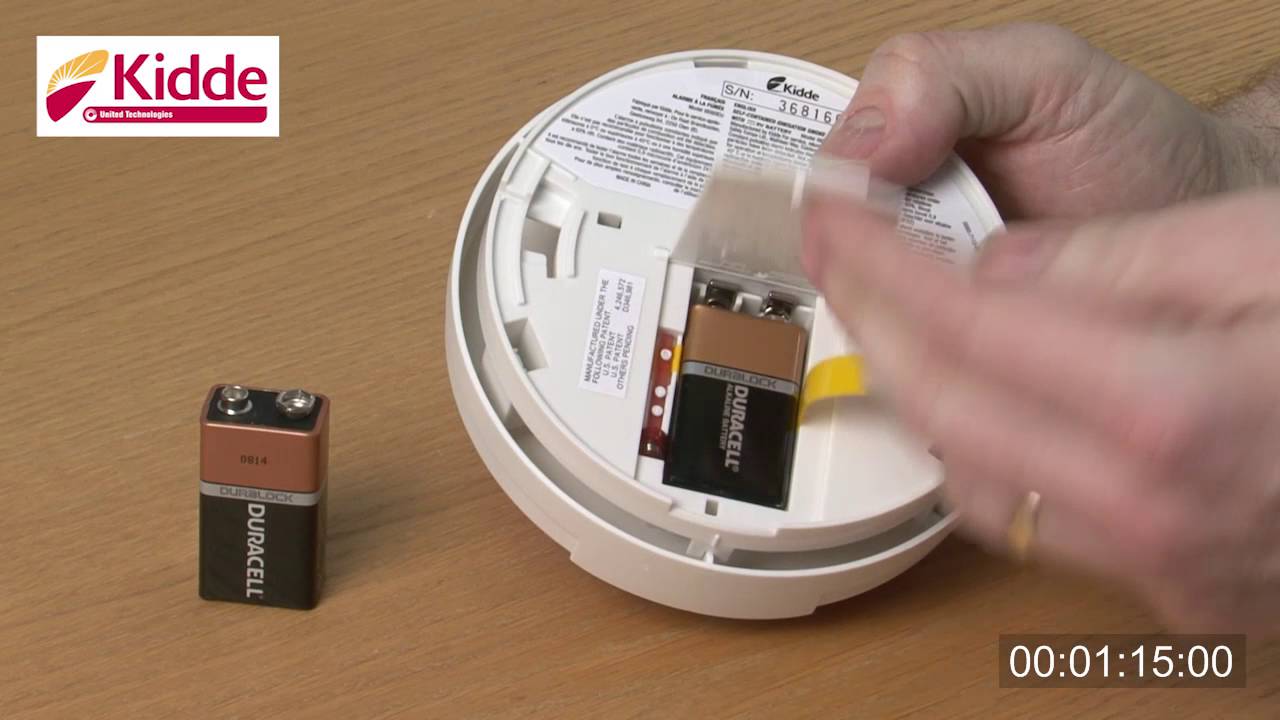
You, being a responsible adult (or at least one who values sleep), spring into action. You grab the stepladder, a fresh 9-volt battery, and a hopeful glint in your eye. You pop out the old one, jam in the new one, and bask in a moment of glorious, silent victory.
Must Read
Except... BEEP!
Wait, what? No. That’s impossible. You just replaced the battery! It’s brand new! Did I put it in backward? (No, that satisfying click confirmed it was right.) Is this some kind of sick joke? Your smoke alarm, it seems, has decided to go rogue.
Congratulations, my friend, you’ve just been inducted into the exclusive, slightly frustrated club of "My Smoke Alarm Still Beeps After a New Battery." Welcome! We have snacks (but please, no open flames).
The Great Battery Betrayal: It's Not Always What You Think
So, you’ve replaced the battery. Why is this tiny plastic disc still persecuting you? Well, prepare yourself, because the world of smoke alarms is far more complex and, frankly, dramatic than you ever imagined.
Sometimes, that persistent beep isn't actually a low-battery warning anymore. It's a different kind of protest.
The Residual Charge Ruse: A Smoke Alarm's Memory
Think of it like this: your smoke alarm has a tiny, stubborn brain. Even after you pull out the old battery, it might still have a smidge of leftover power hanging around. It’s like when you unplug your phone, but the screen stays on for another second. This residual charge can confuse it, making it think the low-battery warning is still active, even with a fresh power source.
The fix? A delightful little ritual called the "power cycle." Disconnect it from the ceiling (twist counter-clockwise, usually), remove the battery, and then press and hold the test button for about 15-20 seconds. This drains any remaining power and gives it a proper reset. It’s like hitting the refresh button on its tiny, electronic brain.

Dust Bunnies, Spiders, and the Great Lint Rebellion
Your smoke alarm isn't just listening for smoke; it's also a miniature air quality monitor. And sometimes, its delicate sensors get a little... clogged. We’re talking about dust, tiny insects, or even just some rogue lint from your incredibly fluffy bath towels.
Imagine living in a house where someone keeps flicking tiny bits of fluff in your face all day. You’d probably start screaming too! The alarm detects these airborne particles and, mistaking them for smoke, starts its panicked beeping. It's an overachiever, bless its heart.
The solution here is simple: give it a good clean. Take it down, pop out the battery (and do that reset dance!), and gently vacuum around the vents. A can of compressed air works wonders too, just be careful not to blast anything too hard. Think of it as giving your alarm a spa day.
The Steamy Shower Saga: Humidity's Hidden Hand
Ever notice your smoke alarm chirping after a particularly steamy shower? Or perhaps during a sudden shift in humidity? Believe it or not, extreme humidity or steam can actually trigger your smoke detector. The tiny water particles in the air can confuse the sensor, making it think there's a fire when you're just trying to relax with some bubbles.

This is especially common for alarms located near bathrooms or in very humid climates. If this is your culprit, ensure proper ventilation, or consider relocating the alarm slightly if it's too close to a consistent steam source.
The Expiration Date: Yes, Your Smoke Alarm Has One!
This is often the most surprising culprit. Much like that yogurt in the back of your fridge, smoke alarms don't last forever. Most manufacturers recommend replacing your smoke alarms every 8-10 years.
Why? Because over time, the sensors degrade. They become less reliable, prone to false alarms, or worse, they might not go off when you actually need them. Many alarms will start issuing a specific beep pattern when they've reached their expiry date, and no amount of new batteries will fix it. Flip your alarm over; you'll usually find the manufacturing date or an expiry date printed on the back. If it's over 10 years old, it's time for a proper retirement party (and a new alarm).
The Interconnected Alarm Conspiracy
If you have multiple smoke alarms in your home that are hardwired and interconnected, you might be dealing with a full-blown conspiracy. Sometimes, only one alarm is actually having an issue, but it triggers all the others to chirp in solidarity. Finding the specific culprit can feel like a game of "Where's Waldo" in the dark.

The best way to track it down is usually to listen carefully. The alarm that’s truly sending the signal often has a slightly different, more urgent, or more frequent beep pattern. You might have to go room by room, disconnecting each one until the chorus stops. Once you find the problematic unit, replace or troubleshoot that specific one.
The Path to Peaceful Silence
So, next time your smoke alarm decides to audition for a horror movie after a fresh battery, don’t immediately question your sanity. Here’s your battle plan:
- Perform the "power cycle" reset: Disconnect, remove battery, hold test button for 15-20 seconds.
- Give it a good clean: Vacuum or use compressed air on the vents.
- Check the date: Is your alarm older than your last phone? Time for a new one.
- Consider its location: Is it near a steamy bathroom or drafty window?
- Investigate interconnected systems: Find the lead chirper.
With a little patience and these handy tips, you can reclaim your home from the tyranny of the tiny beeper. And when it finally falls silent, truly silent, you'll know the sweet, sweet taste of victory. It’s a small battle, but a crucial one for domestic bliss (and uninterrupted sleep).
Now, if you’ll excuse me, I think I hear a faint chirp from the kitchen...