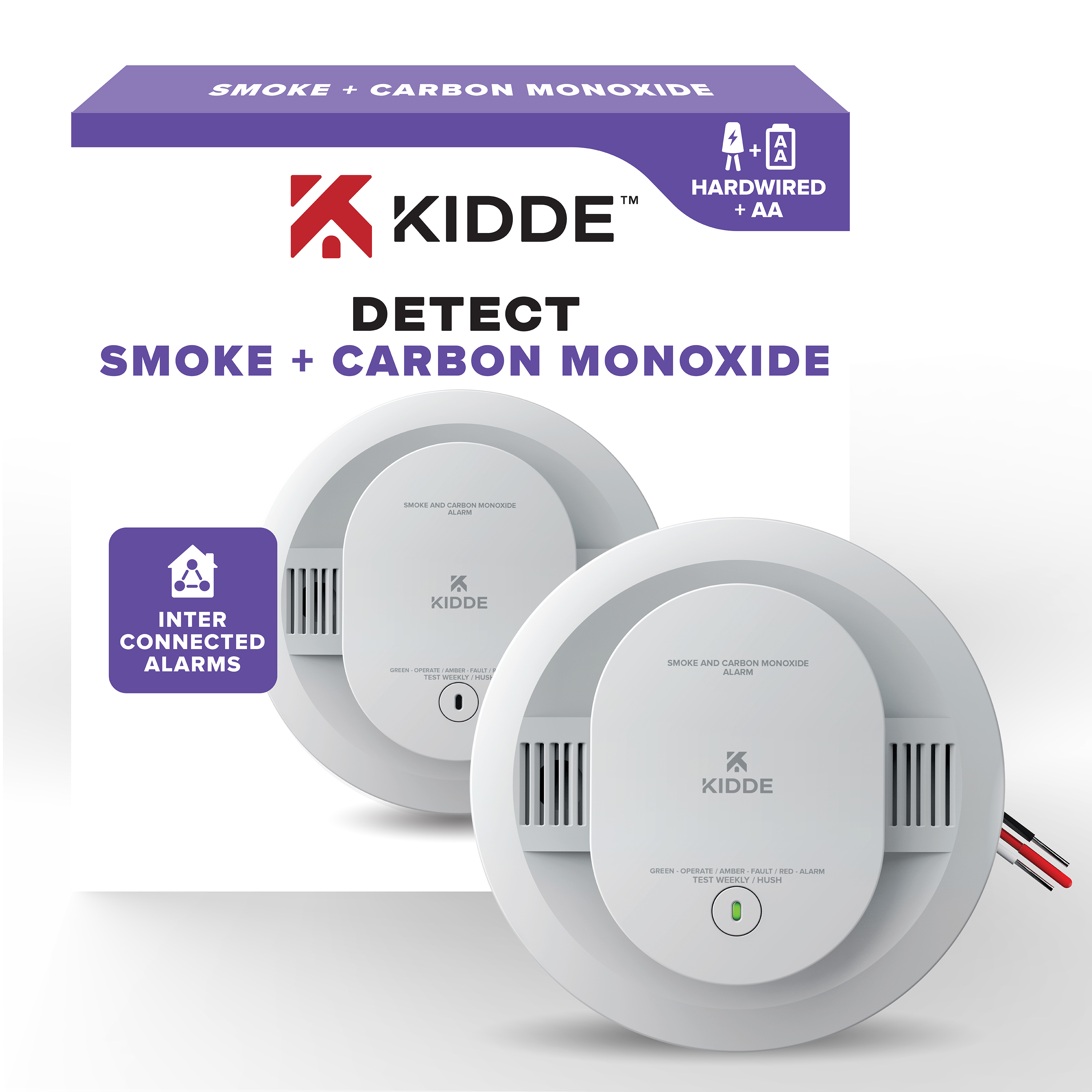
Smoke Alarm Carbon Monoxide Alarm Combination

Okay, so picture this: I was making a late-night snack, feeling all chef-y, you know? Decided to elevate some basic toast. Next thing I know, my kitchen is looking like a scene from a fog machine convention, and that high-pitched scream from the smoke alarm is trying to rupture my eardrums. My cat, bless her dramatic little heart, shot under the couch faster than a greased lightning bolt. It was a whole thing. And in that chaotic moment, between fanning the alarm with a towel and wondering if the fire department was going to show up for burnt bread, a thought actually popped into my head: what if it wasn't just smoke?
Because, let's be real, while that smoke alarm is a hero for burnt toast, it's designed to detect, well, smoke. And that's fantastic for fires. But there's another sneaky, silent villain lurking in our homes that smoke alarms are completely clueless about: carbon monoxide. Dun dun DUNNN!
Why do we even need two things?
You might be thinking, "Hey, a smoke alarm is a smoke alarm, right? It covers everything!" And bless your optimistic heart, but no. Not even close. Smoke alarms are fantastic at sensing tiny particles that come from combustion – things like burning wood, paper, or, you know, my ill-fated toast. They're your first line of defense against actual, visible fires.
Must Read
Carbon monoxide (CO), however, is a whole different beast. It’s an invisible, odorless, tasteless gas produced when fuels burn incompletely. Think furnaces, gas stoves, water heaters, even your car in an enclosed space. And here’s the kicker: it literally starves your body of oxygen. Symptoms? Headaches, dizziness, nausea. Sound like the flu? Exactly. That’s why it’s often called the silent killer. Pretty chilling, right?
So, you’ve got two distinct threats, demanding two distinct types of detection. In the past, this meant buying two separate gadgets. Two installations, two sets of batteries to worry about, two potential devices cluttering your ceiling. It was… a lot.
Enter the Combo Hero!
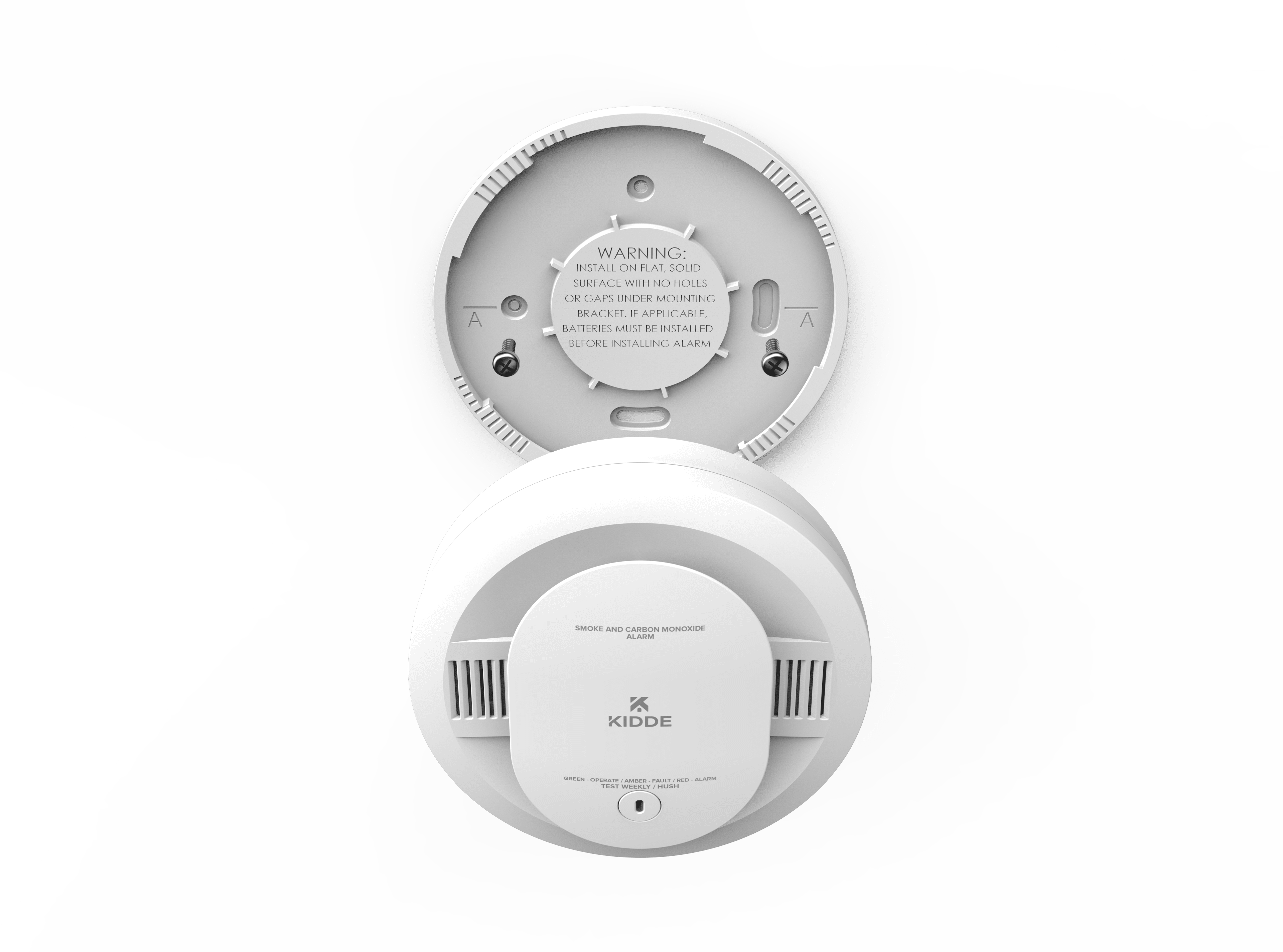
And this, my friends, is where our superhero, the smoke alarm carbon monoxide alarm combination, swoops in to save the day (and your eardrums from two separate screeches!). These clever devices are exactly what they sound like: a single unit that detects both smoke particles and carbon monoxide gas.
Think about it. One device to install. One set of batteries to change (or a single hardwired connection). One stylish (okay, maybe not stylish, but definitely less obtrusive) disc on your ceiling instead of two. It's the ultimate set-it-and-forget-it safety upgrade for your home. Less hassle, more peace of mind. Win-win!
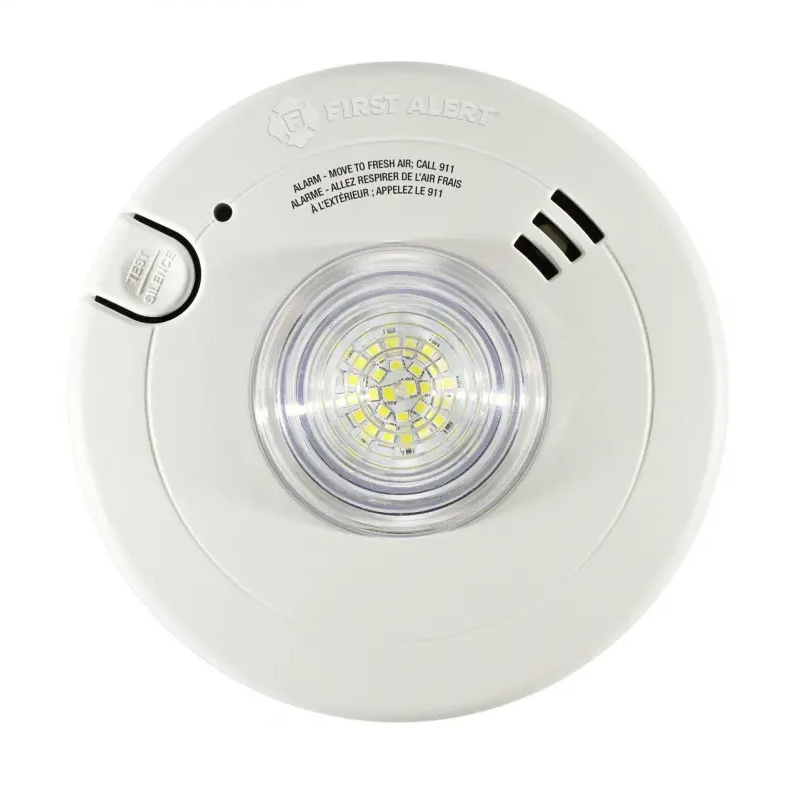
Beyond the sheer convenience, there’s an argument for better protection. When you have two functions in one unit, it often means smarter tech. Many combination alarms can even tell you which threat they're detecting with different alarm sounds or voice alerts. So, no more guessing if it's your burnt popcorn or something far more sinister.
But how does it work?
Without getting too bogged down in the super-techy details, these alarms basically have two distinct sensors inside. One sensor is looking for smoke (usually photoelectric or ionization, but we won't dive too deep there, promise!). The other sensor is specifically designed to react to the presence of CO molecules. When either sensor detects its target above a certain threshold, BEEP BEEP BEEP (or spoken alert) time to pay attention!
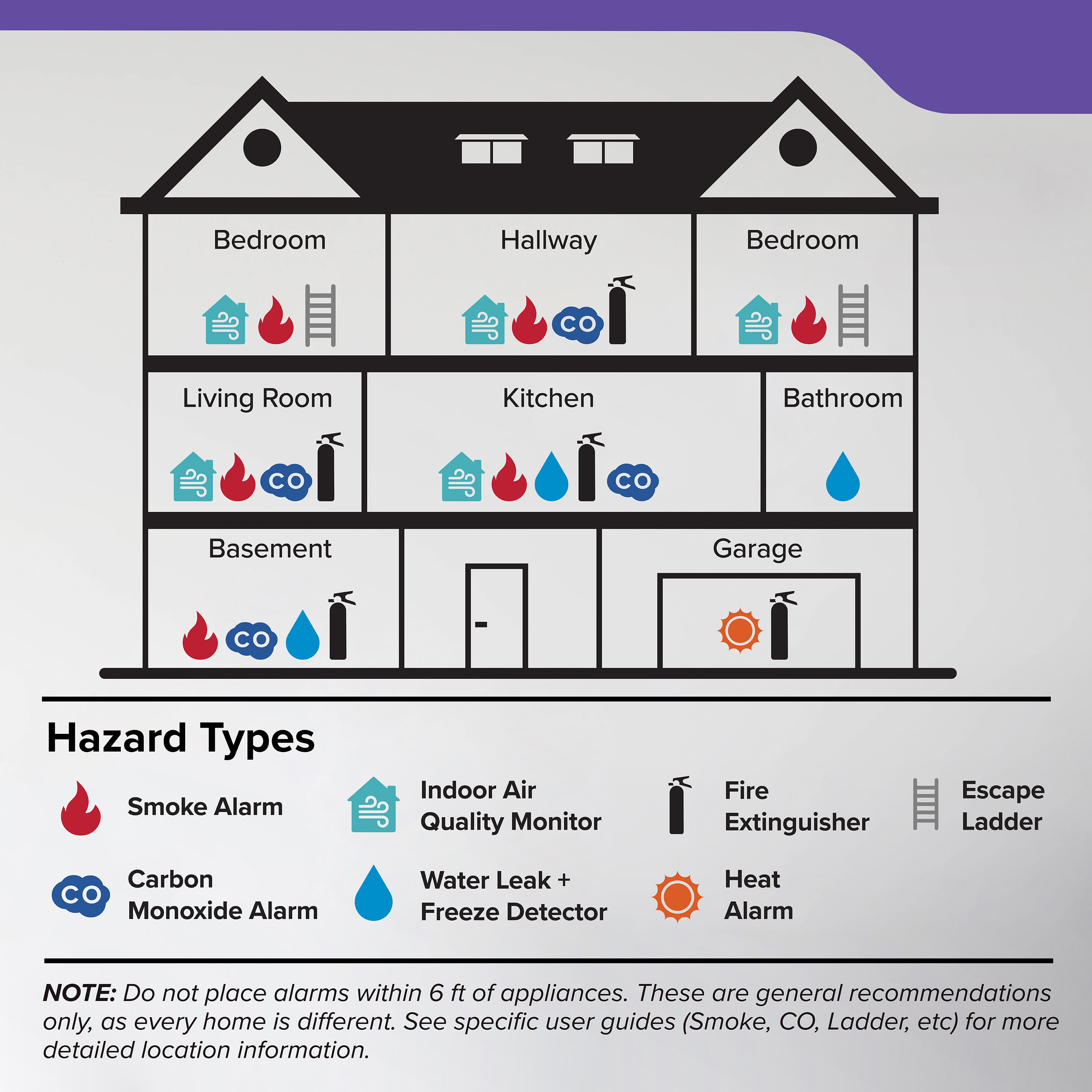
Where should you put these magical little guardians? The same general rules apply as for separate units, but now you're covering more bases with fewer devices. Think outside bedrooms, on every level of your home, and especially near sources of combustion like your furnace or water heater. Check the manufacturer's instructions for the exact best spots, because they know their stuff.
Time for a Home Safety Check!
So, here’s my friendly nudge to you, reading this right now: When was the last time you checked your smoke alarms? Do you even have CO alarms? If your current setup involves separate units that are getting a bit long in the tooth (most alarms have a lifespan of about 7-10 years, did you know that?), seriously consider upgrading to a combination smoke and CO alarm.
It’s a simple change, but one that could literally save your life, or the lives of those you love. Because while a little kitchen drama from burnt toast is amusing in hindsight, truly dangerous smoke or carbon monoxide is not. Stay safe out there, folks!