Small Dogs That Can Be Left Alone
Let's face it: we all have lives. Work, errands, social commitments – they all pull us away from home. And while the idea of being glued to our furry friends 24/7 is incredibly appealing, it's just not realistic for most of us. So, what's an animal lover to do? Especially if you crave the companionship of a dog but worry about leaving them alone? The good news is, there are indeed small dog breeds that tend to handle solo time a little better than others. This isn't about finding a dog you can neglect, but rather identifying breeds with temperaments that lean towards independence and can adapt to some alone time.
The purpose of this is simple: to help you find a small, manageable dog breed that suits your lifestyle. We're talking about breeds that are generally less prone to separation anxiety and can entertain themselves for reasonable periods. The benefits are huge! You get the joy of dog ownership without the constant guilt of a miserable, lonely pup. A dog who can tolerate being alone is also less likely to develop destructive behaviors like excessive barking or chewing. This leads to a happier dog, a happier you, and a happier home environment all around.
So, which small breeds tend to fare well when left alone? Let's dive in! Remember, every dog is an individual, and proper training and socialization are crucial regardless of breed. But these breeds are often cited as being more independent.
Must Read
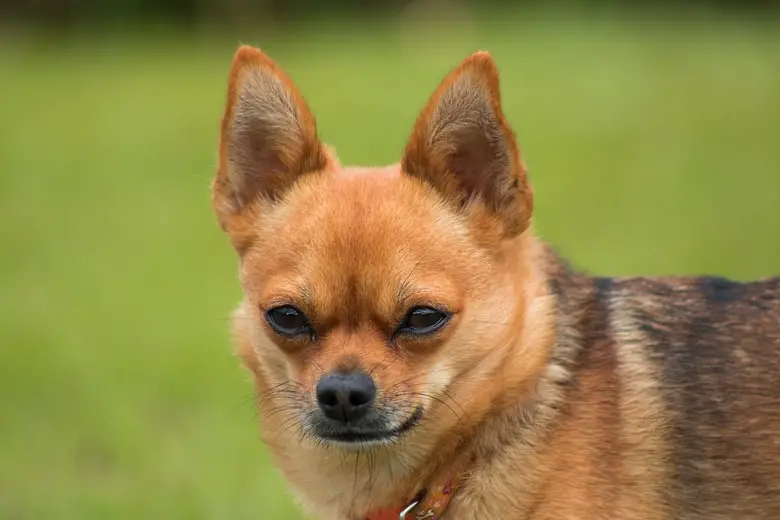
First up, we have the Chihuahua. Don't let their small size fool you; these little guys are often confident and self-sufficient. They are perfectly content to curl up in a sunny spot and nap the day away. They're also low-maintenance when it comes to exercise, making them suitable for apartment living.
Next, consider the Shih Tzu. Bred to be companion dogs, they are adaptable and can be quite content indoors. While they enjoy attention, they aren't overly demanding and are happy to relax on their own. Regular grooming is essential, but their overall temperament is quite laid-back.
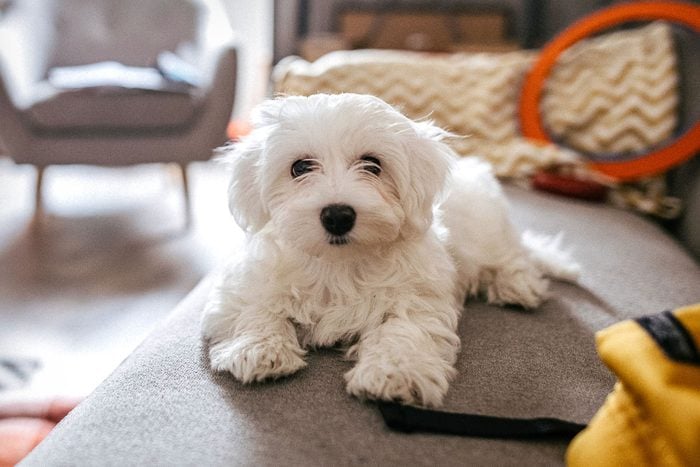
The Maltese is another small breed that can handle alone time well. They are playful but not overly energetic and are typically happy to amuse themselves with toys. Their small size also makes them ideal for smaller living spaces.
Don't forget the Pekingese! These dignified little dogs are known for their independence and calm demeanor. While they enjoy cuddling, they also value their personal space and are content to spend time alone. They may not be the most active breed, but they make excellent companions.

Finally, consider the Basenji. While not always considered a "lap dog," Basenjis are surprisingly independent and clean. They are often described as cat-like in their grooming habits and independent nature, making them suitable for owners who work during the day. However, they do need mental stimulation, so plenty of toys are essential.
Important note: Leaving any dog alone for extended periods is never ideal. Even these more independent breeds need interaction, exercise, and mental stimulation. Before leaving your dog alone, ensure they have plenty of water, a comfortable bed, and some engaging toys. Consider hiring a dog walker or using a doggy daycare if you'll be gone for long hours. Remember, responsible dog ownership is all about finding a balance that works for both you and your furry friend!