Signs That A Neighborhood Is Deteriorating
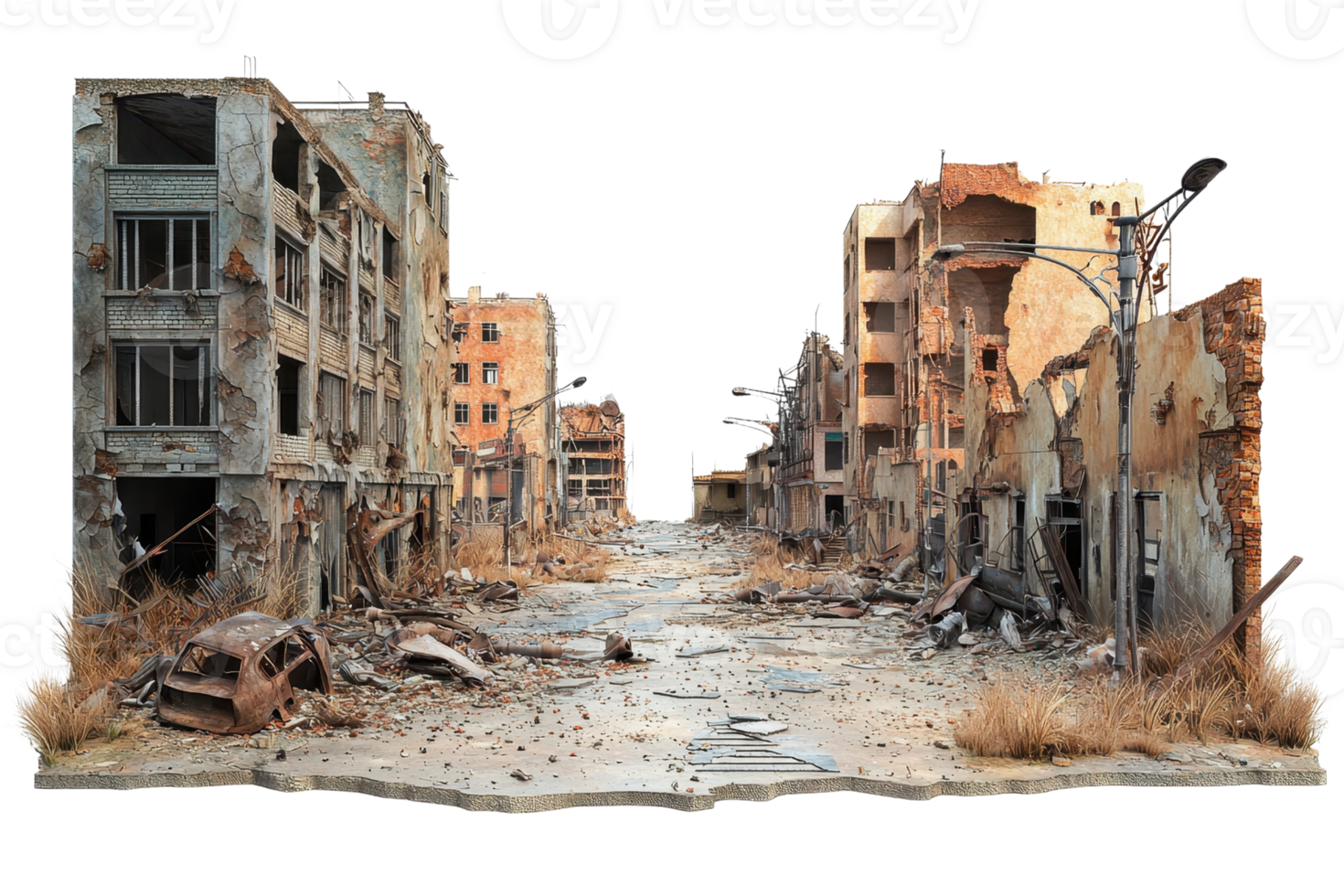
There's a fascinating, almost poetic art to observing the subtle shifts in our surroundings. Forget grand declarations; we're talking about the quiet whispers a neighborhood shares as it evolves. Instead of focusing on decline, let's frame this as becoming a super-sleuth of local narratives, a connoisseur of the captivating dance between past and present. It’s a delightful journey into urban archaeology, uncovering the charming, sometimes melancholic, beauty in everyday change. Far from being a gloomy pursuit, it's an exercise in mindfulness and appreciation for the living, breathing story of our communities.
This unique observational hobby offers a treasure trove of benefits for anyone with a curious mind. For artists and photographers, it provides an endless palette of textures, light, and subjects. A peeling paint job becomes a masterpiece of weathered layers; an overgrown patch of weeds offers a vibrant study in nature reclaiming its space. Hobbyists will find it transforms a routine walk into an engaging detective mission, sharpening their observational skills and fostering a deeper connection to their locale. And for the casual learner, it’s a brilliant, hands-on lesson in local history, urban planning, and even human resilience, all without cracking a textbook. It teaches us to see beyond the obvious, finding character and history in the most overlooked corners.
So, what kind of "signs" are we talking about? Think subtle, beautiful details rather than overt pronouncements. Consider the shift from vibrant, independently-owned storefronts to a succession of empty lots or generic chain stores – each change a chapter in the economic story of the area. Notice the once-meticulously-tended front gardens that have, over time, embraced a wilder, more naturalistic charm. Observe the community bulletin boards: are they brimming with local events, or do they hold faded posters of long-past gatherings? Even the simple wear on a public park bench or a faded mural can tell a poignant story of countless interactions and the relentless passage of time. These aren't just signs; they are visual haikus of a neighborhood's journey.
Must Read
Ready to become your own neighborhood narrator? It’s wonderfully easy to try at home. Start by taking a mindful walk around your own block or a nearby area you know well. Leave your headphones off and truly engage your senses. What sounds do you hear? What smells? Carry a small notebook or your phone camera to document anything that catches your eye – a forgotten toy, a unique architectural detail, an unexpected patch of wildflowers pushing through concrete. Don’t judge what you see, just observe. Try to revisit the same spot at different times of day or in different seasons to witness the subtle changes. You might even chat with a long-time resident; their anecdotes are often the richest historical sources!
Ultimately, this isn't about looking for gloom; it's about finding the rich tapestry of life in its ever-unfolding forms. There’s a profound enjoyment in appreciating the beauty of imperfection, the stories etched into every cracked pavement and fading sign. It's about seeing the enduring spirit of a place, understanding its past, and perhaps even imagining its future. It’s a joyful, eye-opening pursuit that reminds us that every street corner holds a secret, waiting for a curious heart to discover it.