
Signs Of Natural Gas Leak

Hey there, home adventurer! Ever thought about all the amazing things that make your house a cozy castle? From warm showers to sizzling stovetops, there's a lot of magic happening behind the scenes, often powered by something called natural gas.
It's a fantastic helper, a real unsung hero of convenience. But, like any good superhero, it has a tiny secret: it needs to stay safely tucked away in its pipes. If it ever decides to stage a little breakout, we need to know the signs, and fast!
Think of yourself as a super-sleuth, a household detective with a mission to keep everything happy and humming. Spotting a natural gas leak isn't about being scared; it's about being smart and knowing what to look for. And guess what? Your senses are your best tools!
Must Read
The Nose Knows Best!
Your Sniffer's Secret Weapon
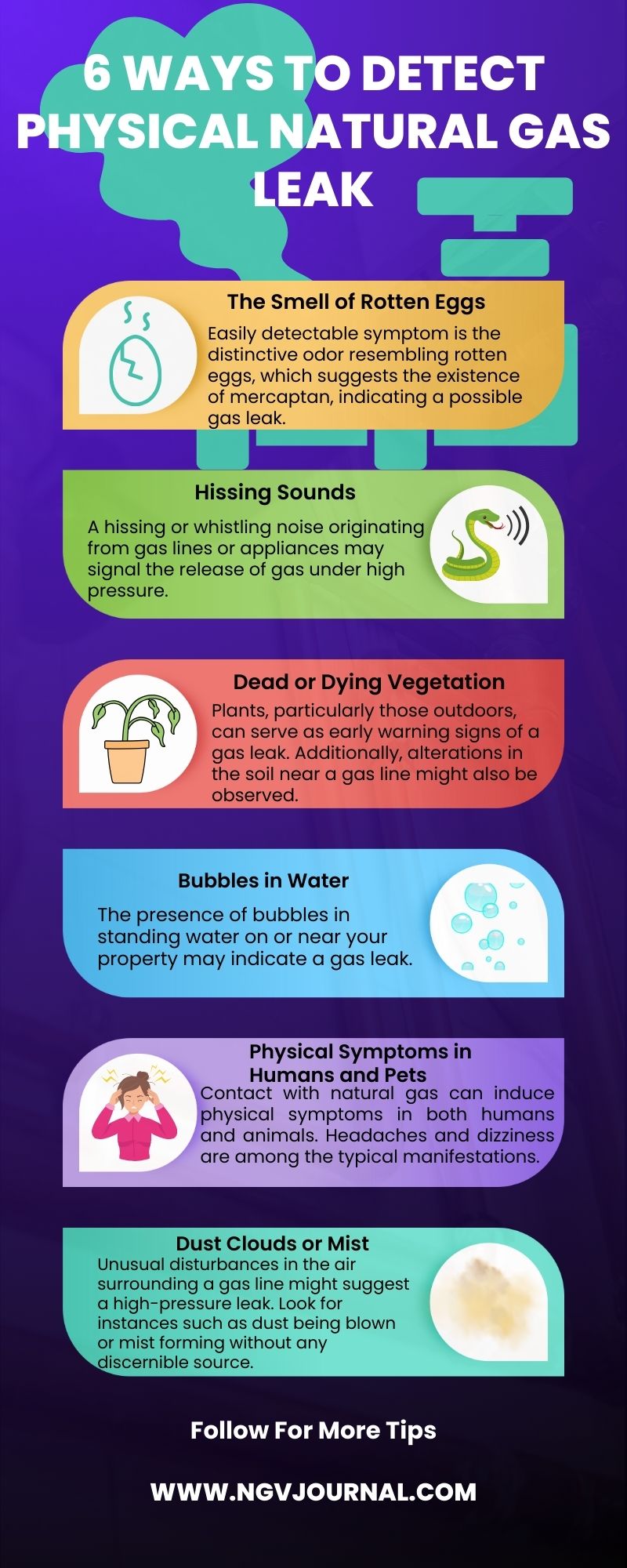
Okay, let's talk about the most famous clue first: the smell! Natural gas, in its pure form, is actually odorless, like a ninja. But gas companies are super smart; they add a special chemical called mercaptan to give it a distinctive, unforgettable scent.
What does it smell like, you ask? Imagine a dragon laid an egg, and then that egg went really bad. Or perhaps a science experiment involving old socks and expired milk that nobody dared to clean up for weeks. It’s often described as rotten eggs, and trust us, once you smell it, you’ll know it’s not your breakfast.
This smell is your first, best, and most reliable alarm bell. If you catch a whiff of that pungent, sulfur-like odor anywhere in or around your home, don't just sniff it twice and shrug. Take it seriously!
Why the Stink?
That rotten egg smell isn't just for fun; it's a vital safety feature designed to grab your attention. It's the gas company's way of saying, "Hey, listen up, something's not right!"
So, if your nose starts telling you tales of a forgotten breakfast from a mythical creature, pay attention. It's probably the natural gas politely, but firmly, letting you know it's trying to make an unscheduled appearance outside its designated pipes. Your nose is a true hero here!

Hear That Hiss?
Uninvited Noises
Sometimes, a gas leak might make a sound, especially if it's a larger one trying to escape. Listen closely; do you hear anything unusual? It might sound like a subtle hissing or a soft blowing noise.
Think of it like a tire with a slow leak, or a forgotten soda bottle that's slowly fizzing its way out. It’s not the gentle whisper of a secret admirer; it's more like a tiny, invisible villain trying to inflate a balloon in your living room.
These sounds can be soft, almost imperceptible at first. They are a sign of gas actively escaping from a pipe or appliance. So, quiet your house for a moment and listen if you hear any unexpected tunes.
When Silence Isn't Golden
Sometimes, the sound might be more pronounced, like air rushing out of a faulty valve. You might hear it coming from a gas appliance, like your water heater or furnace, or even from a pipe in the wall.
If you're suddenly hearing sounds that remind you of a leaky bicycle tire or a sighing ghost, and you can't pinpoint the source to something innocent, it’s time to consider the possibility of a gas leak. Your ears are pretty excellent detectives too!
Look Around, Sherlock!
The Great Outdoor Detective Work
Beyond your senses of smell and hearing, your eyes can also be a fantastic tool, especially outside. If you suspect a leak might be lurking in your yard, take a peek. Are you seeing patches of dead or discolored vegetation for no apparent reason?

Your pet plant, Ferny, usually thrives, but now looks like it just heard a bad joke and decided to curl up and die. Gas leaks can suffocate plants, making them look sad, wilted, or just plain wrong. It's like a botanical distress signal!
Another outdoor clue: sometimes, dirt and dust might blow around near a gas line, or there might be an unusual dry spot in a wet area. It's like the ground itself is trying to tell you a secret, kicking up a little fuss to get your attention.
Indoor Clues and Bubbles
Inside, look for visible signs near gas lines or appliances. You might see a fine mist or fog, or even a cloud of dust if the gas is escaping with force. These visual cues are less common but definitely worth noting.
If you have a suspected leak near a water source, like a puddle or a pipe, you might even see persistent bubbles rising from the ground. This is like the gas is doing a little bubbly dance party, letting you know it's there. It's a clear visual that something's not quite right below the surface.
Plant Puzzlers
Even your indoor plants can offer clues. If houseplants that are usually happy suddenly start looking droopy, discolored, or unwell, and you haven't changed their routine, it could be a sign of a gas leak. Gas can be toxic to plant life, even indoors.
So, if your normally vibrant houseplant collection suddenly resembles a scene from a sad plant drama, and you've ruled out overwatering or too much shade, consider the possibility that a silent, invisible invader might be causing their woes.
Feeling Funky?
The Body's Alarm System
Sometimes, a gas leak can even make you feel a little off. While natural gas itself isn't directly toxic in small amounts, it displaces oxygen. And that's where the trouble can start. Our bodies need oxygen to function properly, you know!
Symptoms of prolonged exposure to even small amounts of gas (due to oxygen displacement) can include headaches, dizziness, nausea, fatigue, or even confusion. You might feel a bit woozy, like you've been on a spinning teacup ride at the fair, but without the fun.
If you or your family members start experiencing these kinds of unexplained symptoms, especially if they seem to improve when you go outside, it's definitely a red flag. Your body is a clever machine, and it will try to tell you when something is amiss in your environment.
When You Feel "Off"
Imagine you're feeling a bit sluggish, like your brain is wrapped in cotton wool. Or maybe a sudden wave of nausea hits you, and you can't figure out why. These seemingly minor discomforts could be your body's way of whispering, "Hey, there's a problem with the air quality in here!"
Don't just brush off persistent headaches or a sudden feeling of lightheadedness. If these symptoms appear alongside any of the other signs we've discussed, or if they just feel weird and out of place, it’s worth investigating further. Your well-being is the ultimate indicator!

What To Do When You Suspect Trouble
The Golden Rules
Okay, so you've detected a possible gas leak. You're a super-sleuth, remember? Now it's time to act like one. The most important thing is to prioritize safety and get everyone out of the house immediately.
Do NOT try to find the source of the leak. Do NOT turn light switches on or off. Do NOT use your phone inside the house. Do NOT light a match or anything that creates a spark. Do NOT open windows to ventilate (it wastes precious time).
These are super important! Sparks or flames can ignite the gas, and that's a big no-no. Just like in a movie, you need to exit the building calmly and quickly.
Don't Be a Hero, Be Smart!
Once you are outside and a safe distance away from the building, then you can call for help. Use your cell phone or a neighbor's phone to call your natural gas provider's emergency number or 911.
They are the real experts, the super-duper emergency heroes who know exactly how to handle these situations safely. They'll come out, assess the situation, and make sure everything is safe before you return. You've done your part by spotting the problem and getting everyone to safety. Bravo!
Stay Safe, Stay Happy!
Knowing the signs of a natural gas leak isn't about being scared; it's about being prepared, confident, and proactive. It’s about making sure your home remains the safe and cozy sanctuary it’s meant to be. You've got this, household detective!
By using your amazing senses and remembering these simple clues, you’re well-equipped to keep yourself and your loved ones safe. So go forth, enjoy your home, and keep those super-sleuth senses sharp!