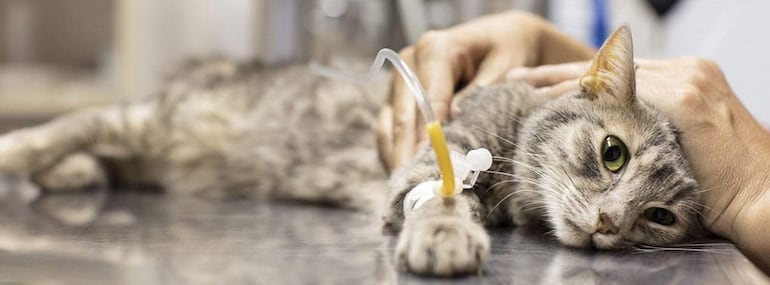
Siete Quiebres Del Gato Envenenado En Honduras
Have you ever heard of "Siete Quiebres Del Gato Envenenado En Honduras?" It sounds rather… dramatic, doesn't it? "Seven Breaks of the Poisoned Cat in Honduras." While the name is captivating (and maybe a little intimidating!), it's actually a fascinating concept with roots in Honduran folklore and potentially surprising applications to learning and problem-solving. Think of it as a playful, metaphorical way to approach challenges.
So, what exactly is it? Unfortunately, there's no readily available, definitive explanation readily accessible in common knowledge. It seems to be more of an oral tradition, a saying or a story passed down, representing a specific kind of strategic thinking or problem-solving strategy, potentially rooted in historical or cultural contexts specific to Honduras. The 'poisoned cat' likely refers to a precarious situation, and the 'seven breaks' suggest a series of maneuvers or strategies needed to navigate that situation successfully. Imagine a game where you have to outsmart a tricky opponent; this is the kind of cunning this saying likely alludes to.
The purpose and benefits of understanding this concept, even without a perfectly defined definition, lie in fostering critical thinking, adaptability, and creative problem-solving. It encourages a mindset that recognizes that complex problems often require multiple steps and different approaches. Just as the "poisoned cat" scenario requires careful handling and a series of strategic actions, many of life's challenges demand a multi-faceted solution.
Must Read
How could this be applied in education? Imagine presenting students with a complex historical problem. Instead of just asking for the solution, encourage them to break it down into "seven breaks." Each "break" could represent a different aspect of the problem, a potential solution, or a counter-argument. This approach forces students to think critically and consider multiple perspectives, fostering a deeper understanding of the issue. Similarly, in math, complex word problems can be tackled by identifying seven key steps or strategies needed to arrive at the answer.
In daily life, think about tackling a challenging project at work. Instead of feeling overwhelmed, try to identify the "seven breaks" needed to complete it. Perhaps one break is research, another is planning, another is delegation, and so on. This breakdown can make the task seem more manageable and less daunting. Even something as simple as planning a vacation can be approached this way: research, budgeting, booking flights, finding accommodation, planning activities, packing, and finally, enjoying the trip!

While a formal definition remains elusive, here are some practical tips to explore this idea: Talk to people from Honduras! They might have heard the saying and be able to shed light on its origins and meaning. Research Honduran folklore and traditions, paying attention to stories that involve cunning, problem-solving, and resilience. Think about problems in your own life and how you could break them down into smaller, more manageable steps. Use the "seven breaks" as a framework for brainstorming solutions.
Even without knowing the exact meaning, “Siete Quiebres Del Gato Envenenado En Honduras” serves as a powerful reminder of the importance of strategic thinking and adaptability. It's a call to embrace complexity, break down challenges, and approach life with a bit of cunning and a whole lot of resilience. So, the next time you face a difficult situation, remember the "poisoned cat" and see if you can find your own seven breaks to success!