
Should I Take L Carnitine Before Or After Workout

Okay, let's talk L-Carnitine. It's the supplement everyone's whispering about at the juice bar, promising to turn your workout into a fat-burning fiesta. But like choosing between a cold brew and a matcha latte (depending on your vibe, right?), timing is everything. So, the big question: Should you pop that L-Carnitine before or after you hit the gym?
First, a quick refresher. L-Carnitine is a naturally occurring amino acid that plays a crucial role in transporting fatty acids into your cells' mitochondria – essentially, the power plants where fat gets burned for energy. Think of it as a tiny, super-efficient chauffeur service for your fat cells. That sounds pretty good, eh?
The Pre-Workout Party: Fueling the Fire
The argument for taking L-Carnitine before your workout is all about maximizing that fat-burning potential. The idea is that by having L-Carnitine readily available in your system before you start sweating, you're giving those fat-cell chauffeurs a head start. More fat shuttled into the mitochondria means more energy, potentially boosting your performance and helping you torch more calories. Think of it like pre-heating your oven before baking a cake – you’re setting the stage for optimal results.
Must Read
Practical tip: If you’re going the pre-workout route, aim to take your L-Carnitine about 30-60 minutes beforehand. This gives it time to absorb into your bloodstream and get to work. Plus, it can be great motivation, knowing you're actively prepping for a killer workout.
The Post-Workout Recovery Ritual: Repair and Replenish
Now, let's consider the post-workout perspective. Some argue that taking L-Carnitine after your workout can aid in recovery. After a tough session, your muscles are depleted and need to repair themselves. While L-Carnitine's primary function is fat metabolism, some studies suggest it may also help reduce muscle damage and soreness, potentially speeding up recovery. It's like having a post-workout smoothie that also helps rebuild your muscles.
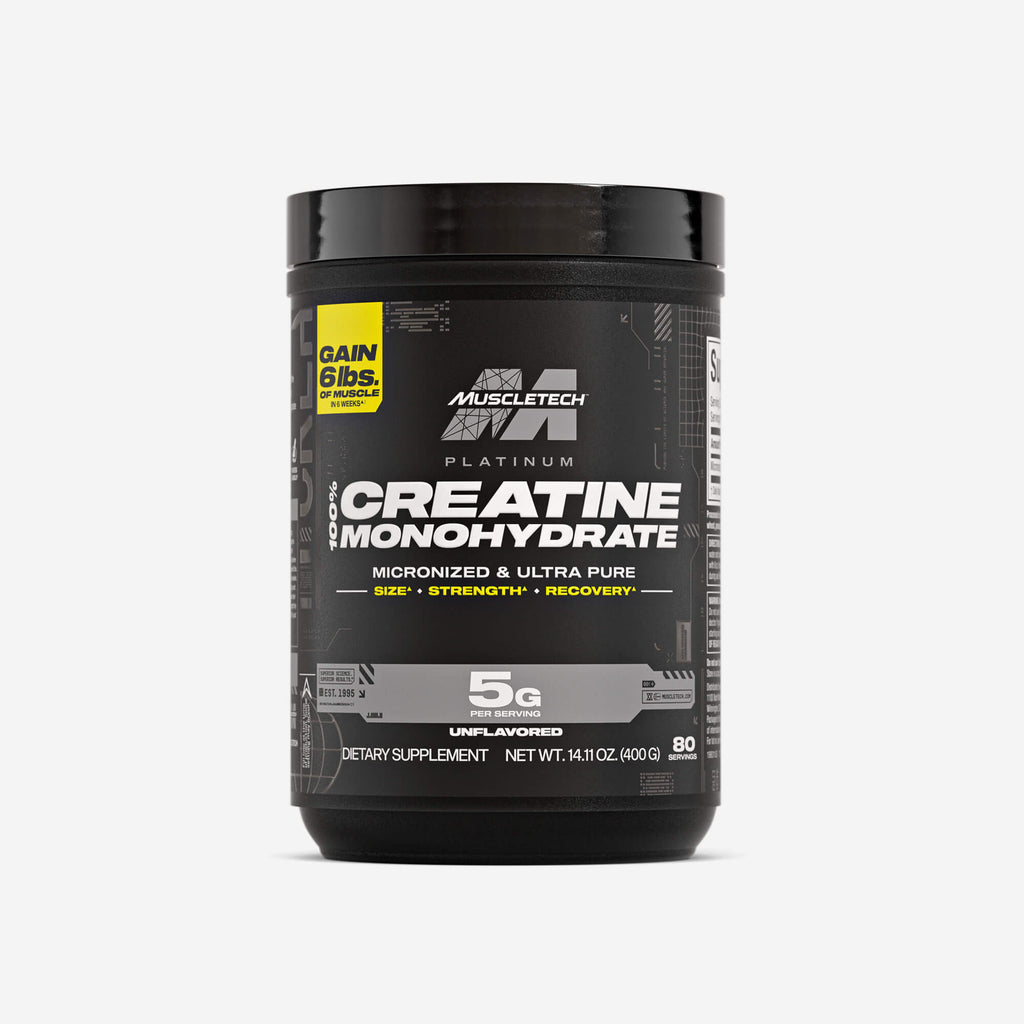
Think of it this way: your body is like a sponge. After a workout it can absorb nutrients more efficiently.
Fun fact: Did you know that L-Carnitine was first discovered in meat extracts? The name "Carnitine" even comes from the Latin word "carnus," meaning flesh. So, in a way, taking L-Carnitine is tapping into the wisdom of our ancestral meat-eating diets.
So, What's the Verdict? The Great Timing Debate
Honestly, there's no definitive "right" answer. The optimal timing for L-Carnitine can depend on your individual goals, your body's response, and even the specific form of L-Carnitine you're taking (e.g., L-Carnitine Tartrate, Acetyl-L-Carnitine).

Bold text: Experiment! That's the key. Try taking it before your workout for a week or two, then switch to post-workout and see if you notice any differences in your energy levels, performance, or recovery. Keep a workout journal to track your progress. Listen to your body.
Important: Always consult with a healthcare professional or registered dietitian before starting any new supplement, especially if you have any underlying health conditions or are taking medications.

Consider your diet, too. L-Carnitine is found in foods like red meat, but often not in high enough quantities to significantly impact your workout results. Supplementing can help bridge that gap, especially if you're vegetarian or vegan.
Ultimately, the best time to take L-Carnitine is the time that works best for you. Whether you're pre-gaming your workout or recovering like a pro, finding what fits your routine is key. Just like finding the perfect playlist or that killer workout class, it's all about tailoring your fitness journey to your unique rhythm.
Final thoughts: This L-Carnitine conundrum mirrors life itself, doesn't it? There's often no single right answer, and the best approach is to experiment, listen to your intuition, and find what resonates with your individual needs and goals. So, go ahead, try it out, and discover what makes your body sing.
