
Should Carbon Monoxide Detectors Be Mounted High Or Low

Alright, let's talk about something super important but also kinda quirky: your carbon monoxide (CO) detector. You know, that little gadget keeping your lungs safe from an invisible villain. But here’s the burning question, literally: should it be mounted high up near the ceiling, or low down by the floor? It's a riddle wrapped in an enigma, tucked inside your wall!
This isn’t just some random debate; it’s a genuine household head-scratcher. We’ve all seen those smoke detectors chilling high up. And maybe you've heard about other gas detectors needing to be low. So, where does CO fit into this domestic drama? Get ready, because the answer might just make you chuckle.
The Case for "High": The Smoke Detector Effect
Let's start with the classic: the smoke detector. They’re practically ceiling ornaments, right? And for good reason! Smoke, when it’s hot and fresh from a fiery mishap, rises. It’s got that buoyant, upward-driftin’ vibe. So, it makes perfect sense to pop a detector up high to catch those tell-tale wisps as early as possible. Logic, right? Simple physics at play. Many folks naturally assume CO, being a gas, will behave similarly. But oh, if only life were that straightforward!
Must Read
Imagine CO wafting upwards like a graceful ghost. It sounds sensible. It feels right, especially if you think of gas in a general, airy sense. But here's where the plot thickens and things get a little weird. CO isn't quite the rising star you might expect.
The Case for "Low": The Heavy Hitter Theory
Then there’s the "low down" camp. Maybe you've got a natural gas leak detector, or one for propane. These bad boys are often recommended for placement near the floor. Why? Because natural gas (methane) is lighter than air and tends to rise, but propane is heavier than air and sinks. Yes, it's a gas density party, and everyone's invited!
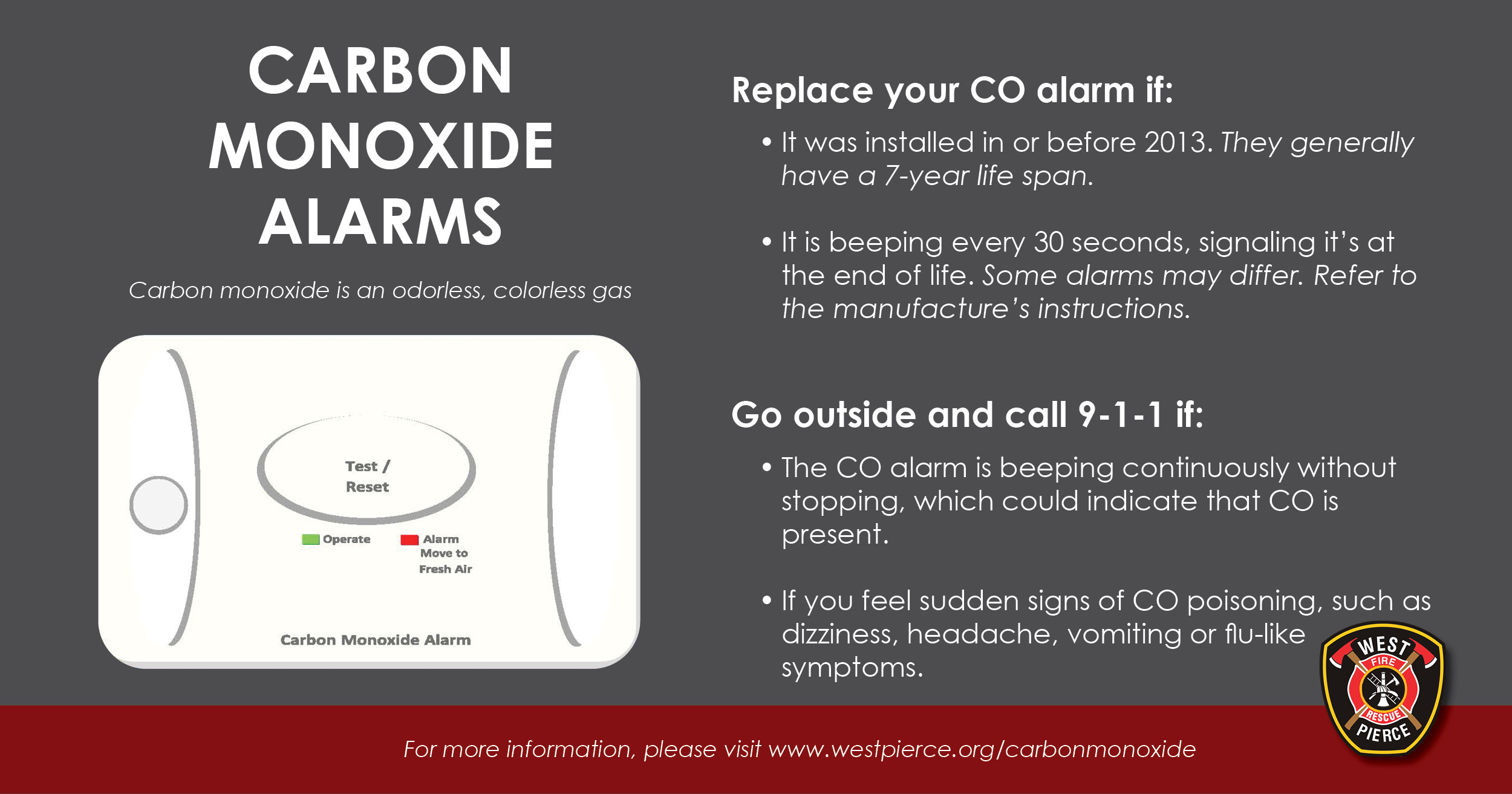
So, if you’re thinking CO might be one of those heavy, floor-hugging gases, you’re not alone. It’s a common, logical leap. We’re trained to think gases either float or sink, like some sort of atmospheric Goldilocks scenario. But CO? It’s a bit of a rebel. It refuses to pick a side in the high-or-low debate, at least not in the way you’d expect.
The Big Reveal: The Mischievous CO and its Quirky Nature
Ready for the truth? Prepare to have your mind mildly amused. Carbon monoxide is actually very, very close in density to regular air. We’re talking almost identical twins, atmospherically speaking. It’s a little bit lighter than air, sure, but not enough to make it shoot straight to the ceiling like a hot air balloon, or plummet to the floor like a lead weight.
.jpg)
Instead, CO does something wonderfully, maddeningly democratic: it mixes pretty evenly with the air around it. Like sugar dissolving in your coffee, it just disperses. This means that whether you put your CO detector high or low, it’s going to encounter the CO concentration in the room roughly at the same time. Mind blown, right?
This is where the fun really starts! All those intense debates about gas stratification? CO just shrugs. It's like the cool kid at the party who just blends in, never making a dramatic entrance or exit based on its weight. It's the ultimate social mixer!
So, What's the "Right" Answer (and why it's still fun!)?
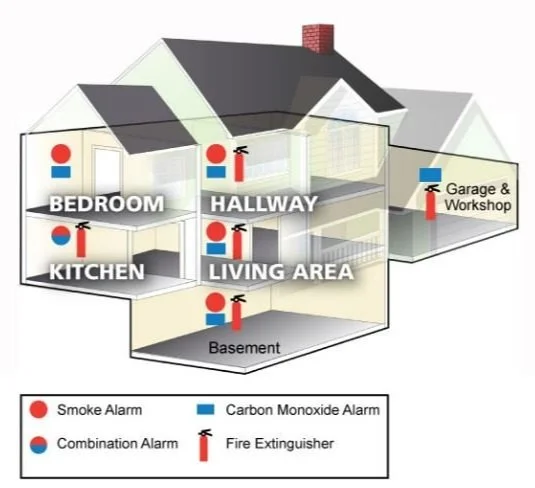
Given its penchant for blending, you might think placement doesn't matter at all. But hold your horses! While CO mixes evenly, there are still some smart places to put your detector. It's not about catching the gas high or low, but about catching it where it matters most and according to the experts.
Here’s the deal: Always, always, always follow the manufacturer’s instructions. They’ve done the testing! But generally, the best spots are:
- Near sleeping areas: You want to be alerted when you’re most vulnerable.
- On every level of your home: Don’t skimp!
- Approximately chest height: This is often a good compromise, placing it within your breathing zone.
- Away from direct heat or cold sources: Like furnaces, stoves, or drafty windows, which can mess with the sensor.
- Not in bathrooms or kitchens: Steam and cooking fumes can trigger false alarms.

See? It's less about the gas's specific high/low dance and more about common sense and optimal detection for human safety. It’s like buying a new pair of shoes: fit matters, style is secondary to comfort, and reading the care instructions is key if you want them to last!
Why This Is Just Plain Fun To Talk About
Isn’t it amusing how something so critical can have such a surprisingly simple, yet counter-intuitive answer? We expect drama, scientific stratification, and definitive "up or down" rules. Instead, CO says, "Nah, I'll just hang out wherever." It sparks curiosity, challenges assumptions, and makes you feel a little bit smarter at dinner parties.
The next time someone asks, "High or low for CO detectors?" you can confidently, and perhaps a little playfully, explain its "equal opportunity mixer" nature. Then, you can drop the mic and tell them to just read the darn instructions and put them near where people sleep. Because while CO is a blend-in artist, it's still a serious hazard, and those little detectors are our unsung, quietly-placed heroes. Stay safe, and keep those detectors chirping!