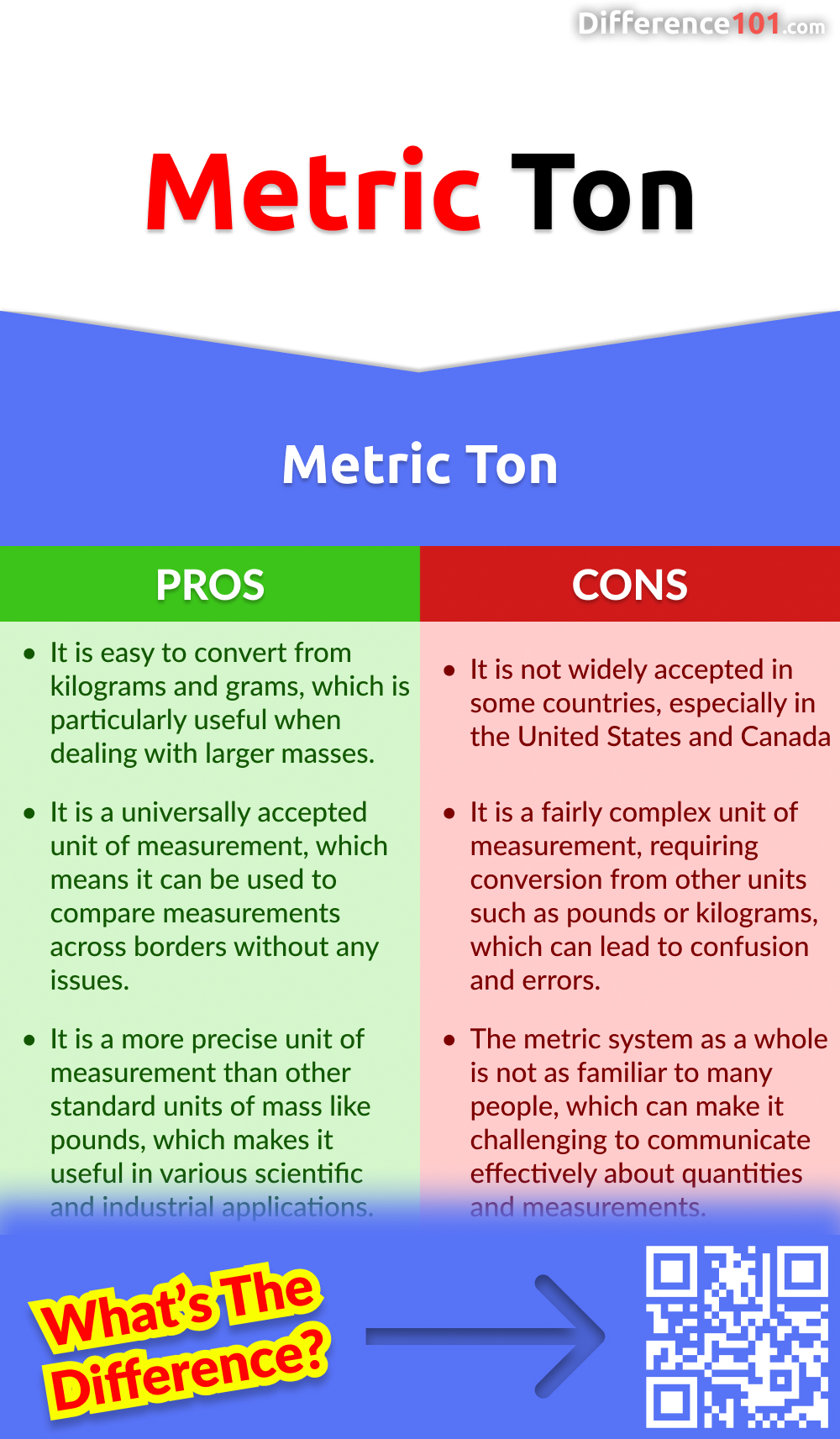
Short Tons Vs Metric Tons
Ever thought about weight? Not your personal weight, but the weight of really big things? Like, a mountain of potatoes, or a ship full of bananas? It gets interesting fast, especially when you start talking about "tons." You see, not all tons are created equal. It’s like a secret handshake in the world of heavy lifting, and once you know it, life gets a little more fun!
Meet the Heavyweights: A Tale of Two Tons
Imagine you're trying to figure out how much something truly weighs. You hear the word "ton" and think, "Okay, that's a lot!" And you'd be right. But then you might stumble upon a curious little detail: there isn't just one kind of ton. There are at least two very famous ones, and their tiny difference is surprisingly entertaining!
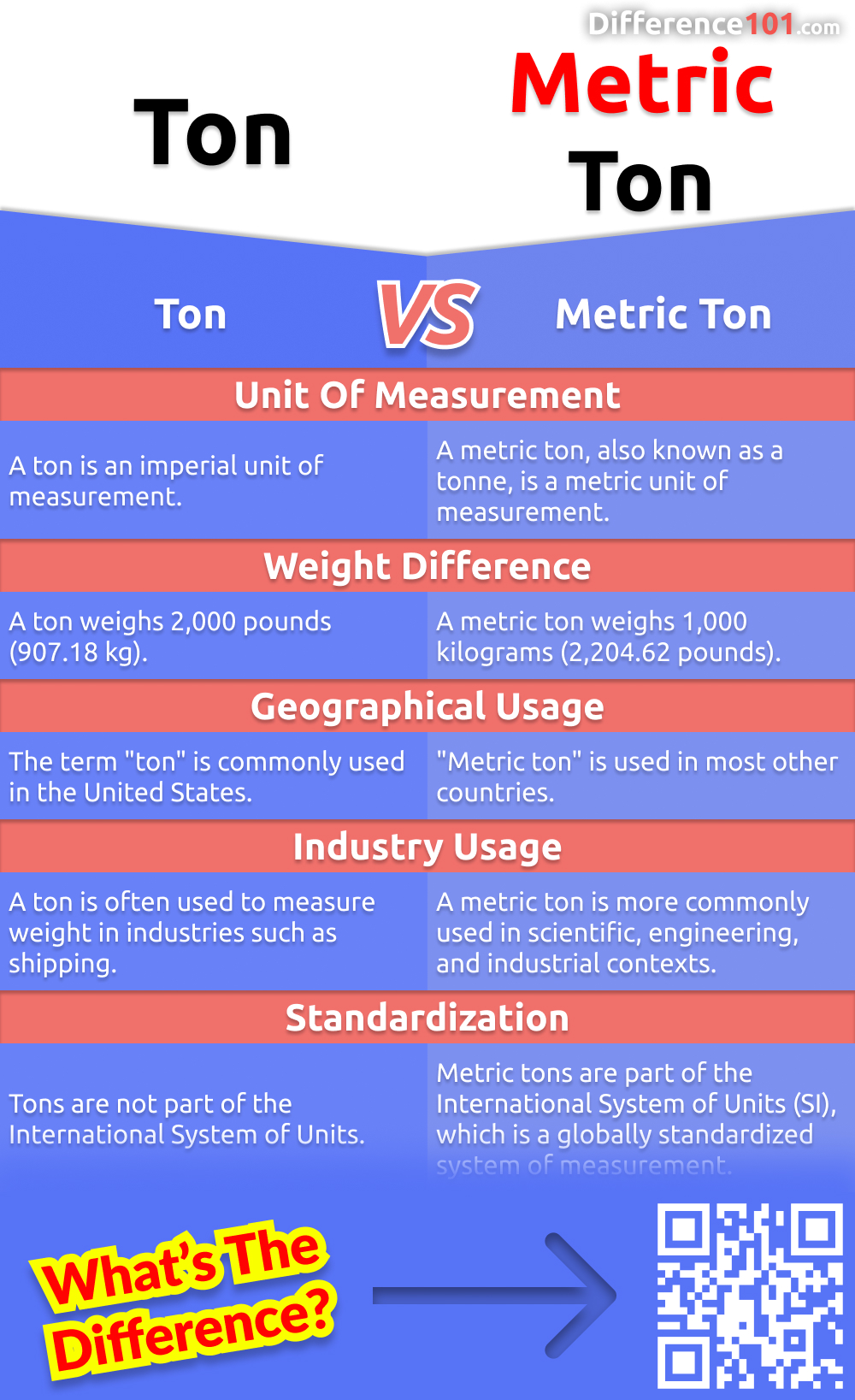
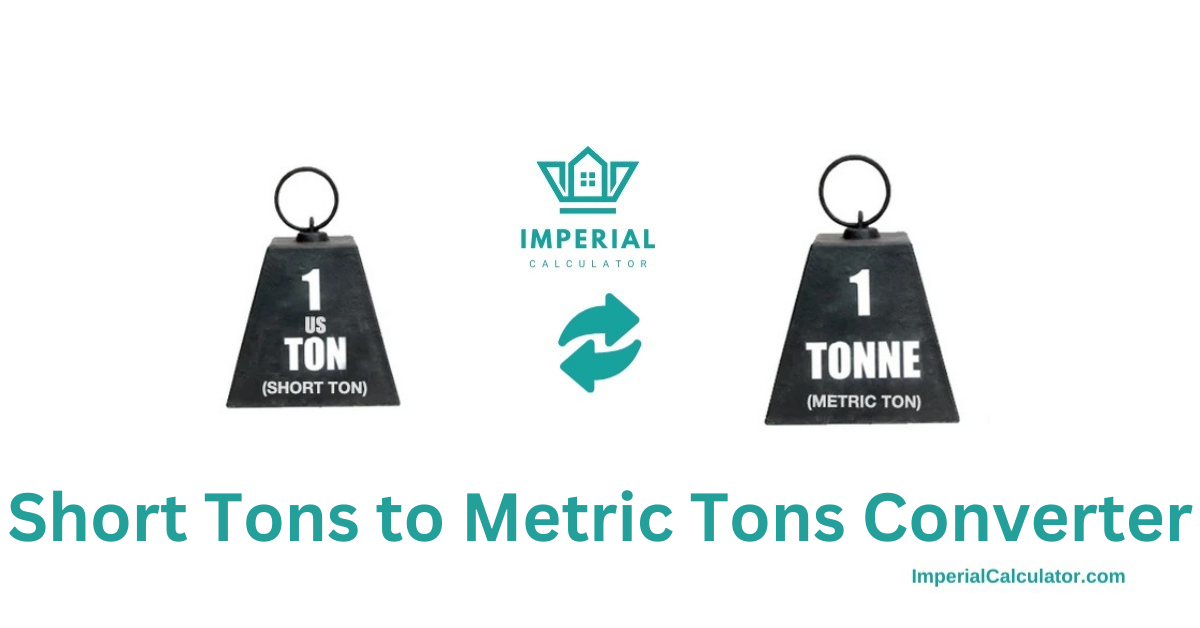
First up, we have the Short Ton. This is the ton that most folks in the United States know and love. It’s a purely American heavyweight, tipping the scales at a neat and tidy 2,000 pounds. Think of it as the friendly, neighborhood ton. When you see a truck rated for a "ton" of payload in the U.S., chances are they're talking about this guy. It's straightforward, it's domestic, and it gets the job done with classic American flair.
Must Read
Then, making its grand entrance from almost everywhere else in the world, we have the Metric Ton. This is the global superstar of heavy measurements! If you're talking to someone in Canada, Europe, Asia, or basically any country that uses the metric system, this is their go-to ton. The Metric Ton weighs 1,000 kilograms. Now, to put that into good old American pounds, that’s about 2,204.6 pounds. See? It's a bit heavier! It carries a bit more punch, a little extra oomph, making it the international champion of weight.
The Tiny Difference That Makes All the Fun
So, we have one ton that's 2,000 pounds (the Short Ton) and another that's 2,204.6 pounds (the Metric Ton). That’s a difference of 204.6 pounds. At first glance, it might not seem like a huge deal. But imagine you’re buying a massive amount of something – say, a thousand tons of steel. Suddenly, those 204.6 pounds per ton really start to add up! You could be getting a whole lot more (or less!) than you bargained for, depending on which ton you thought you were dealing with.
This subtle difference is what makes it so wonderfully entertaining. It's like a secret code only a few people know, and once you're in on the joke, you start seeing it everywhere. It’s a gentle reminder that precision matters, even in everyday language. It sparks little "aha!" moments when you realize why a shipping quote from overseas seems to differ slightly from a domestic one.
Why It's So Special (and a Little Humorous)
What makes this measurement mystery truly special? It highlights the quirks of our globalized world. It’s a peek into how different systems developed and how they sometimes playfully clash. It reminds us that not everyone speaks the exact same measurement language, and that's okay! It adds a layer of delightful complexity to what might otherwise be a straightforward calculation.
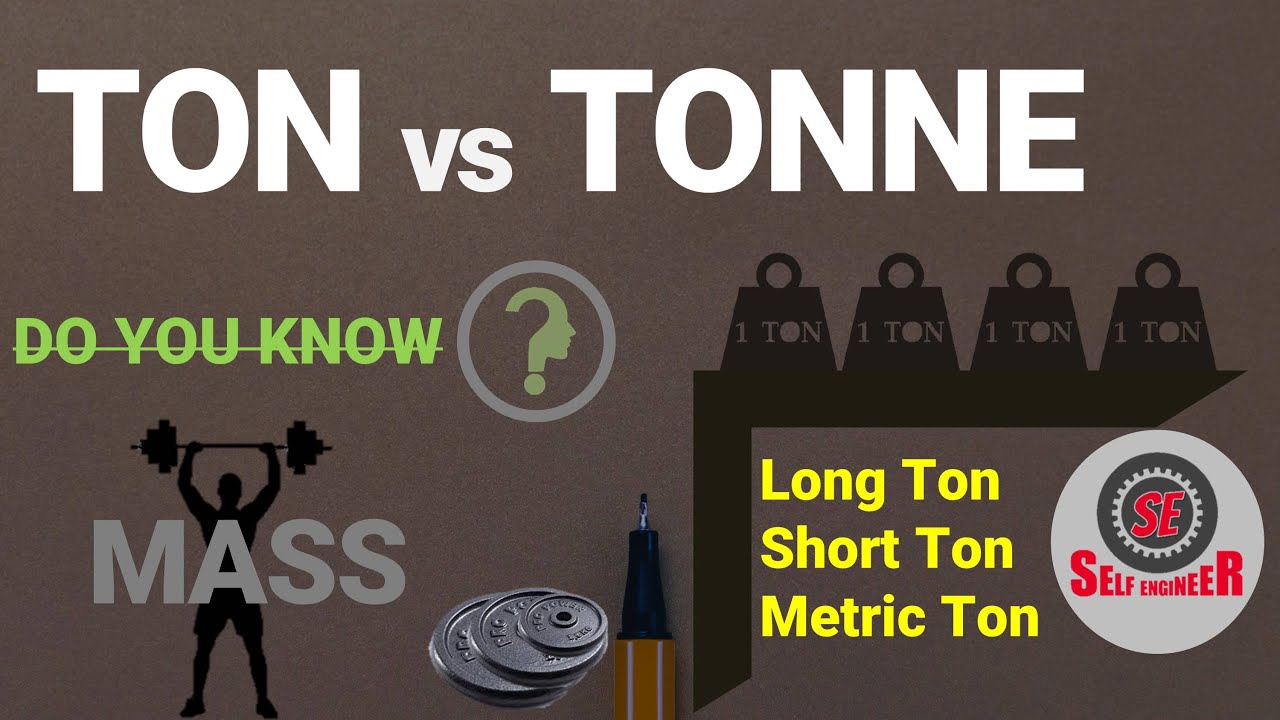
It’s also a fantastic party trick! Imagine casually dropping the fact that a "ton" isn't always a "ton." You'll instantly become the resident expert on obscure but fascinating measurement facts. It’s a conversation starter, a brain-teaser, and a testament to the fact that even in the most mundane topics, there can be hidden gems of information.
Think of the mild chaos, the slight confusion, the lighthearted "gotcha!" moments this difference can create. Did you order a ton of sand, or a slightly heavier ton of sand? The stakes might be low for your backyard sandbox, but for huge industrial shipments, it’s a friendly but firm reminder to always specify your units!

Always remember: a ton in New York isn't quite the same as a ton in London!
So, the next time you hear "ton," let your mind wander a little. Ask yourself, "Which ton?" It's not just a boring number; it's a tiny riddle, a cultural footnote, and a genuinely entertaining piece of trivia that connects us to different ways of measuring the world. It makes you curious, makes you think, and perhaps even inspires you to double-check those labels. Welcome to the wonderful, weighted world of tons!