Have you ever heard the word "ton" and just nodded along, thinking it meant "a lot"? Well, you’re not alone! But did you know there are actually a couple of fascinating characters hiding behind that simple word? And exploring their slight differences can be surprisingly entertaining. It’s like a little secret handshake for those in the know, a fun mental puzzle that brightens your day.
Imagine you're at a party. Someone mentions a giant shipment of widgets, weighing a "ton." Your brain might conjure up a huge, impressive number. But a different number pops into the mind of someone from, say, Canada or Europe! And that's where the magic begins. It’s not about who’s right or wrong; it’s about appreciating the quirky world of measurements and the subtle twists that make things so much more interesting.
Meet the Stars of Our Show: The Tons!
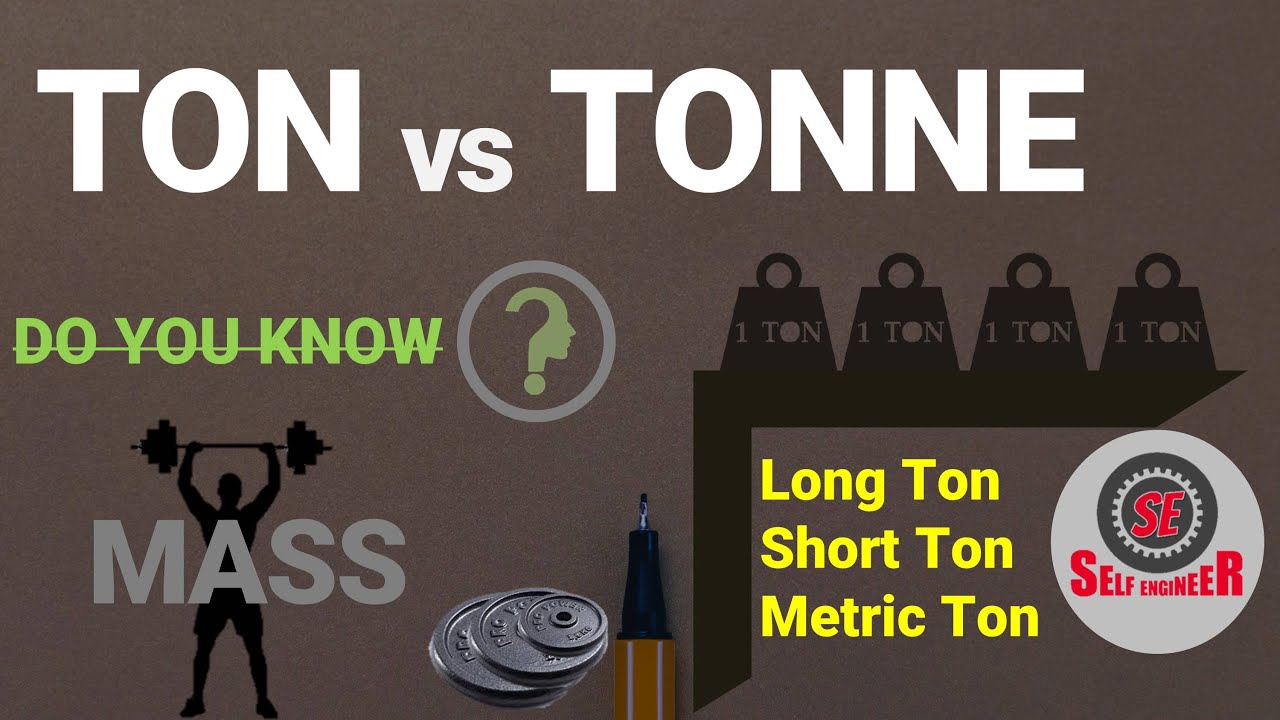
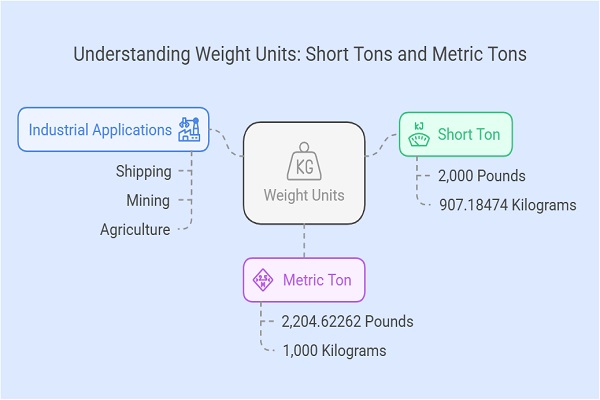
First up, we have the Short Ton. This is the friendly neighborhood ton you’ll often hear about if you're in the United States. When Americans talk about a ton, they're usually referring to this one. And how much does a Short Ton weigh? It's a neat 2,000 pounds. Think of a small car, maybe a very heavy one, or a truly massive pile of feathers. It’s a substantial amount, no doubt, and it’s very straightforward in the US system.
Then, making its grand entrance from the global stage, we have the Metric Tonne. Yes, you read that right – it has an extra 'e' at the end! This little 'e' is a clue that we’re dealing with the international system, the one based on easy-to-use tens. The Metric Tonne is the hero in most parts of the world, from Australia to Zimbabwe. It weighs in at exactly 1,000 kilograms. Now, to give you a sense of scale, 1,000 kilograms is roughly equivalent to about 2,204.6 pounds. See the subtle flicker of difference? That’s where the fun starts!
The Joy of the Tiny Twist
So, why is this small discrepancy so special? It’s because it turns a simple idea of "heavy" into a delightful little brain teaser. It highlights how different parts of our world measure things just a tiny bit differently. It's like finding out that a word you use every day has a slightly different meaning in another language – it makes you smile and appreciate the nuances.
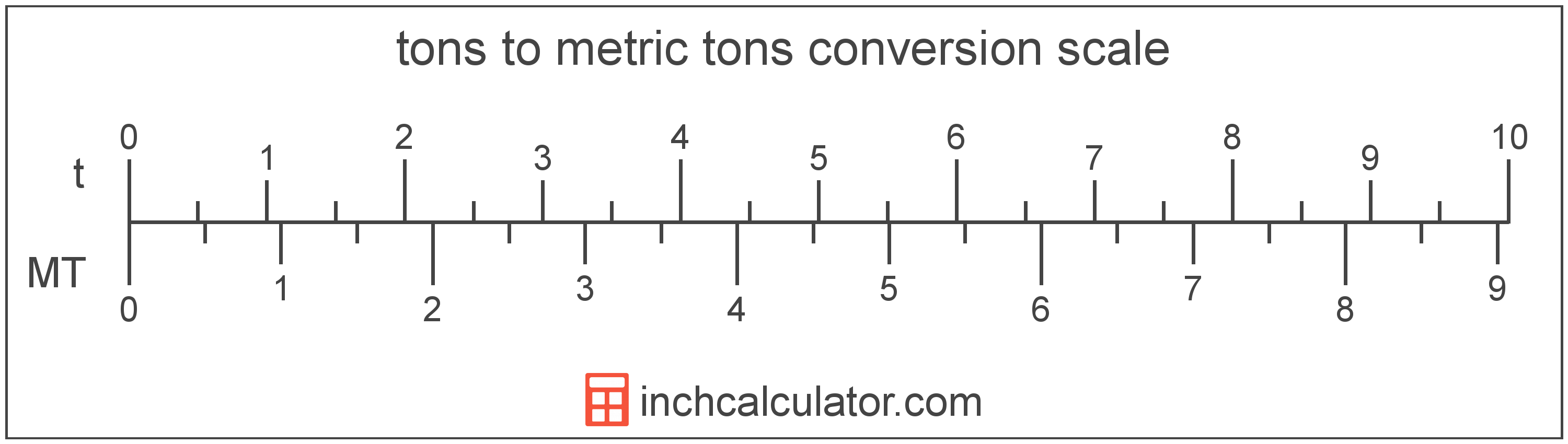
Metric Tons (Tonnes) to Tons Conversion (t to t)
Consider a massive whale. If someone says it weighs 10 tons, are they talking about 10 Short Tons (20,000 pounds) or 10 Metric Tonnes (22,046 pounds)? That difference, while not huge for a whale, can be pretty significant in other contexts. Imagine ordering a bulk delivery of something expensive! A small oversight could lead to interesting conversations, to say the least.
"It's like knowing a secret handshake – understanding the subtle difference between a Short Ton and a Metric Tonne adds a fun layer to how you perceive the world of weight."
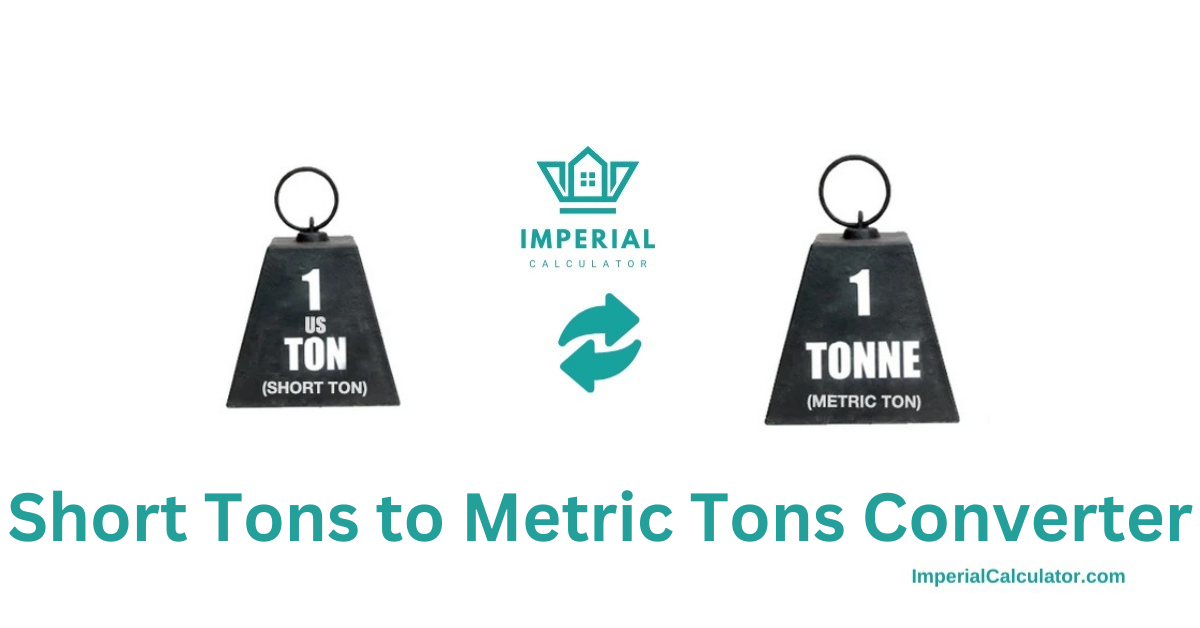
Short Tons to Metric Tons Converter - Imperial Calculator
This isn't about getting bogged down in complicated math. It's about recognizing that there's a charming little wrinkle in the fabric of global measurement. It makes you feel a bit like a detective, piecing together clues to understand the true "weight" of a statement.
Why This Puzzle is Pure Gold
Unraveling the mystery of the Short Ton versus the Metric Tonne is genuinely rewarding. It gives you a new appreciation for precision and the different ways we quantify the world around us. It's a tiny window into international communication and how we all try to make sense of things, sometimes with slightly different rulebooks.
How to convert between short tons and metric tons
This specific conversion is special because it’s not a huge, glaring difference. It’s just enough to make you pause, think, and then have that satisfying "aha!" moment. It’s a gentle reminder that clarity in communication, especially across borders, is super important – and it can also be quite amusing to discover these little quirks.
So next time you hear someone mention a "ton" of something, take a moment. You might just have a fun little internal debate about whether it's the US-friendly Short Ton or the globally-recognized Metric Tonne. It’s a small detail, but understanding it adds a surprising layer of depth to your everyday observations.
Why not dive a little deeper? A quick search can show you how this fascinating pair truly stacks up. You might find yourself smiling at the elegant simplicity of their differences and the stories they tell about our world. It's a simple concept, yet it holds a captivating charm. Go ahead, give it a ponder – you'll be glad you did!