Safest Colleges In The Us

Hey there! So, you're diving into the wild world of college applications, huh? Or maybe you're just dreaming about that perfect campus vibe? Whatever your reason, there’s one thing that probably pops up in conversations with parents (and, let's be real, maybe even in your own brain) more often than you’d think: safety. Yeah, yeah, I know. You're picturing your mom hovering with a flashlight, right? But seriously, finding a place where you feel secure can make all the difference in your college experience.
Think about it. When you feel safe, you can actually focus on, like, learning stuff! And making friends! And probably figuring out if that 8 AM class was a colossal mistake. Instead of, you know, constantly looking over your shoulder. Nobody wants that kind of stress when they're already trying to master the art of ramen noodle cooking.
Why Safety, Anyway? It's Not Just About Crime Stats!
Now, when we talk about "safest colleges," it’s not just about a low crime rate, although that's obviously a huge part of it. It’s about the whole vibe, the support system, the feeling that the campus actually cares about you. It's about being able to walk back from the library late at night without getting that little anxious flutter in your stomach. Or, you know, being able to leave your laptop unattended for two seconds without having a minor heart attack. (Okay, maybe don't actually do that last one. Common sense still applies!)
Must Read
It’s about things like well-lit paths, emergency blue light phones scattered around (even if you hope you never have to use one!), responsive campus security, and a community that looks out for each other. It’s like a warm, protective blanket, but, you know, in college form.
So, Who's Top-Tier Safe? Let's Spill the Tea!
Alright, you want names? While "safest" can shift a bit year to year, some schools consistently pop up on those lists. Think places like Brigham Young University (BYU) in Provo, Utah. Known for its strong community and, let's just say, a pretty buttoned-up culture, which often correlates with lower crime rates. Then there’s the University of Wyoming, out in Laramie. Big sky, smaller city feel, often translates to a very secure environment. Or how about schools like St. Mary's College of Maryland? Smaller, public liberal arts colleges in a scenic, more secluded setting often score high because of that tight-knit community feel and less urban hustle.
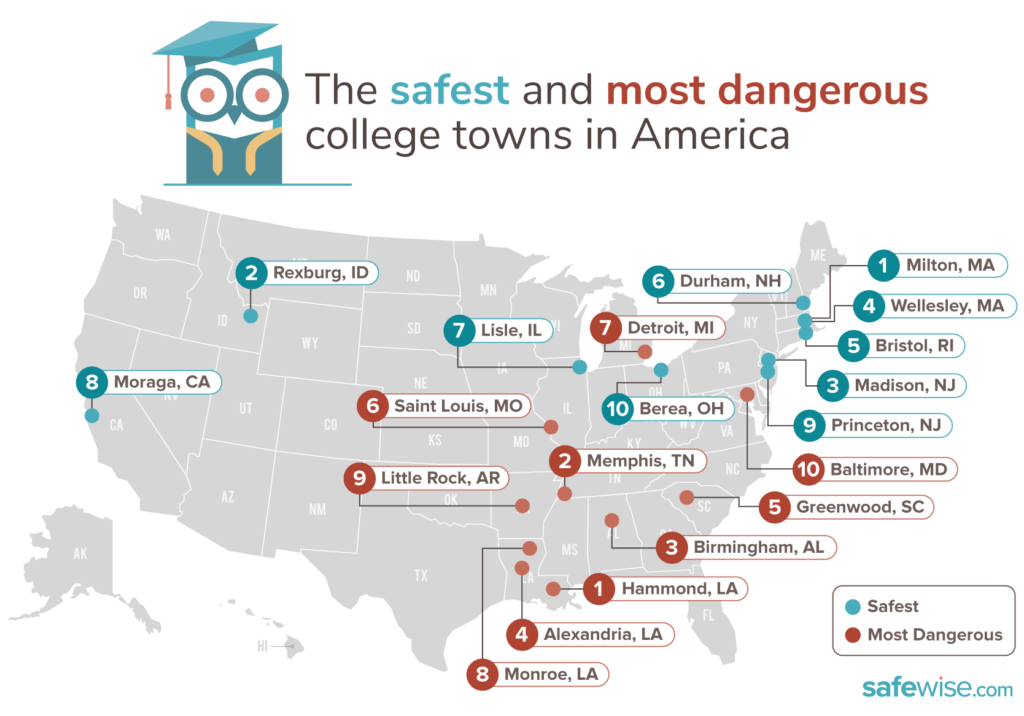
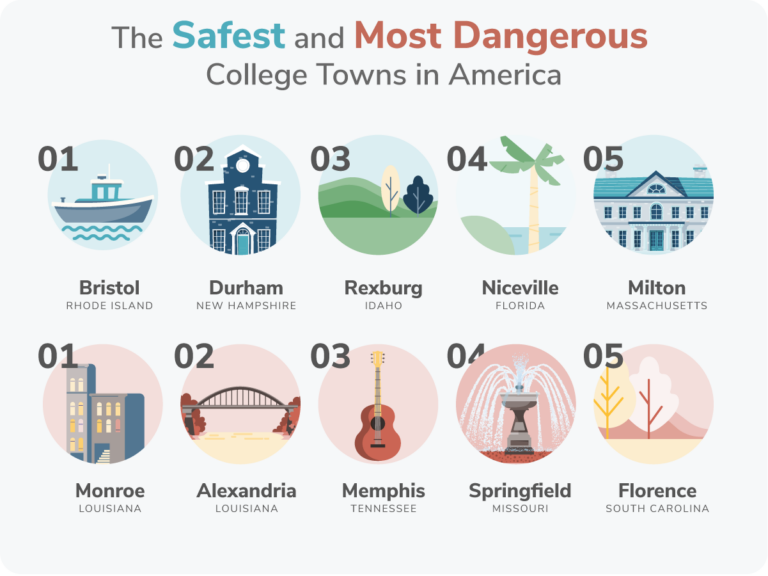
And let's not forget places like Biola University in California, another school with a strong community focus that often lands on these lists. Or Stonehill College in Massachusetts, which is a bit of a suburban gem. See a pattern emerging? Often, it's the schools that aren't smack-dab in the middle of a sprawling metropolis, or those with a very strong, values-driven community, that rise to the top. But don't misunderstand, being in a city doesn't automatically mean unsafe! It just means different considerations.
What Makes a Campus Feel Like a Hug (But, You Know, a Safe One)?
It’s not magic, folks. These schools put in the work! We're talking:
- Visible Campus Police/Security: They're not just hiding in an office; they're out and about, ready to help.
- Top-Notch Emergency Systems: Those blue light phones? Emergency alerts via text? Escort services? They've got 'em.
- Strong Community Bonds: When students, faculty, and staff feel like a family, they tend to look out for each other more. It's that "see something, say something" mentality, but with actual care behind it.
- Well-Maintained Grounds: Good lighting, clear pathways, less overgrown shrubbery for shadowy surprises. Little things that make a big difference.
- Proactive Wellness Programs: Supporting students' mental health and well-being can actually contribute to overall safety by fostering a healthier campus culture. Who knew, right?
Beyond the Blue Light Phones: Your Vibe Check Matters Too!
Now, while rankings are a great starting point, your personal "vibe check" is crucial. What feels safe to one person might not feel safe to another. Are you someone who thrives in a bustling city environment, or do you prefer the quiet calm of a suburban or rural campus? Both can be safe, but they offer different experiences.
When you're looking, don't just skim the headlines. Dig into the school's annual security report (they all have to publish one, thanks to the Clery Act!). Look at crime statistics, but also read about their specific safety initiatives. And if you can, visit the campus! Walk around, talk to students, get a feel for the place. Does it feel welcoming? Does it feel secure? Do people look like they're just... existing happily?
Ultimately, picking a college is a big decision, and feeling safe is a foundational piece of that puzzle. It lets you fully immerse yourself in the adventure, make mistakes, learn, grow, and maybe even find yourself, all without that nagging worry in the back of your mind. So go forth, explore, and find your perfectly safe (and probably awesome) college home!