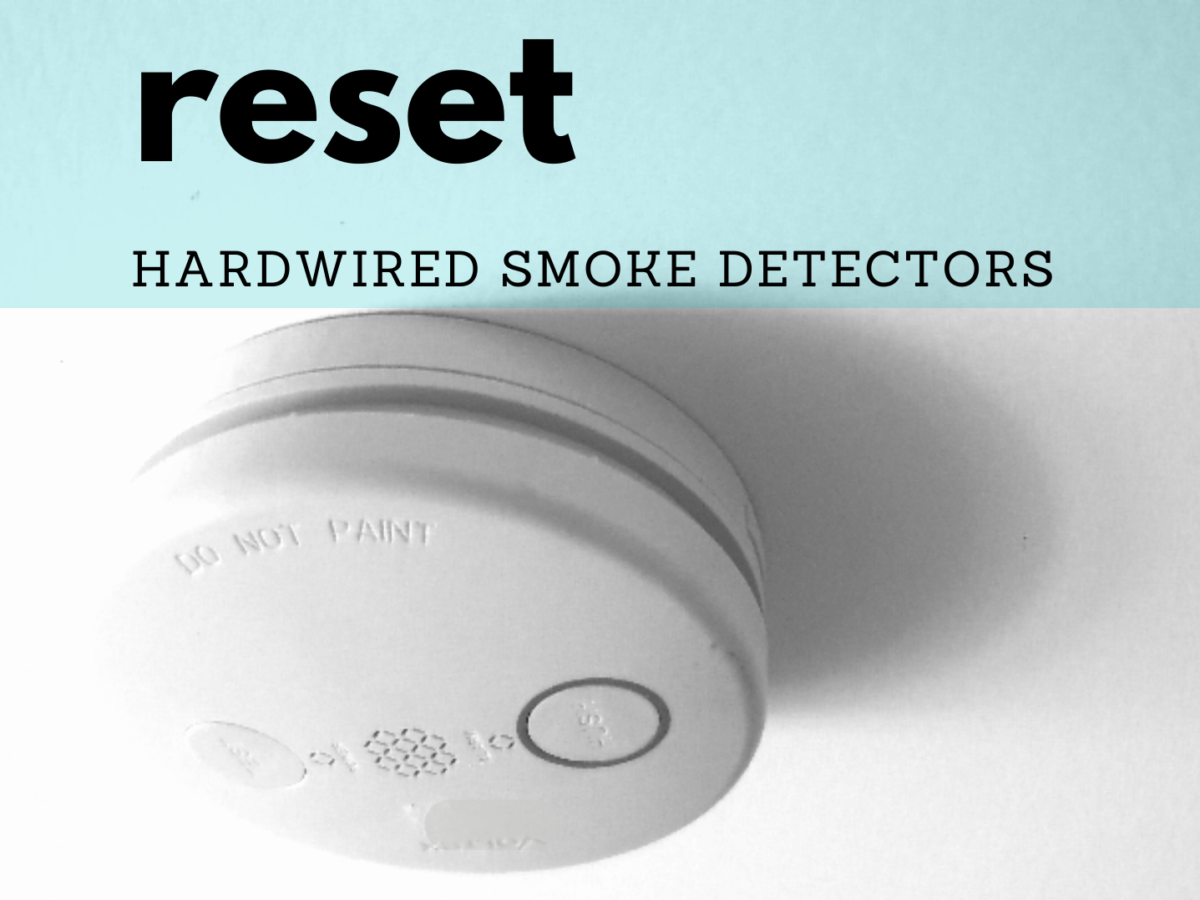
Reset Smoke Alarm After Battery Change
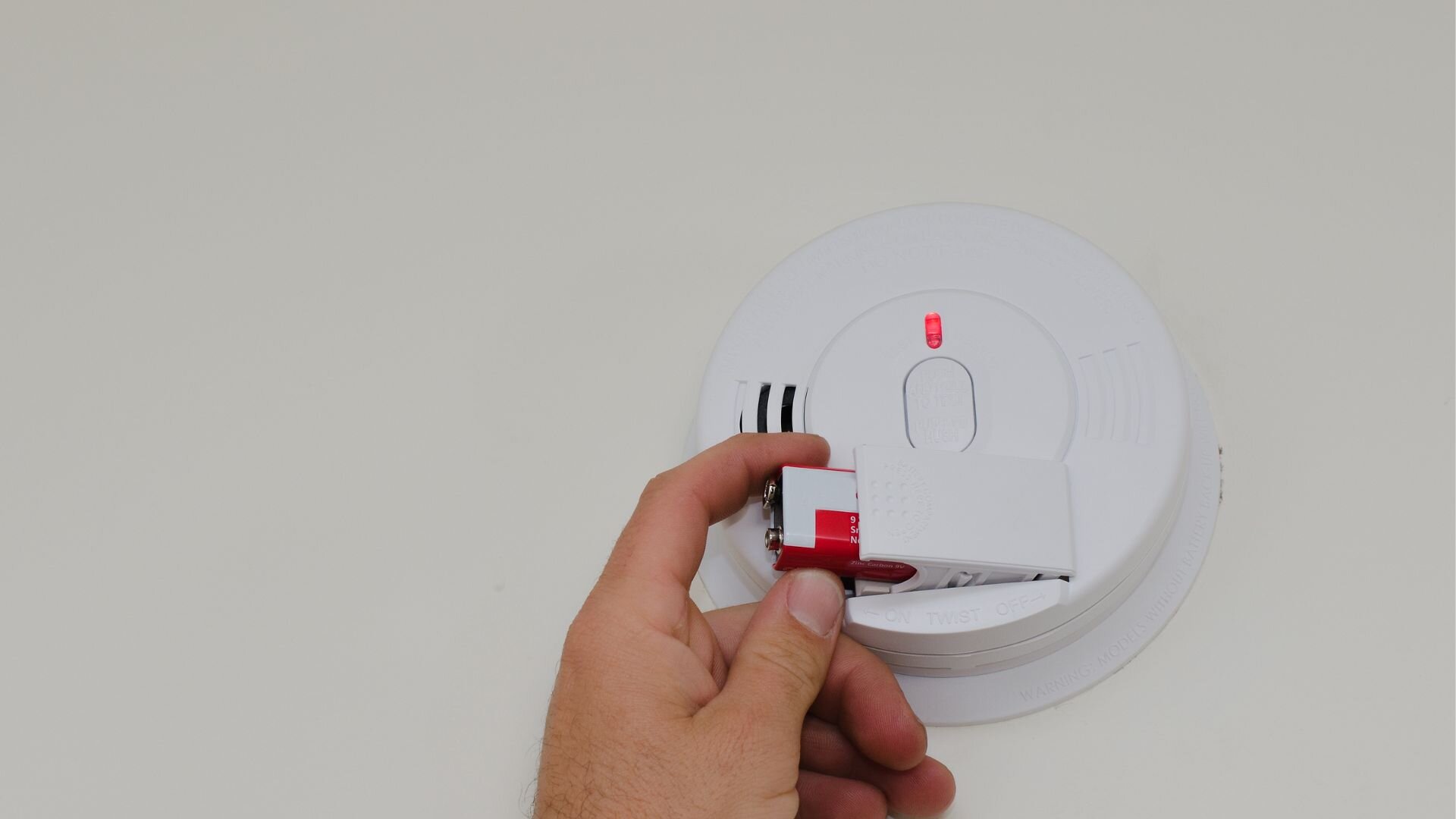
Ah, the unmistakable, persistent chirp. It’s a sound that’s launched a thousand midnight quests to the kitchen drawer, digging for that elusive 9-volt. The smoke alarm, that unsung hero perched on our ceilings, has decided it's time for a little attention. You’ve done the noble thing: braved the stepladder, swapped out the old battery for a shiny new one, and yet... chirp. What gives?
Don't fret! You're not alone in this miniature domestic drama. That little house sentinel isn’t being stubborn; it just needs a friendly nudge to remember its new lease on life. Think of it as hitting the reset button on a very important, very loud, tiny house guest. Let's get that peace and quiet back, shall we?
The Post-Battery Swap Blues: Why the Chirp Persists
You’ve just given your smoke alarm a fresh power source, so why the lingering complaint? Often, even after a new battery is installed, the alarm retains a residual electrical charge or a "memory" of the low battery warning. It’s a bit like your phone still showing a low battery icon for a split second after you've plugged it in – it just needs a moment to truly register the change. This "memory" needs to be cleared, ensuring your device knows it’s powered up and ready to go.
Must Read
Your Quick Guide to a Silent Sanctuary
Resetting a smoke alarm after a battery change is surprisingly simple, and it's a move that brings immediate gratification. No special tools, just a few moments of your time. Here’s the play-by-play:
Step 1: The Disconnect. First things first, carefully remove the smoke alarm from its mounting bracket on the ceiling. Most simply twist off counter-clockwise. If your alarm is hardwired (meaning it's connected to your home's electrical system in addition to having a battery backup), you'll also need to disconnect the power connector. Safety first, always!
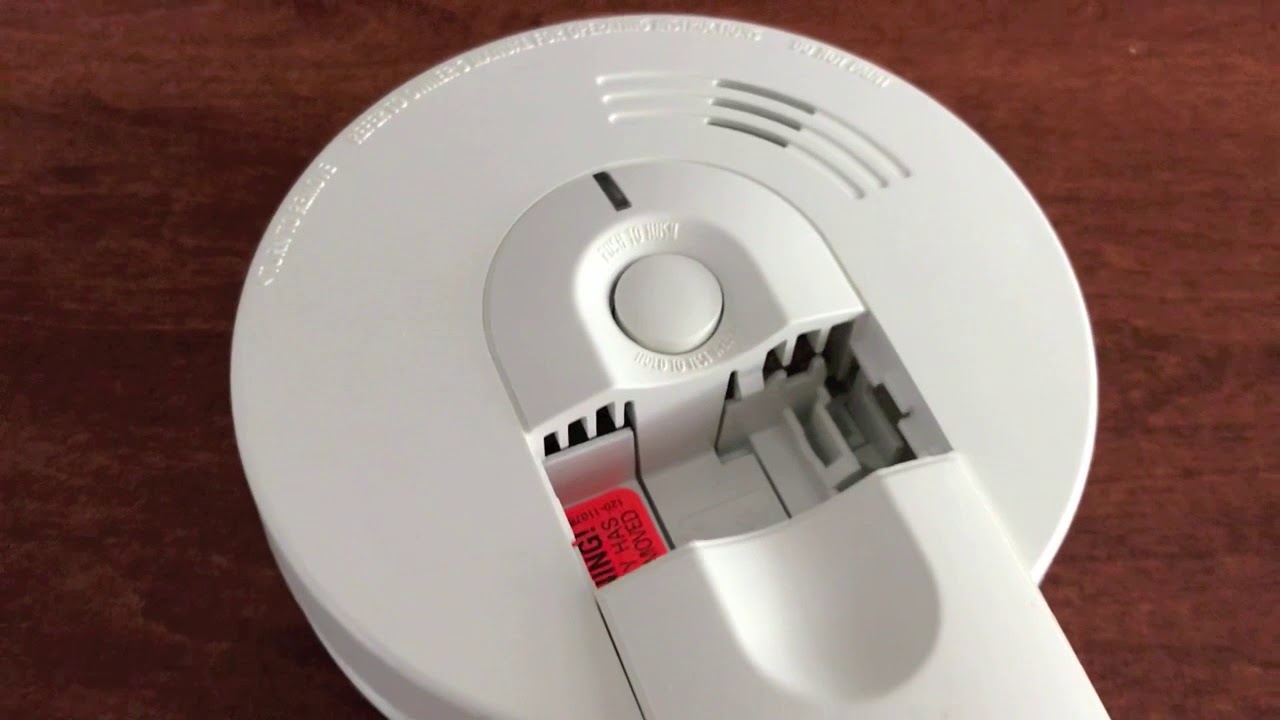
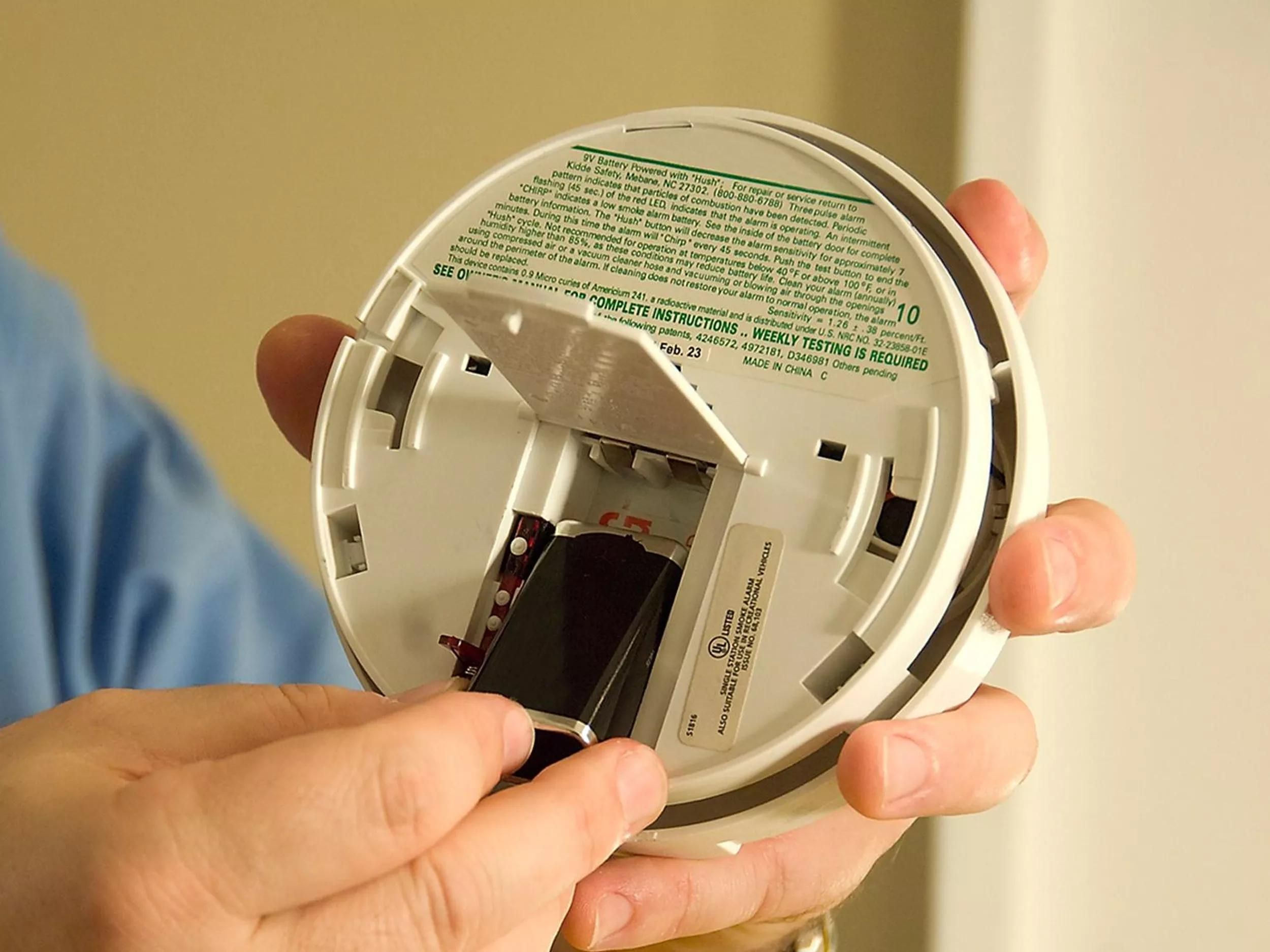
Step 2: Battery Out, Power Drain. With the alarm in your hand, remove the new battery you just put in. Yes, temporarily. Now, here’s the crucial part: press and hold the "Test" button for 15-20 seconds. This action drains any residual power from the unit's capacitors, effectively clearing its memory and forcing a hard reset. You might hear a final, faint chirp as the last bit of energy escapes – a true swan song of the old charge!
Step 3: Fresh Start. Reinsert the new battery, making sure it's oriented correctly (positive to positive, negative to negative). Give that "Test" button another quick press. You should hear a loud, clear alarm for a few seconds, indicating it's working perfectly.
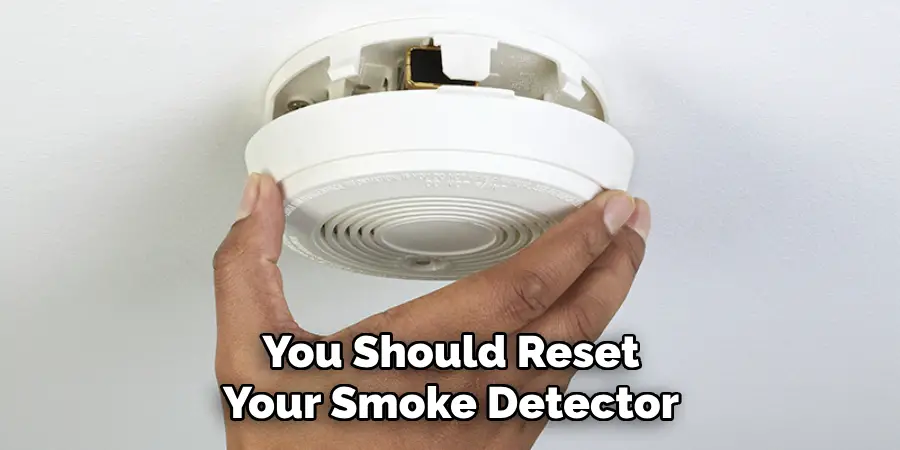
Step 4: Reconnect and Restore. If your alarm is hardwired, reconnect the power connector. Then, twist the alarm back onto its mounting bracket. If all goes well, the persistent chirping will be gone, replaced by the beautiful sound of... nothing. Ah, bliss!
When Your Alarm Is Still Feeling Stubborn
What if, after all that, your little house sentinel still decides to vocalize its discontent? Don't despair! A few other factors might be at play:
- Dust Bunnies: Sometimes, dust or debris can interfere with the sensor. A quick vacuum or blast of compressed air can clear things up.
- Wrong Battery: Double-check that you're using the correct type and size of battery specified by the manufacturer. While many use 9-volt, some modern units take AA or AAA.
- End of Life: Smoke alarms aren't immortal. Most have a lifespan of about 10 years from their manufacture date. Check the date on the back of the unit. If it's past its prime, it's time for a replacement. Think of it as retiring a trusty old friend!
A Little History & Why We Care
Did you know that standalone smoke detectors only became widely available for residential use in the 1970s? Before that, home fire safety was a far less sophisticated affair. Today, these devices are a cornerstone of home safety, literally saving thousands of lives annually by giving precious early warning. It’s like having a tiny, dedicated guardian on duty 24/7. So, while a chirping alarm can be annoying, it's ultimately a reminder of their vital importance.
Remember to test your smoke alarms monthly by pressing the test button, and change batteries at least once a year (many recommend doing it when you change your clocks for Daylight Saving Time – a handy memory jog!).
A Final Reflection
Dealing with a finicky smoke alarm might seem like a small, mundane task, but it’s actually a beautiful metaphor for life. Sometimes, even when we’ve done the "right" thing – like putting in a new battery – we still need to take that extra step, that moment to reset, to clear the old energy and truly embrace the new. Whether it's a digital device, a personal habit, or even our mindset, a good reset can often be the key to peace, quiet, and smooth operation. So here's to those little acts of home maintenance that ultimately keep our lives running safely and serenely.