
Research Questions For Qualitative Research
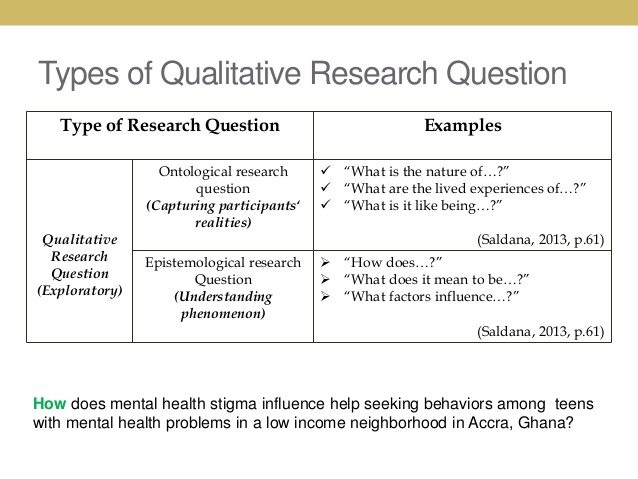
Ever felt like diving into a mystery? Like becoming a detective, but with ideas instead of clues? That's kind of what crafting qualitative research questions feels like!
Forget rigid numbers and predictable graphs. We're talking about exploring the messy, beautiful, unpredictable world of human experience. This is where the real stories live!
The Quest Begins: Asking the Right Questions
It all starts with a question. But not just any question. We need questions that are open-ended. Think of it like throwing a party – you want everyone to join in the conversation!
Must Read
Forget "yes" or "no" answers. We want stories, opinions, and deep dives into why people think and feel the way they do. We're digging for gold!
Unlocking the "Why" and "How"
Imagine you're curious about how people experience online learning. A boring question would be: "Do you like online learning?" Snooze!
Instead, try something like: "How has online learning changed your approach to education?" or "What are the biggest challenges and rewards of learning online?" Now we're talking!
These questions invite people to share their personal journeys. It's like unlocking a treasure chest of insights!

The Secret Sauce: Words That Spark Curiosity
The best qualitative research questions use specific, evocative words. These are the words that make people pause and think, "Hmm, that's interesting!"
Think about words like "explore," "discover," "understand," and "describe." These are invitations to share, not commands to answer.
For example, instead of asking "What are your thoughts on climate change?", try "How does climate change impact your daily life and your hopes for the future?" See the difference?
Less About Counting, More About Connecting
Qualitative research isn't about counting heads or calculating averages. It's about building bridges of understanding.
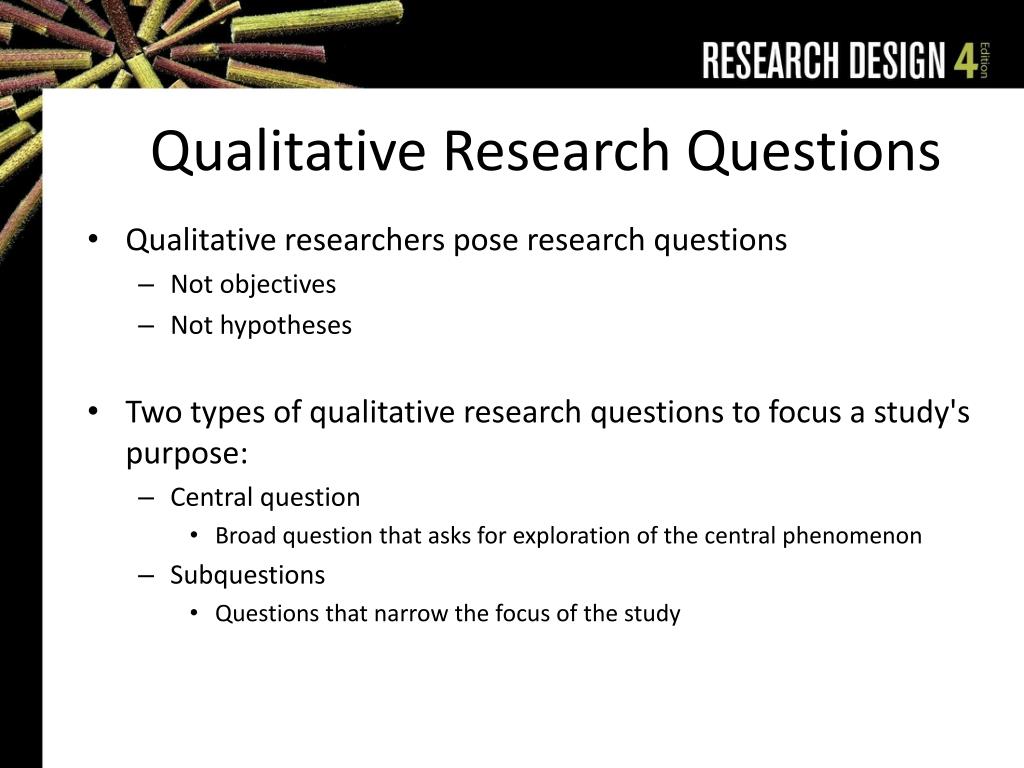
It's about connecting with people on a human level and hearing their stories with empathy. It's about truly listening.
That's why the questions we ask are so crucial. They set the stage for meaningful conversations.
Examples to Ignite Your Imagination
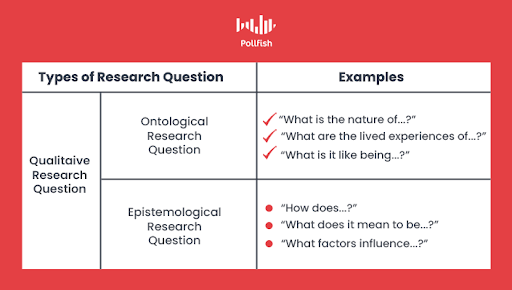
Let's say you're interested in the experience of being a first-time parent. Forget the statistics! Let’s dive into lived experiences!
Instead of "How many hours of sleep do you get?", try "What has surprised you most about becoming a parent, and how has it changed your perspective on life?". Much more juicy!
Or perhaps you're curious about how people experience art. Don't ask "Did you like the museum?". Ask, "What emotions did you experience while viewing Van Gogh's Starry Night, and how did it resonate with your personal experiences?".
Making It Personal: The Researcher's Role
Remember, you, the researcher, are part of the equation. Your own curiosity and perspective shape the questions you ask and the way you interpret the answers.
Embrace your own biases and assumptions. Acknowledge them, so you can see past them. It’s an act of radical honesty with yourself.
This self-awareness helps you ask better questions and understand the data more deeply. It adds another layer of richness to the research.
Beyond the Survey: Getting Creative
Qualitative research isn't just about surveys and interviews. It can also involve observation, focus groups, and even analyzing texts and images.
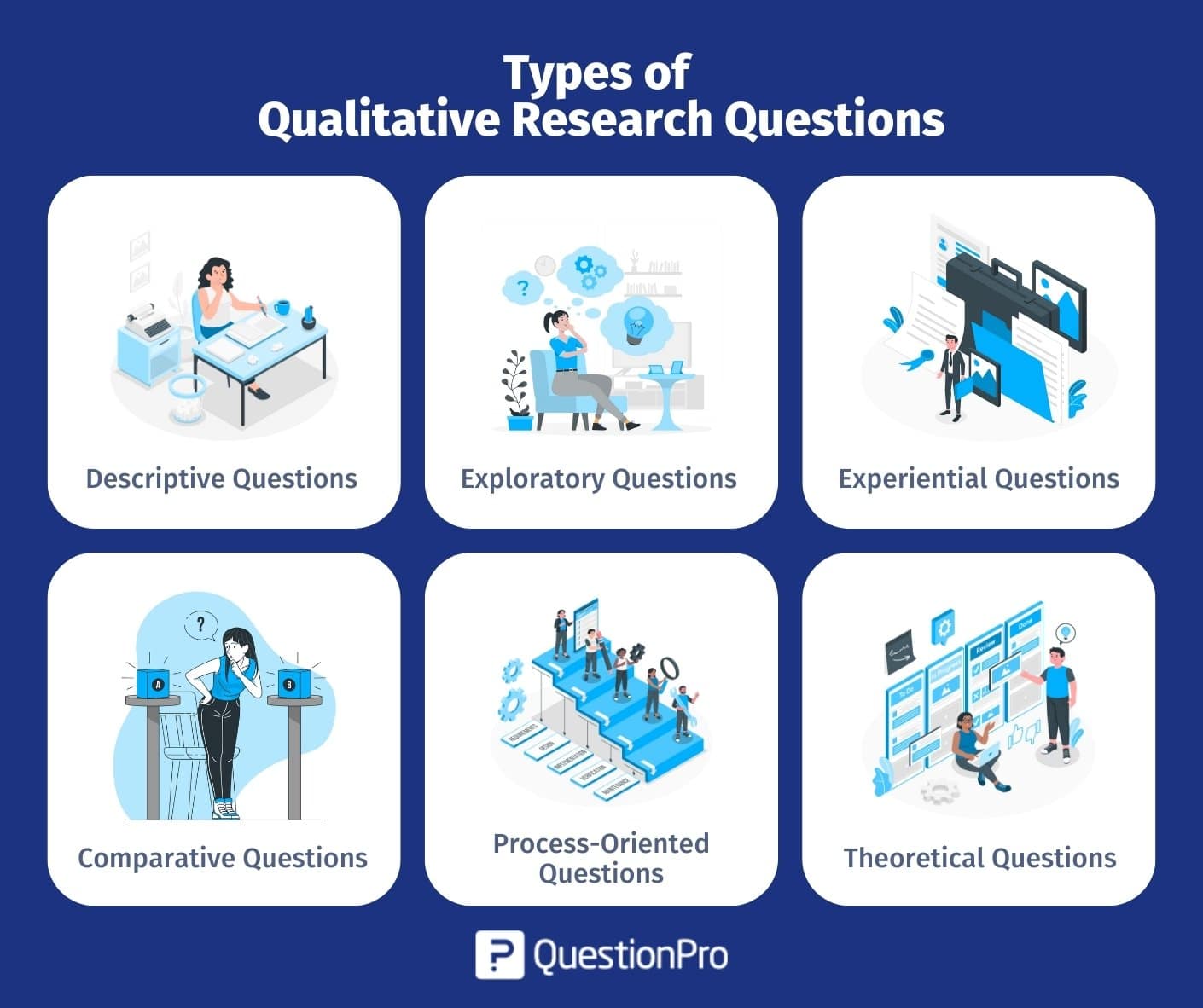
The possibilities are endless! The key is to choose methods that allow you to explore your research question in a meaningful way.
Think outside the box! Get creative! Let your curiosity be your guide.
The Power of Open-Ended Inquiry
The beauty of qualitative research is its flexibility and adaptability. You can change your questions as you go along, based on what you're learning.
This iterative process allows you to delve deeper into the subject matter. It can lead you to unexpected and fascinating discoveries.
So, embrace the unknown! Be open to surprises! And let the questions lead you on an exciting journey of discovery. It’s a fascinating world of subjective understanding that is well worth the exploration. It’s an adventure, so have fun! Maybe even learn something about yourself along the way.