Replacing Battery In Honeywell Thermostat
Ah, the humble thermostat. It sits there, often unnoticed, a silent sentinel of your home's comfort. We rarely give it a second thought, that is, until it decides to throw a tantrum. But when it works, oh, the bliss! Imagine stepping out of a frigid winter morning shower into a perfectly toasted living room, or escaping a sweltering summer day into a refreshingly cool haven. This isn't magic; it's the quiet, consistent work of your thermostat, ensuring your domestic sanctuary is always at its ideal temperature. It’s the unsung hero keeping your pipes from freezing, your pets from overheating, and your family from endless complaints about being too hot or too cold.
The beauty of a modern thermostat, especially a reliable Honeywell model, lies in its ability to orchestrate your environment with precision. It doesn't just make you comfortable; it helps you be energy-efficient, saving you money by not needlessly heating or cooling an empty house. Setting schedules, adjusting temperatures from your phone, or simply nudging it a degree or two – these are the small but significant ways we exercise control over our immediate world. It’s a device that truly embodies the saying, "home is where the heart is," by making sure your home feels just right, every single day. From the pre-dawn chill to the post-dinner wind-down, your thermostat is tirelessly working to maintain your chosen climate, a silent partner in your everyday comfort.
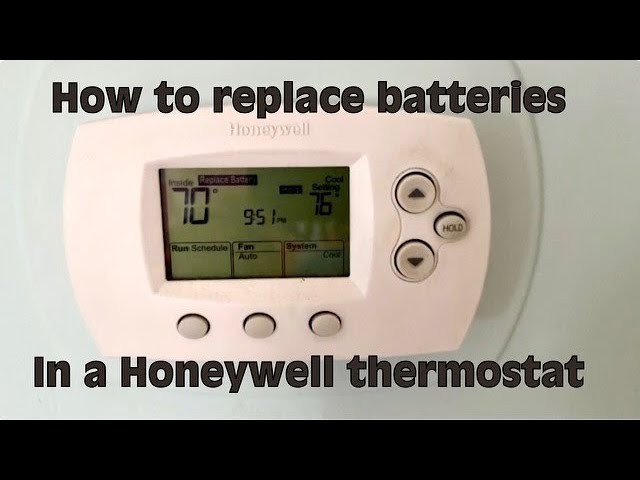
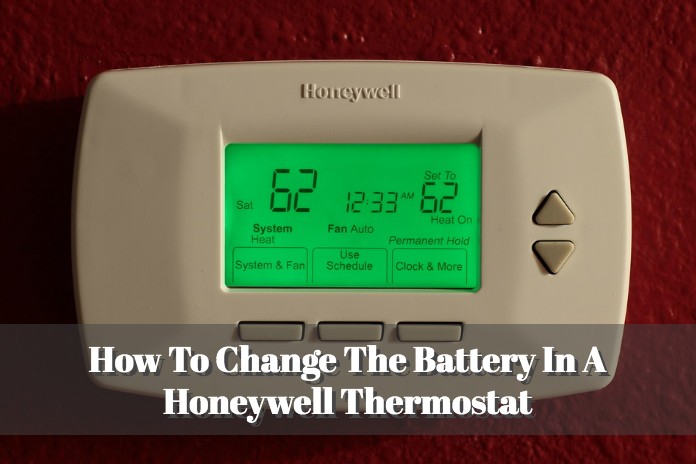
But like all heroes, even the most steadfast thermostat has a kryptonite: a dead battery. It’s a common scenario. You wake up shivering, glance at the wall, and there it is: a blank screen, or perhaps a faint, blinking low battery icon. Panic might set in. Is the furnace broken? Is the AC kaput? More often than not, it's a simple case of needing a battery swap. Think of it as a small, heroic act you can perform to restore order to your home. This isn't a job for a professional HVAC technician; it's a rite of passage for every homeowner, a tiny moment of DIY empowerment that brings immense satisfaction.
Must Read
So, how do you conquer this minor domestic drama and keep your home's climate control running smoothly? Here are some practical tips to make the Honeywell thermostat battery replacement a breeze, ensuring you enjoy uninterrupted comfort:
- Don't wait for the blank screen: Most Honeywell thermostats will display a low battery indicator – often a small battery icon – long before they completely die. Think of it as a gentle nudge, a polite request for fresh power. When you see it, don't procrastinate!
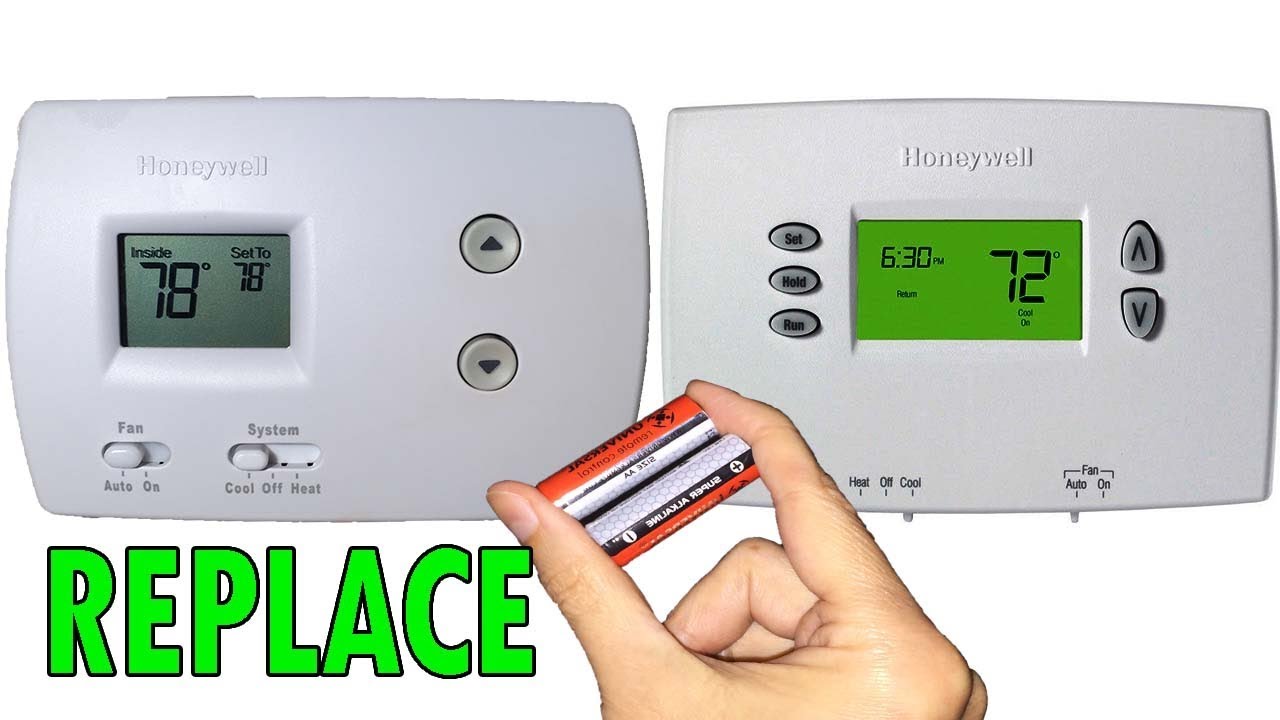
- Know your battery type: While many Honeywell models use standard AA or AAA batteries, it's always good practice to check your specific model's manual (or simply look at the old batteries when you remove them). Having the correct spares on hand is a game-changer.
- Keep spares handy: Designate a drawer or shelf for essential household batteries. Nothing is more frustrating than needing batteries and realizing you don't have them. Be prepared, like a domestic scout!
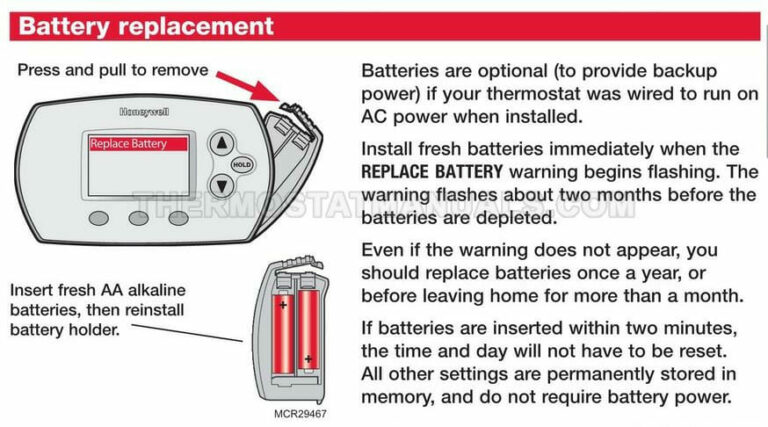
- The simple swap: For most Honeywell thermostats, the battery compartment is either on the side, bottom, or behind the front panel which often pulls directly off or swings open. Carefully remove the old batteries, noting their orientation (+/-), and snap in the fresh ones. You might hear a satisfying click, and watch as your thermostat screen springs back to life, ready to serve!
- A fresh start: After replacing the batteries, take a moment to ensure your schedule settings are still correct. Sometimes, older models might default to factory settings, but modern ones usually retain them. This is also a great opportunity to adjust your energy-saving schedule for the upcoming season.
Embracing this small maintenance task is more than just changing batteries; it's about taking proactive control of your home's comfort system. It's a simple, empowering act that ensures your Honeywell thermostat continues its vital mission, keeping your home a perfectly tempered haven, exactly how you like it. You're not just replacing batteries; you're restoring peace of mind, one alkaline cell at a time!