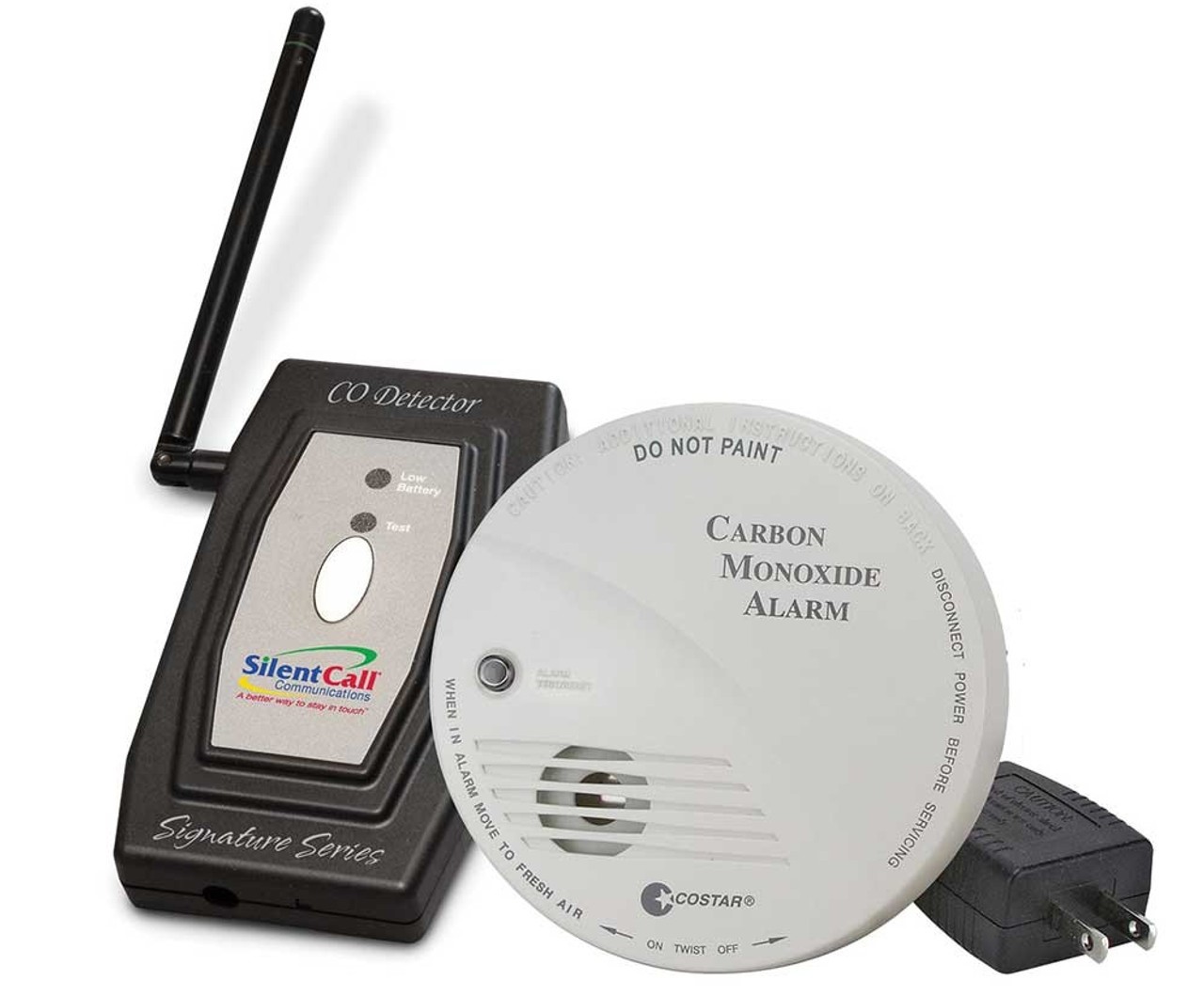
Replacing Batteries In Carbon Monoxide Detector

Ah, the sweet symphony of home, broken only by... chirp. Oh, you know the sound. That tiny, insistent, utterly maddening beep that starts somewhere around 3 AM and instantly transforms you from a peacefully slumbering human into a wide-eyed, slightly frantic detective. It's the sound of a battery dying a slow, dramatic death, and it usually means only one thing: your carbon monoxide detector is ready for a refresh.
The Midnight Mystery Tour
Let's be real, this isn't usually a planned event. One minute you're dreaming of fluffy clouds, the next you're bolt upright, ears perked like a meerkat, trying to pinpoint the source of the infernal noise. Is it the smoke detector in the hallway? The one in the kitchen? Is it even in your house, or has a particularly distressed robotic bird taken up residence next door? You wander through the dark, waving your hands wildly, hoping to magically silence the ghost in the machine.
It's a bizarre form of hide-and-seek, where the "it" is a tiny, electronic cricket, and the prize is the blissful return of silence. You press buttons on random devices, hoping for a miracle. You might even unplug the fridge, just in case. Don't worry, we've all been there. It’s a rite of passage for every homeowner.
Must Read
The Culprit Revealed: Not Your Average Smoke Detector
Eventually, usually after stubbing a toe or two, you find it. Perched innocently on a wall or ceiling, distinct from its smoke-detecting cousin, is the carbon monoxide detector. It's often a different shape or has different buttons, but the message it's chirping is universal: "Feed me!" You might even notice a little yellow light flashing, like a tiny, desperate beacon in the night. "Ah," you think, "so it was you all along, you sneaky little guardian."
The first wave of annoyance gives way to a tiny surge of relief. At least you know what it is! Now for the actual "work" part, which, let's face it, usually involves a quick internal monologue about whether you even have the right battery. It's often a 9-volt, sometimes a couple of AAAs, or the dreaded D-cell. Why, oh why, are they never all the same?

The Great Battery Hunt (Often a Mini Quest)
This is where the true adventure begins. You remember seeing a pack of batteries in that one kitchen drawer, or maybe in the junk drawer in the garage. But do you have the right kind? This can escalate into a full-blown scavenger hunt, especially if it's past midnight. There's nothing quite like the feeling of triumph when you unearth a fresh 9-volt battery from the bottom of an old flashlight drawer, still in its pristine packaging. It's like finding buried treasure, only less shiny and more... essential.
If you don't have it, well, that's a problem for morning you. For now, you might resort to a temporary fix: usually a strategic whack, or, if you're feeling particularly daring, removing the old battery just to get some peace and quiet, promising yourself you'll replace it first thing. (We all know how that goes, right?)
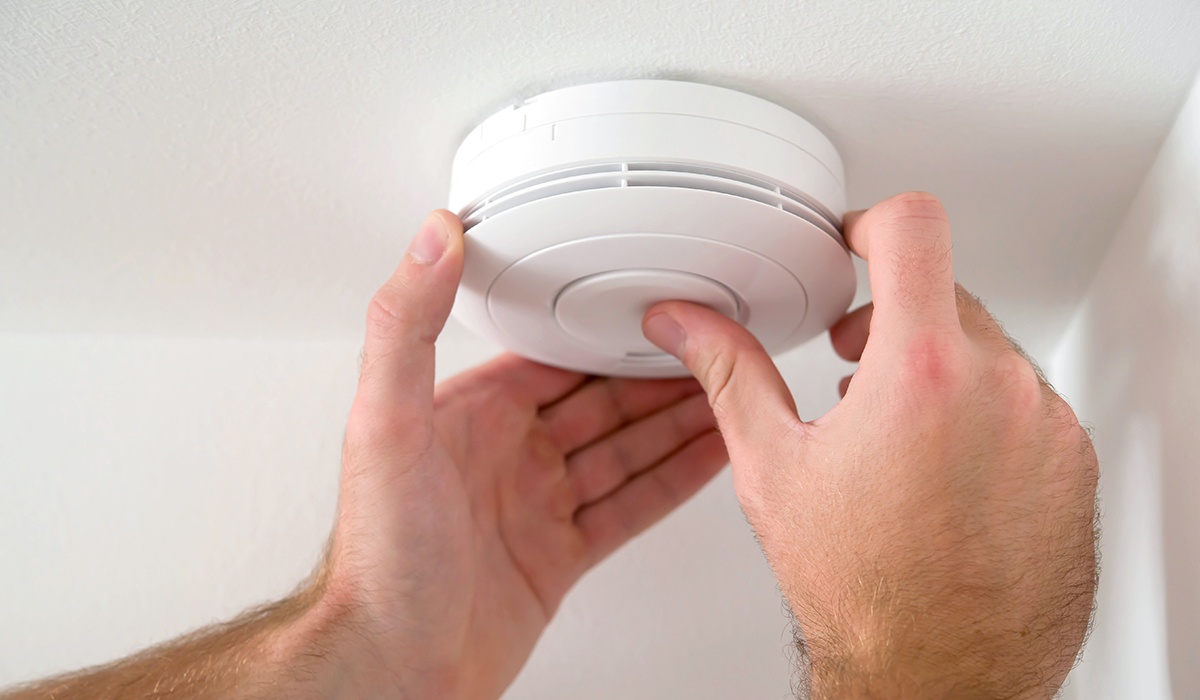
The Simple Swap: Easier Than Assembling IKEA Furniture
Good news! Replacing the battery in a carbon monoxide detector is usually incredibly straightforward. Most models have a little compartment that slides open or a cover that twists off. You pop out the old, exhausted battery (give it a respectful nod for its service), and snap in the new, energetic one. You’ll hear a satisfying little click or a brief burst of beeps as it powers up, letting you know it's back in business.
Sometimes there's a test button too. Give it a push! A loud, sustained alarm will confirm everything is working as it should. It's a quick blast of noise, but it's the good kind of noise – the "I'm protecting you" kind. High five yourself. You're basically a certified technician now.

Why This Tiny Annoyance Matters
While the chirp is annoying, it's a vital little messenger. Carbon monoxide is often called the "silent killer" because it's odorless, colorless, and tasteless. Your detector is your home's unsung hero, constantly sniffing the air and standing guard. A dying battery means it can't do its job, and that's a risk we definitely don't want to take. So, while you might grumble when it starts its midnight serenade, remember it's looking out for you.
The Sweet Reward: The Quietest Symphony
And then, the moment of truth. You replace the cover, clip the detector back into place, and... silence. Absolute, glorious, unadulterated silence. It's more beautiful than any concerto, more soothing than any lullaby. You climb back into bed, feeling a profound sense of accomplishment. You've tamed the electronic beast, solved the midnight mystery, and ensured your family's safety. You're a hero in your own home, and you deserve that extra half-hour of sleep.
So next time that little chirp starts, don't despair. Grab your trusty screwdriver (or just your fingernail), locate that elusive battery, and relish the satisfaction of a job well done. It's a small task, but an important one, and now you can go back to dreaming of fluffy clouds, knowing your silent guardian is wide awake and on duty.