Regulated Vs Deregulated Energy Markets
Hey there, fellow curious mind! Ever flick a light switch, charge your phone, or crank up the AC without a second thought about where that energy comes from, or more importantly, who decides how much you pay for it? It might sound like a dry topic, but trust me, delving into the world of regulated versus deregulated energy markets is surprisingly fascinating and incredibly relevant to your daily life. It’s like peeking behind the curtain to understand the invisible forces shaping our modern world, from your monthly utility bill to the push for greener energy.
At its core, this topic explores different ways governments and markets organize the production and distribution of electricity and natural gas. Think of it this way: In a regulated energy market, one primary utility company handles everything – generating power, transmitting it across lines, and delivering it directly to your home. This utility is typically a natural monopoly, and its prices and operations are heavily overseen by a government body, often a Public Utility Commission (PUC). The main purpose here is stability, ensuring reliable service for everyone at what's deemed a fair price, protecting consumers from potential price gouging by a sole provider.
On the flip side, a deregulated energy market introduces competition. Here, the generation of power is separated from its transmission and delivery. You might have multiple companies competing to sell you electricity or gas, even if the wires and pipes that bring it to your door are still managed by a single entity. The benefit? Choice! Companies vie for your business, potentially leading to lower prices, innovative service plans (like those focused on renewable energy), and improved customer service as they compete to win and keep you as a customer. It's about letting market forces drive efficiency and innovation.
Must Read
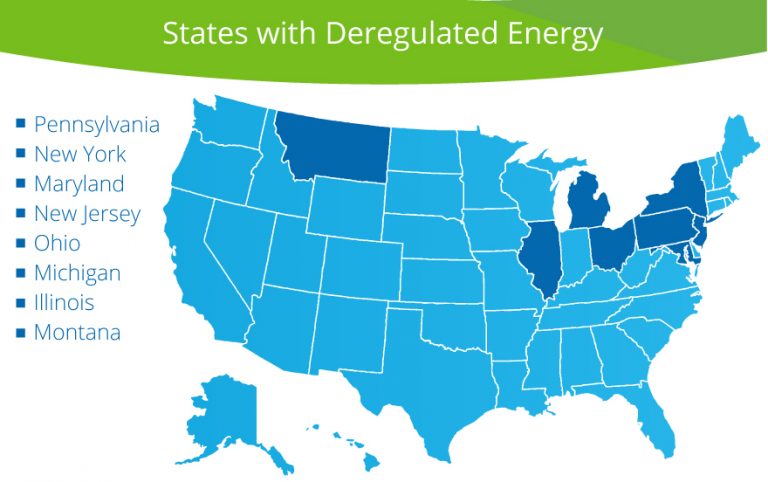
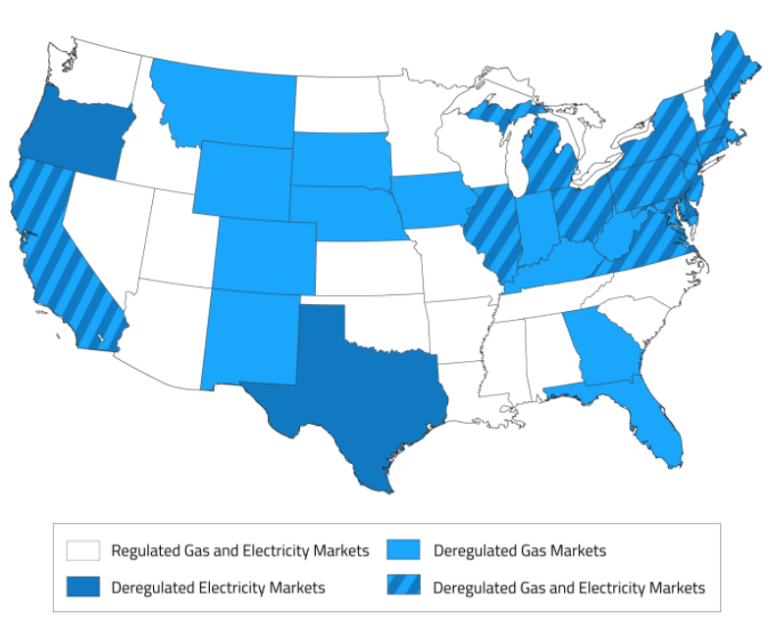
You encounter these concepts daily without even realizing it. In a regulated state, your electricity bill comes from one company, and the rates are set by a state commission. If you live in a deregulated area, like parts of Texas, Ohio, or Pennsylvania, your bill might show charges from different companies – one for supplying the energy and another for delivering it. You might even switch energy suppliers in search of a better deal or to support a company that offers 100% green energy options. For educators, these markets provide fantastic real-world examples for economics classes, illustrating supply and demand, government intervention, and market structures.
Want to explore this yourself? It's simple! Start by grabbing your latest electricity or natural gas bill. Look closely: does it list only one company for everything, or does it separate the "supply" charge from the "delivery" charge? That's your first clue! Then, a quick internet search for "energy deregulation in [Your State]" will tell you whether your area is regulated or deregulated. If it's the latter, spend a few minutes browsing different energy supplier websites in your zip code – you might be surprised by the choices and competitive rates available! Understanding these markets isn't just about saving a few bucks; it’s about understanding the complex web that powers our lives and influences our collective energy future.