Refrigerator Energy Consumption In Watts
Our trusty refrigerators, those silent sentinels of snack security, are always there for us. They keep our milk cold, our veggies crisp, and our ice cream perfectly scoopable. But have you ever paused to think about what they're really up to behind the scenes, especially when it comes to munching on electricity? Diving into the world of a refrigerator's energy consumption in watts might sound a bit dry, but trust me, it’s a surprisingly fun and practical journey into understanding your home’s hidden energy habits!
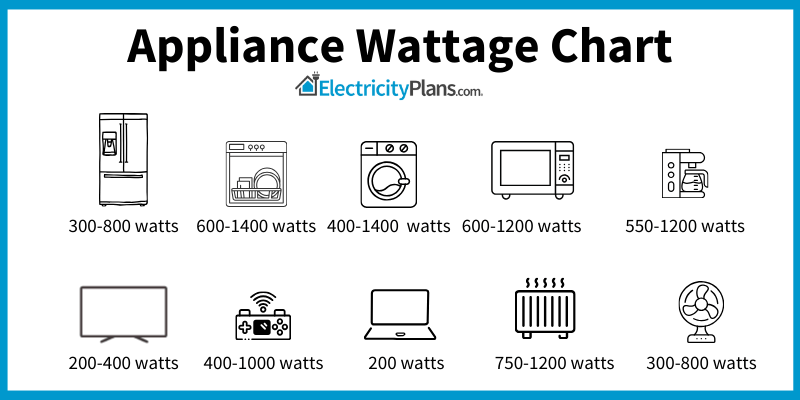
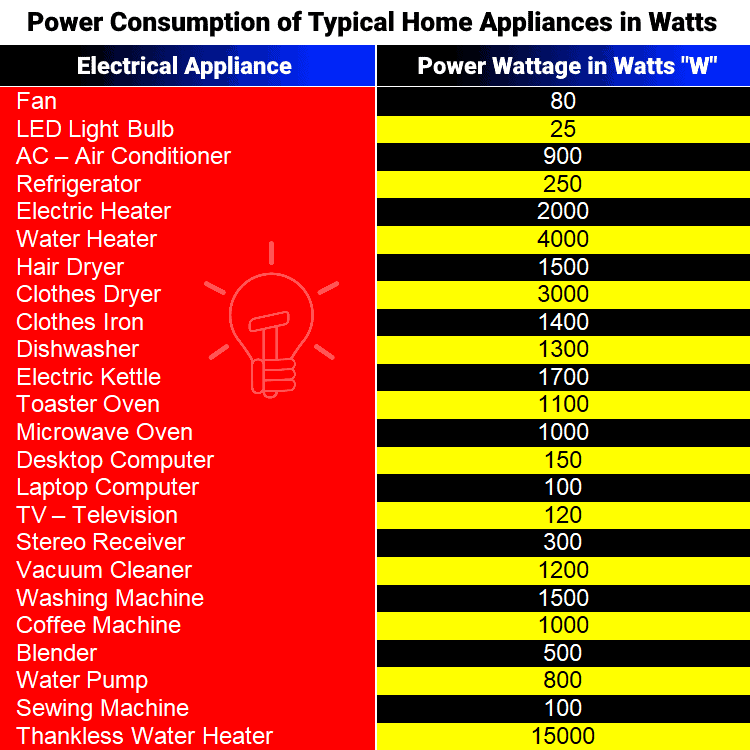
So, what exactly are we talking about when we mention "watts" for your fridge? Simply put, a watt is a unit of power that tells us how much electricity an appliance is using at any given moment. Think of it like a car's speedometer, but for electricity – it measures the rate at which energy is being consumed. Understanding your fridge's wattage isn't just about satisfying a curious mind; it comes with some real, tangible benefits. The primary purpose is to empower you with knowledge. Armed with this understanding, you can make smarter choices that lead to significant savings on your electricity bill. It’s a bit like becoming an energy detective in your own home!
The benefits extend beyond your wallet, too. By knowing which appliances are energy hogs, you can contribute to a greener planet by reducing your overall carbon footprint. It also makes you a more informed consumer, helping you pick out truly energy-efficient appliances when it’s time for an upgrade. A fridge that's suddenly drawing significantly more watts than usual might even be giving you an early warning sign that something isn't quite right, potentially saving you from a costly repair or a spoiled food situation down the line.
Must Read
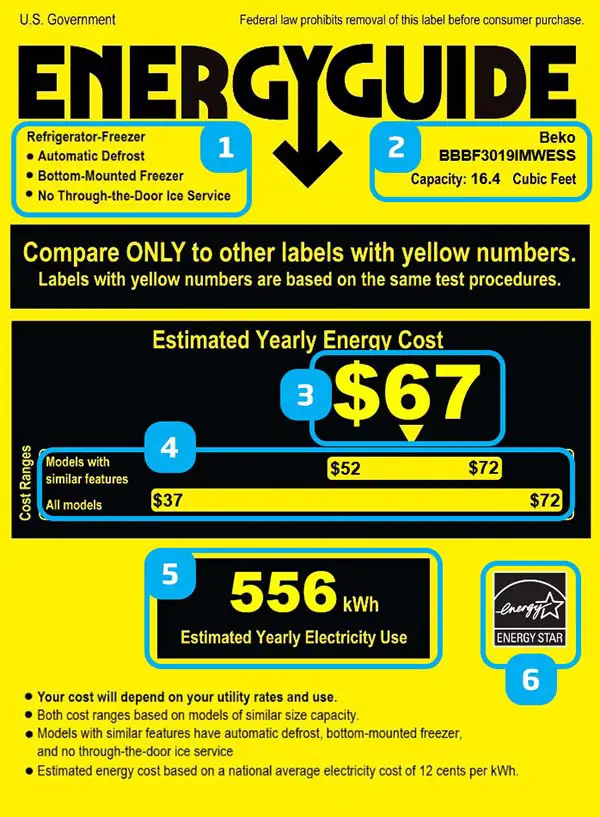
This little bit of knowledge finds its way into daily life and even education in really interesting ways. In your daily routine, it might mean simply glancing at the bright yellow EnergyGuide label when you’re shopping for a new refrigerator, comparing the estimated annual energy cost. Or, it could be a weekend project where you grab an inexpensive "kill-a-watt" meter (a super cool gadget!) and plug your fridge into it to see its real-time consumption. You might be surprised to learn how its wattage fluctuates throughout the day as it cycles on and off! For the younger generation, it can be a fantastic science project – comparing the energy use of different appliances, or even exploring how opening the fridge door more often impacts its workload. It’s a hands-on lesson in physics, economics, and environmental science all rolled into one.
Ready to embark on your own wattage exploration? It's simpler than you think! The easiest first step is to check that EnergyGuide label, usually found on new appliances. For your existing fridge, investing in a "kill-a-watt" meter is a game-changer. Just plug it in between your appliance and the wall outlet, and it will display real-time watts, along with cumulative kilowatt-hours (kWh), which is what your utility company bills you for. Beyond measuring, some practical tips include ensuring your fridge’s door seals are tight (the dollar bill test works great!), keeping the condenser coils clean for optimal efficiency, and making sure not to overfill it (good for keeping things cold, but too much can block airflow). By simply observing your fridge’s behavior with a watt meter, you might discover fascinating patterns and gain a whole new appreciation for the hard work it puts in, all while becoming a savvier energy user!