
Red Light On Carbon Monoxide Detector
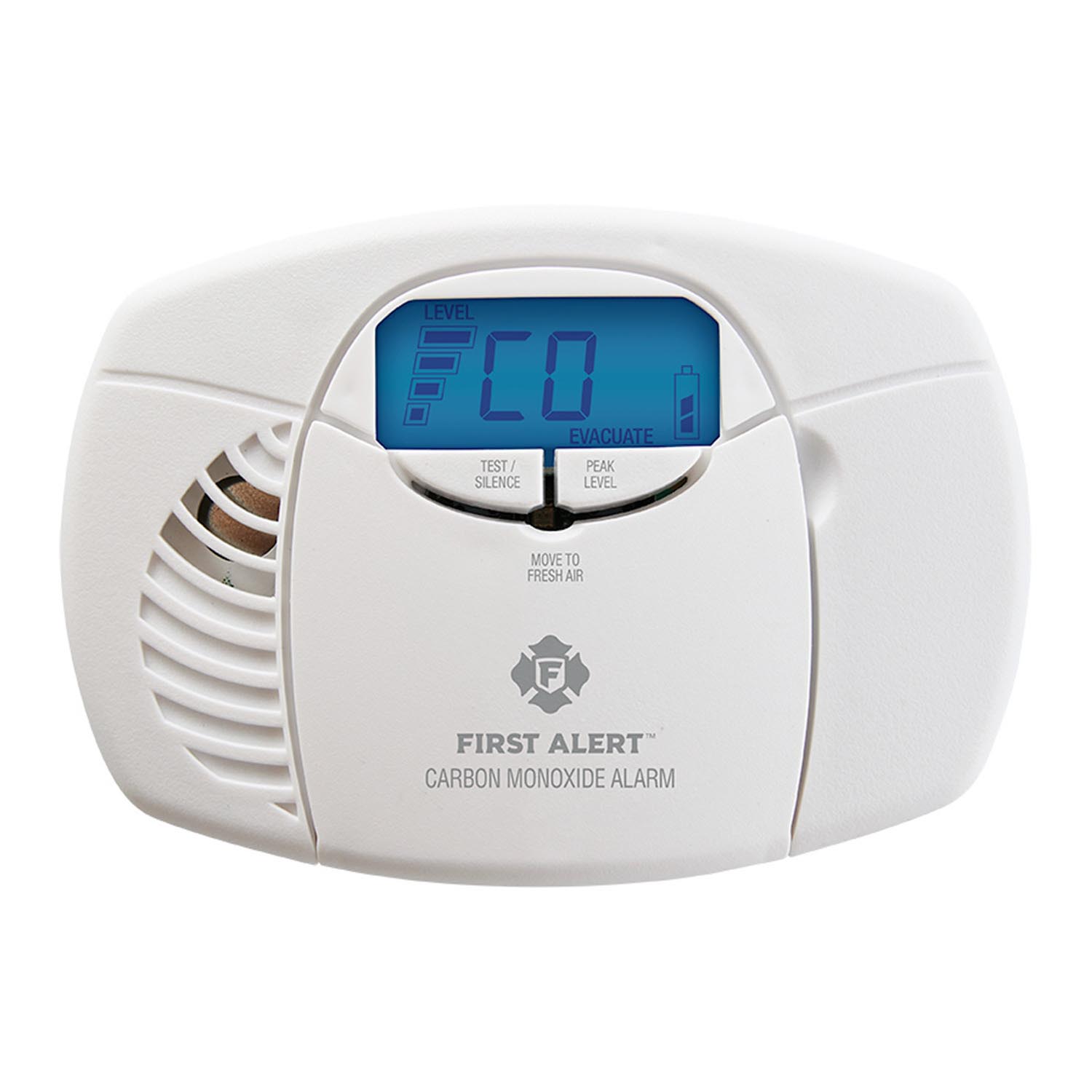
Okay, so picture this: you're just chilling, maybe binging your favorite show, scrolling through TikTok, whatever. And then, out of nowhere, you catch a glimpse of it. That little, innocent-looking red light on your carbon monoxide detector. Dun dun DUNNNN. You know the one, right? The one that suddenly makes your heart do a little interpretive dance of panic in your chest. My initial thought is always, "Oh, for crying out loud, what NOW?!"
It's not like the smoke detector, bless its dramatic little heart, that usually just needs a battery change after burning toast. That's a familiar panic. This red light? It feels...
What Even IS Carbon Monoxide, Anyway?
So, before we dive deeper into the red light drama, let's have a quick, super-casual chat about its nemesis: carbon monoxide. Or, as I like to call it, the sneaky ninja of gasses. Seriously, this stuff is odorless, colorless, and tasteless. Basically, it's the perfect villain in a silent movie. You can't see it, you can't smell it, you can't taste it, but it can make you super sick, or worse. Yikes.
Must Read
It's produced when fuels like gas, oil, wood, or charcoal don't burn completely. Think leaky furnaces, blocked chimneys, gas stoves, even cars left running in an enclosed space (please don't do that!). These are all potential culprits, silently churning out this invisible gas. And that's precisely why that little red light is
The Moment of Truth: That Blinking Red Light
Alright, back to our main event: the red light. When that thing starts flashing or stays solid red, it means your detector has picked up
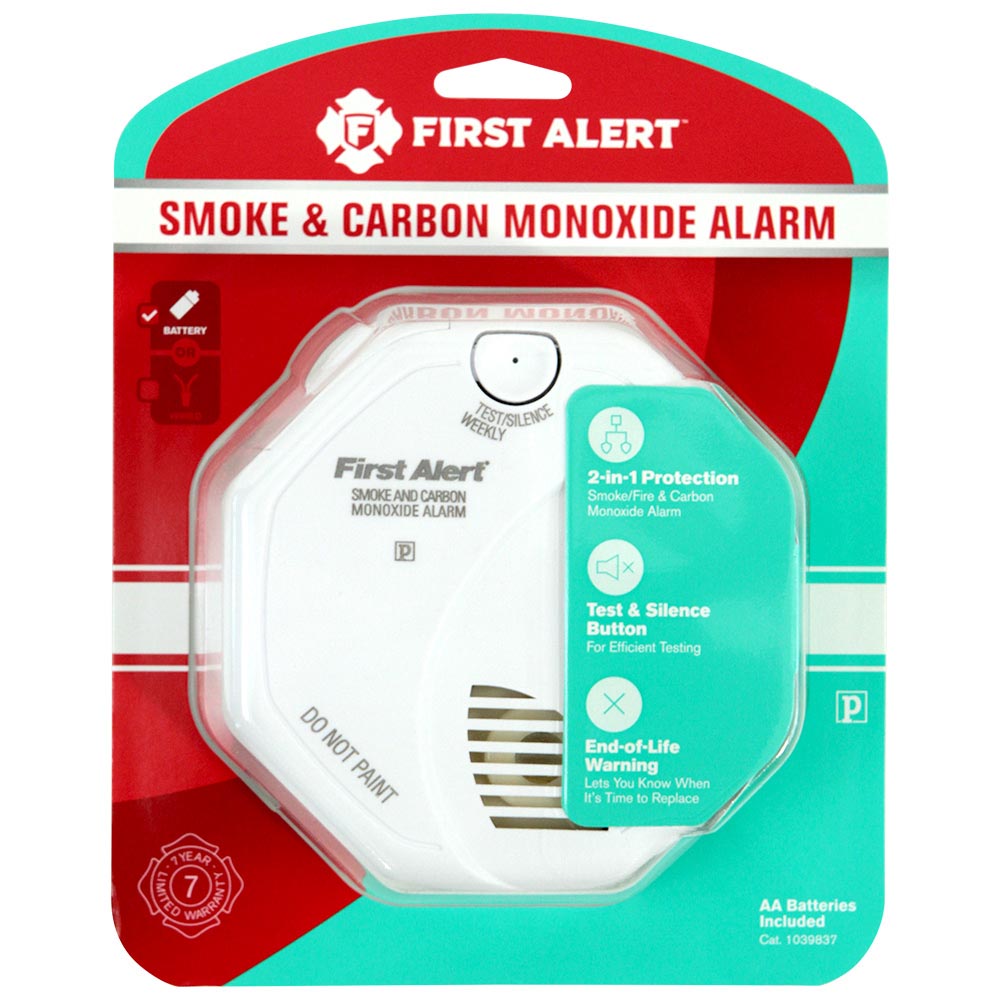
Now, sometimes, yes, it can be a fluke. A faulty sensor, or maybe the battery is just super low and it's throwing a tantrum. But you absolutely, positively, 100%
"Okay, It's Red. Now What?!"
First things first:
The immediate go-to move?

This is where you need to seriously consider
Why Does This Even Happen? The Usual Suspects
So, after the drama subsides and the all-clear is given, you'll probably wonder, "Why me? Why my house?" It could be any number of things, honestly. Maybe your furnace decided to have a bad day. Perhaps the chimney flue is blocked by a rogue bird's nest or some debris. Sometimes, it’s an old appliance that's seen better days, or even a barbecue grill used too close to an open window (big no-no!).

That's why regular maintenance on your fuel-burning appliances is
A Little Red Light, A Lot of Peace of Mind
Look, that little red light can be a total buzzkill, a real jump scare in your otherwise chill day. But it's also a tiny, tireless guardian. It's there to protect you from something truly dangerous, something you can't detect on your own. So, next time you see that little blink or solid glow, don't just sigh and think, "Ugh, another thing." Think, "Thank goodness that's working!"
It's an investment in your safety, a silent sentinel that speaks volumes when it matters most. Keep it charged, keep it tested, and most importantly,
