
Recommended Smoke And Carbon Monoxide Detectors

Let's talk about the unsung heroes of our homes. No, not the refrigerator that keeps your ice cream safe. I’m talking about those little white discs glued to our ceilings and walls. Our faithful, sometimes fussy, smoke and carbon monoxide detectors.
We all know they're important. Crucial, even. Life-saving, definitely. But let's be honest, our relationship with them is... complicated. It often starts with a frantic search for a stepladder at 3 AM. A single, piercing BEEP echoes through the silent house. Is it the battery? Is it a ghost? Is it just trying to get attention?
The Elusive Perfect Smoke Detector
First up, smoke detectors. There are two main types, or so the experts tell us. You have your ionization detectors. These are like the overly sensitive friend who screams at a shadow. Great for detecting fast, flaming fires. But also, sometimes, for your burnt toast. Or that ambitious stir-fry. Or maybe just the sheer audacity of existing in its vicinity.
Must Read
Then there are photoelectric detectors. Think of these as the more chill, discerning friend. They’re better at sniffing out slow, smoldering fires. The kind that produce lots of visible smoke before bursting into flames. They're less likely to yell at your cooking. Which, let's face it, is a huge win for most of us.
My "unpopular" recommendation? Get a mix, if you can. Or just go photoelectric in the kitchen and near bathrooms. Save your sanity. Because who needs their alarm system giving a five-alarm warning every time you use the broiler?
:max_bytes(150000):strip_icc()/where-to-place-smoke-detectors-1152485_V2-3c5086adfaa646d69d312b45d342c621.png)
The best smoke detector is one that knows the difference between a real emergency and your culinary "adventures."
And let's not even start on battery changes. It’s always the middle of the night. It’s always when you’re least prepared. My personal plea? Look for models with 10-year sealed batteries. Yes, they cost a bit more upfront. But think of the blissful, uninterrupted sleep. Think of the frustration saved. That, my friends, is priceless.

The Silent Guardian: Carbon Monoxide Detectors
Now, onto the truly sneaky danger: carbon monoxide (CO). This stuff is invisible, odorless, and totally undetectable by human senses. It’s the ultimate ninja villain of the home. That's why a dedicated CO detector isn't just a good idea; it's non-negotiable.
Unlike smoke, which usually gives you a visual cue (and a smell, usually), CO offers nothing. Until it's too late. So, when it comes to these guys, my "unpopular" opinion is this: don't skimp. Get them. Place them correctly. And absolutely, positively, test them regularly. Like, more regularly than you remember to water that plant in the corner.
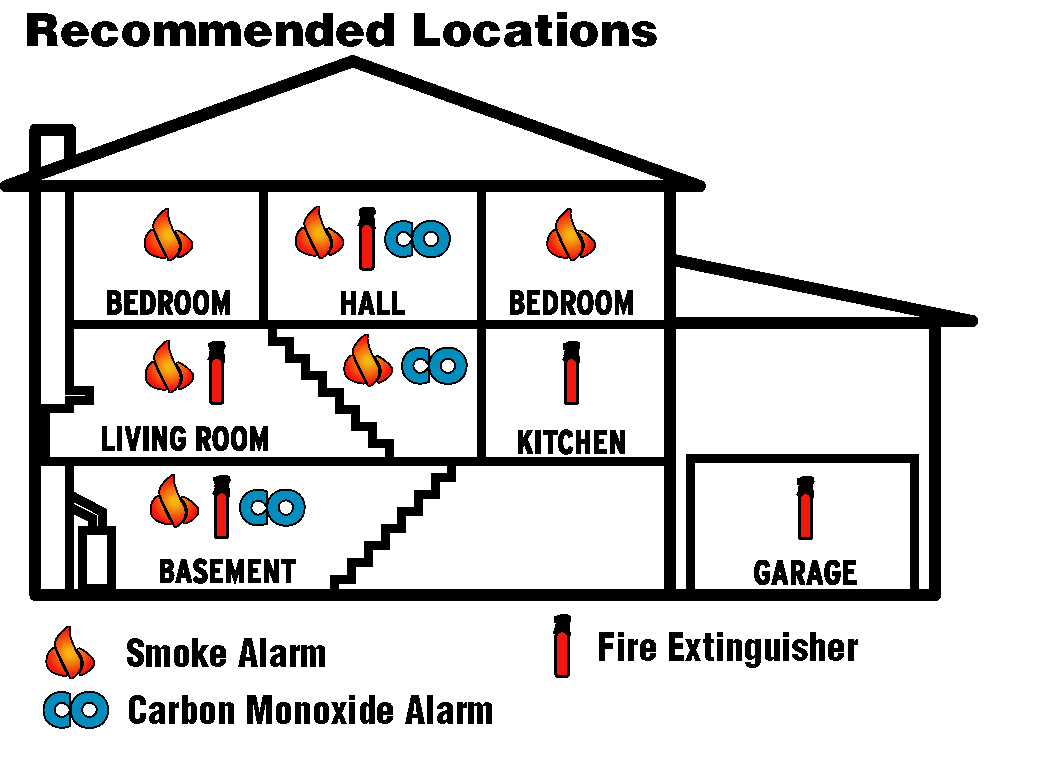
Where to put them? Near bedrooms. On every level of your home. Especially if you have a gas furnace, a fireplace, or an attached garage. These detectors are not meant to be decorative. They are your literal lifelines against a silent killer.
The Ultimate "Recommended" Detector: The Zen Master
So, what's my ultimate recommendation for smoke and carbon monoxide detectors? It’s not a specific brand. It’s not the most expensive model with all the bells and whistles (though smart detectors that connect to your phone are pretty neat, I admit).
My recommendation is the Zen Master detector. The one that achieves perfect balance. It's sensitive enough to protect you. But not so sensitive that it sends you into a panic over popcorn. It has a long-lasting battery that doesn't demand your attention every nine months. It's easy to test without needing an engineering degree. And crucially, it gives you peace of mind.
It’s the detector you install, test, and then largely forget about. Until that one, crucial moment when it truly needs to perform. And when it does, it does its job effectively and unequivocally. No false alarms. No fussy beeps. Just a clear, urgent warning when it genuinely matters.
In conclusion, while we might playfully grumble about their quirks, these little guardians are essential. Choose wisely. Choose for your sanity. Choose for your safety. And maybe, just maybe, choose one that won't judge your cooking quite so harshly.