
Rechargeable Batteries For Smoke Detectors

You know that feeling, right? It’s 3 AM. You’re deep in the land of nod, probably dreaming of something utterly mundane like organizing your socks, when BAM! A high-pitched, insistent, ear-splitting chirp cuts through the silence. It’s not a bird, it’s not your alarm, it’s not even a particularly enthusiastic cricket.
No, my friend, it’s the universal siren of dread: your smoke detector, informing you, in its most aggressive passive-aggressive tone, that its battery is on its last breath. You stumble out of bed, cursing under your breath, maybe tripping over the dog. Then comes the ritualistic hunt for the ladder, the fumbling with the dusty detector, and the inevitable realization that you thought you had a spare 9-volt battery, but it turns out to be three AAAs and a button cell from an old watch. Classic.
And let's be honest, we've all been there. That endless cycle of buying batteries, replacing them, and then starting all over again when the next detector in the house decides it's its turn to host the 3 AM opera. It's frustrating, it's wasteful, and frankly, it feels a bit… archaic, doesn't it?
Must Read
What if I told you there’s a way to break free from this tyranny of disposable power cells? A way to keep your home safe without contributing to a landfill full of expired alkalines? Enter the often-overlooked, sometimes-misunderstood, but potentially brilliant solution: rechargeable batteries for your smoke detectors.
"Wait, can you even do that?"
This is usually the first question people ask, and it’s a fair one. For years, the conventional wisdom has been "stick with alkalines." But technology, my friends, marches on! Modern rechargeable batteries, especially those designed for low-drain, long-term applications, are becoming a game-changer.
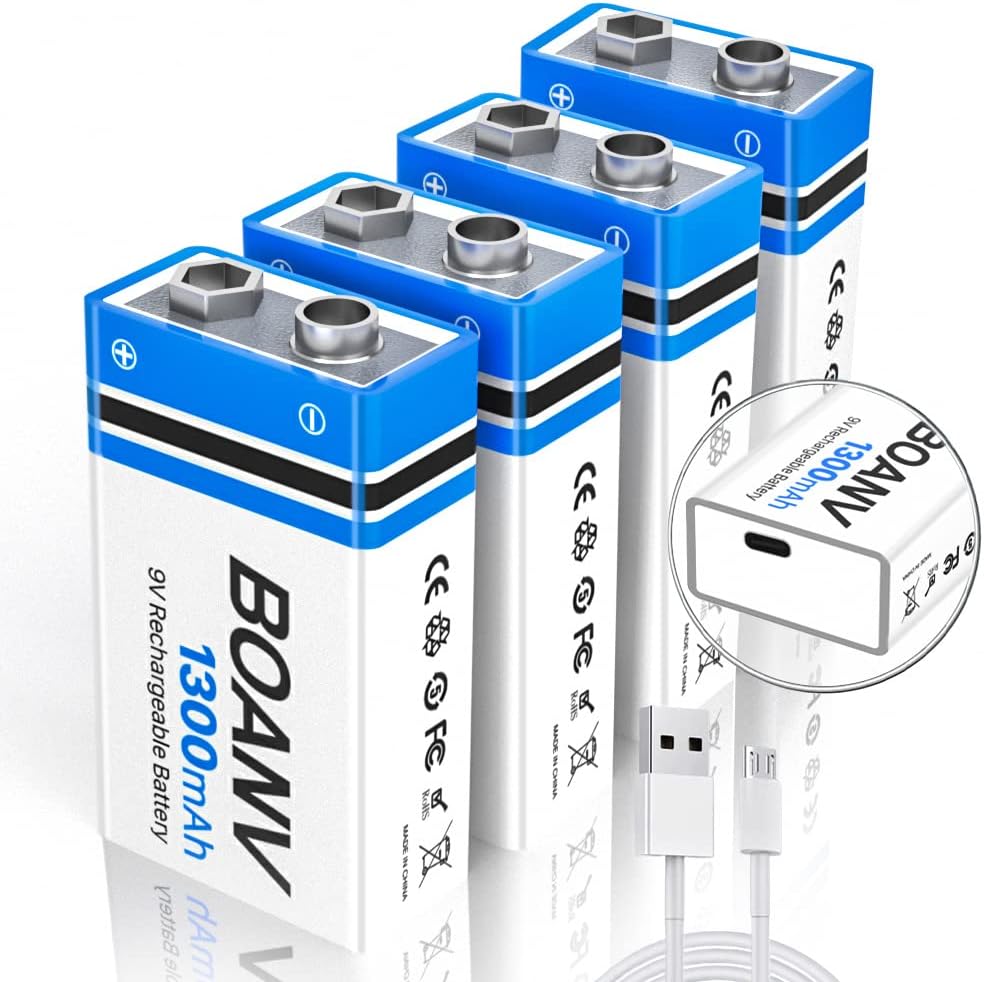
The biggest hurdle, traditionally, was that standard NiMH (Nickel-Metal Hydride) rechargeables had a pretty high self-discharge rate. Meaning, even if they weren't powering anything, they'd slowly lose their charge just sitting there. Not ideal for a device that needs to be constantly vigilant for a year or more, right?
But here’s the trick: look for low self-discharge (LSD) NiMH batteries, or even some specific Li-ion (Lithium-ion) 9V batteries. These are engineered to hold their charge for much longer, making them a viable option for your smoke detectors.
The Pros: Why You Should Seriously Consider This
First off, let's talk about the environment. Every disposable battery you don't use is one less piece of hazardous waste heading to a landfill. It's a small change, but if everyone did it, that's a huge win for Mother Earth.

Secondly, the cost savings. While the initial investment in rechargeable batteries and a good charger might be a bit higher, it pays for itself over time. Think about it: no more last-minute dashes to the convenience store for overpriced 9-volts. Just pop them in the charger, and they're ready to go again.
And speaking of ready to go, there’s the sheer convenience. Imagine having a freshly charged spare battery always on hand. That 3 AM chirp suddenly becomes a minor inconvenience, not a major quest. You swap it out, throw the old one on the charger, and go back to dreaming about socks. Bliss!

But What About the Niggles?
Okay, let's be balanced. It's not entirely rainbows and cost savings. There are a couple of things to keep in mind.
The first is voltage. A standard alkaline 9V battery typically starts at 9V. Many NiMH rechargeables, even the 9V ones, are often around 8.4V (or even 7.2V for some types) when fully charged. Most modern smoke detectors are designed to handle this slight voltage difference, but it's always a good idea to check your detector's manual. Some older or very specific models might be pickier. For Li-ion 9V cells, they typically run closer to 8.4V as well.
The second point is that you still need a recharging routine. While LSD batteries hold their charge well, they're not "install and forget for 5 years" like some long-life alkaline options. You'll still want to test your smoke detectors regularly (monthly!) and swap batteries on a schedule (e.g., when you change your clocks for daylight saving time). This ensures they're always topped up and ready.

My Hot Tips for Making the Switch
If you're intrigued, here’s how to jump in:
- Invest in Quality: Don't skimp on cheap no-name brands. Look for reputable battery manufacturers known for their LSD NiMH or high-quality Li-ion cells.
- Get a Smart Charger: A good charger that can handle 9V batteries and independently charge each cell is absolutely essential. It protects your batteries and ensures optimal charging.
- Create a Rotation System: Buy enough batteries so you have one set in the detectors and at least one spare set charged and ready to go. When you swap, the depleted ones go straight to the charger.
- Keep Testing: Regardless of battery type, always, always test your smoke detectors monthly. It's about safety first, convenience second.
So, there you have it. The humble rechargeable battery, once overlooked, is stepping up to the plate to save us from those dreaded 3 AM chirps and a mountain of waste. It’s a little upfront effort, sure, but the peace of mind, the environmental benefits, and the long-term savings are definitely worth a closer look. What do you think? Are you ready to ditch the disposables?