
Real Life Examples Of Ethical Dilemmas In The Workplace
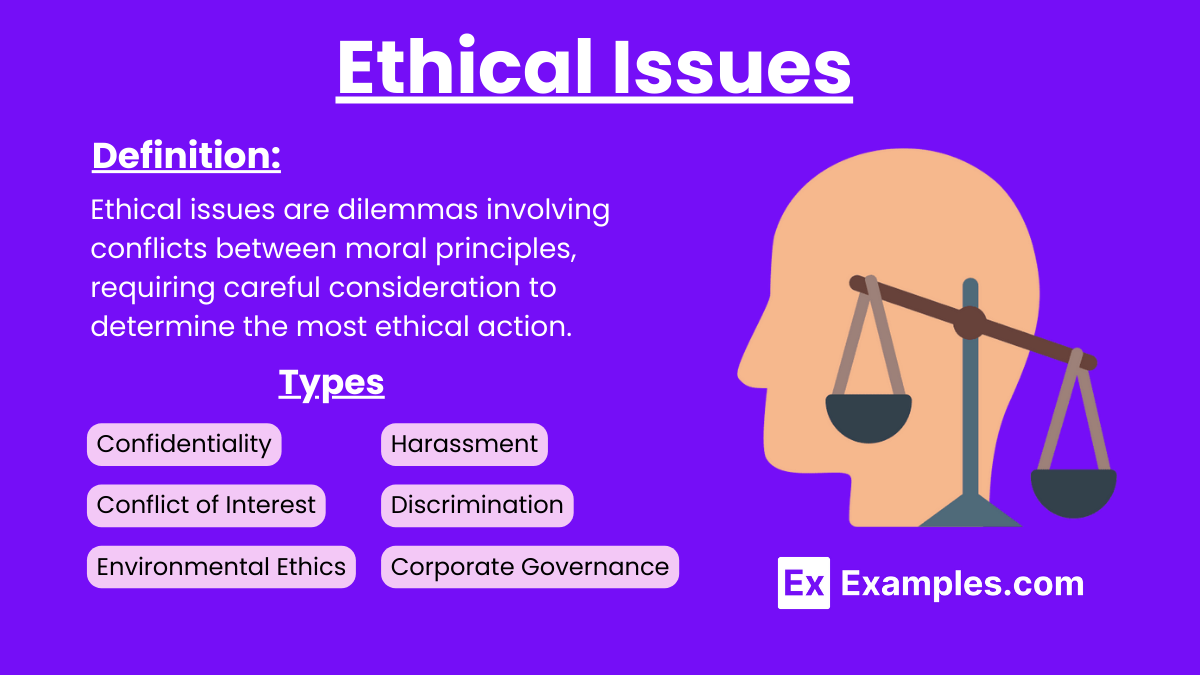
Ever feel like you're stuck in a moral maze at work? You're not alone! The workplace is a breeding ground for ethical dilemmas, those sticky situations where doing the "right" thing isn't always crystal clear.
The Case of the Purloined Pens (and Other Office Supplies)
Okay, let's start with something super relatable. Imagine your coworker, Brenda, "borrowing" office supplies for her kid's school project. A few pens, some paper, maybe even a stapler. It's not exactly robbing Fort Knox, but is it ethical?
On one hand, it’s “just” office supplies. On the other hand, it’s stealing. The company likely has a policy against personal use of office resources.
Must Read
This is a classic example of the slippery slope. Where does it end? Is it okay if it's a small company? What if Brenda is really struggling financially?
What's a "Good" Employee to Do?
Do you rat Brenda out? Maybe. Do you ignore it? Also maybe. The ethical conundrum boils down to your personal values and the company's culture.
If it's a one-time thing and the company won't be ruined by a few missing pens, maybe a gentle nudge to Brenda about company policy is the best approach.
But if it becomes a habit, or Brenda's taking the entire stock of printer paper home, then escalating it to your manager might be necessary.
The "My Dog Ate My Spreadsheet" Excuse (and Other Tales of Dodgy Deadlines)
We've all been there: staring down a deadline that's looming like a hungry T-Rex. The pressure is on, and the temptation to… embellish the truth… can be strong.
Maybe you slightly exaggerate your progress on a project to keep your boss happy. Perhaps you conveniently forget to mention a small setback to avoid getting chewed out.
These little white lies might seem harmless at the time, but they can snowball into a bigger problem. Honesty is typically the best policy.
The Honesty Hack: Transparency is Your Friend
Instead of resorting to creative storytelling, try being upfront with your manager about challenges you're facing. Explain why you're behind schedule and propose solutions.

Most managers appreciate honesty and proactive problem-solving. It shows you're taking responsibility and working towards a solution.
Plus, avoiding the need to remember your "my dog ate my spreadsheet" story saves you a lot of mental energy.
The "Nepotism Knows No Bounds" Scenario
Picture this: your boss's nephew, Chad, gets hired. Chad knows absolutely nothing about the job, spends most of his time on his phone, and somehow gets promoted faster than you, even though you've been working your tail off for years.
Nepotism! It's not just annoying, it's an ethical nightmare. It creates unfair advantages, undermines morale, and can lead to resentment and disengagement.
It makes the workplace feel like some kind of family reality TV show, and nobody wants to be a supporting character in that drama.
Fighting the Power (Respectfully, Of Course)
Directly confronting your boss about nepotism is rarely a good idea (unless you're already planning your exit strategy). Instead, focus on your own performance and seek opportunities to shine.
Document your accomplishments, ask for challenging projects, and network with other professionals in your field. Let your work speak for itself.
If the situation becomes unbearable, consider seeking out opportunities at companies with a stronger commitment to meritocracy.
The Client Gift Dilemma: Bribes or Business Development?
A client offers you a lavish gift: a fancy watch, a weekend getaway, or a suspiciously large amount of cash in a briefcase. Where do you draw the line between a friendly gesture and a full-blown bribe?

Company policies usually dictate the maximum value of gifts an employee can accept. Anything that could be perceived as influencing your decisions is usually a no-go.
Accepting a gift that's too valuable could compromise your objectivity and create a conflict of interest. It's like accepting a Trojan Horse, but instead of Greek soldiers, it's filled with ethical baggage.
Navigating the Gift-Giving Minefield
Politely decline the gift and explain that company policy prohibits accepting items of that value. Suggest an alternative, like a charitable donation in their name.
If the client insists, report the offer to your manager or ethics officer. It's better to be safe than sorry, especially when large sums of money are involved.
Remember, your integrity is worth more than any fancy watch or weekend getaway.
The Social Media Minefield: Oversharing and Under-Thinking
In today's world, our online lives are intertwined with our professional lives. That means what you post on social media can have serious consequences at work.
Complaining about your boss on Facebook, sharing confidential company information on Twitter, or posting inappropriate photos on Instagram can all land you in hot water.
Think before you post. Remember that anything you put online can be seen by your colleagues, your boss, and even potential future employers.
Social Media Sanity: A Few Simple Rules
Avoid posting anything that could be considered offensive, discriminatory, or disrespectful. Keep your personal opinions separate from your professional persona.
Don't share confidential company information or trade secrets. Be mindful of your privacy settings and who can see your posts.
If you're unsure whether something is appropriate to post, err on the side of caution. It's better to be safe than sorry when it comes to your online reputation.
The "Harmless" Lie to a Customer
Sometimes, in the heat of the moment, we might be tempted to bend the truth a little to make a customer happy. Telling a customer something is "in stock" when it's not, just to secure the sale.
Or promising a delivery date you know you can't realistically meet. These are often called "white lies".
While they might seem harmless, these lies can erode trust and damage the company's reputation. A good reputation is hard to earn and easy to lose.
Customer Service Honesty: The Golden Rule
Always be honest and transparent with customers, even if it means delivering bad news. People appreciate honesty, even if it's not what they want to hear.
If you can't fulfill a customer's request, explain why and offer alternatives. Show them that you're doing your best to meet their needs.
In the long run, honesty and integrity will build stronger relationships with customers and foster customer loyalty.
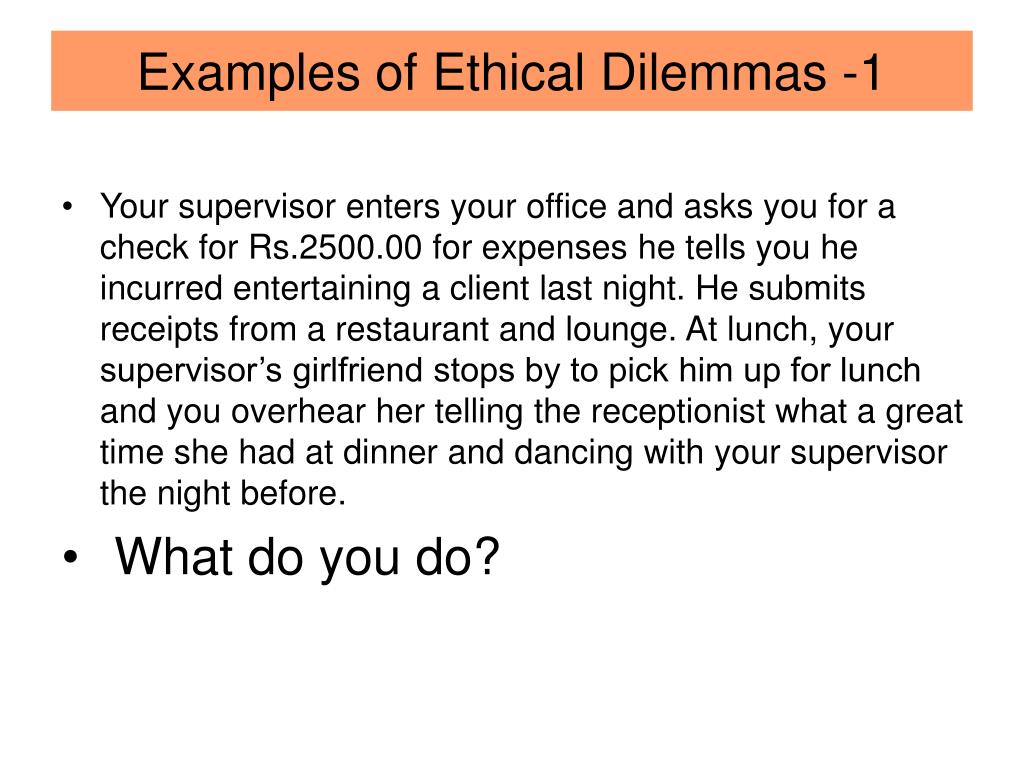
The "Blame Game" Situation
When something goes wrong at work, it's tempting to point the finger at someone else to avoid taking responsibility. A mistake was made, and your boss is looking for answers.
Your coworker, let's call him Greg, made a significant error, but you were partially involved. Do you throw Greg under the bus to save yourself?
Taking responsibility is tough, but it's the ethical thing to do. Teamwork is the key to most successes.
Taking Responsibility: It's Not Always Easy, But It's Worth It
Instead of blaming others, own up to your part in the mistake. Explain what happened, what you learned from it, and how you'll prevent it from happening again.
Offering solutions demonstrates accountability and a proactive approach to problem-solving. It shows that you're willing to take ownership of your actions.
Taking responsibility builds trust and respect with your colleagues and your manager. A true leader is not afraid to admit to their mistakes.
Ethical Dilemmas: Part of the Job
Ethical dilemmas are an inevitable part of the workplace. They challenge our values, test our integrity, and force us to make difficult decisions.
By being aware of these dilemmas, understanding your company's ethics policies, and relying on your own moral compass, you can navigate these situations with confidence and integrity.
So, keep your chin up, your ethical senses sharp, and remember that doing the right thing, even when it's hard, is always the best long-term strategy!