Ratings Of Central Air Conditioning Systems
Okay, let's talk about something we all love to hate... being uncomfortable! Specifically, being too hot. And the hero that saves us from summer meltdowns? Our central air conditioning system. But before you just blindly buy the first AC unit you see, let's decode the secret language of AC ratings. Trust me, it's less intimidating than learning a new TikTok dance.
Think of it like this: you wouldn't buy a car without checking its MPG (miles per gallon), right? You want to know how far you can go on a tank of gas. Well, AC ratings are kind of like the MPG for your cooling system. They tell you how efficient your AC is at turning electricity into sweet, sweet relief from the heat.
SEER: The Efficiency Superstar
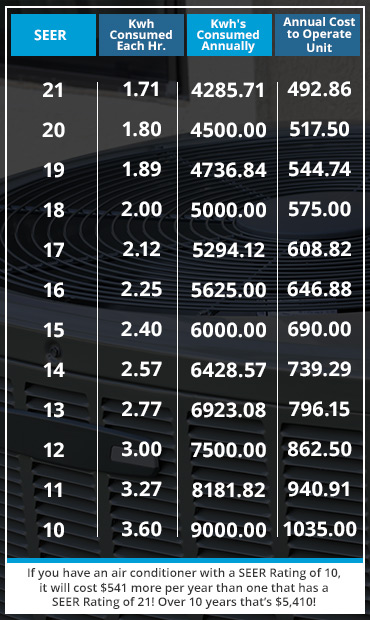
First up is SEER (Seasonal Energy Efficiency Ratio). This is the big kahuna, the most common rating you'll see plastered on every AC unit. Simply put, SEER tells you how much cooling you get for each unit of energy you use over the entire cooling season. Imagine you're baking cookies. SEER is like figuring out how many cookies you get per bag of chocolate chips.
Must Read
The higher the SEER, the more efficient the AC. It's like comparing a hybrid car to a gas guzzler. A higher SEER means lower energy bills. The government has minimum SEER requirements, which vary by region. Right now, most places have a minimum of 14 or 15. But you can go much higher! Look for units with a SEER rating of 16 or higher for noticeable savings.
Why should you care? Well, imagine this: you're running your AC all summer long. With a low SEER unit, it's like throwing money out the window... directly into the power company's pockets! A higher SEER is like tucking those dollar bills back into your wallet.

EER: The Peak Performance Player
Next, we have EER (Energy Efficiency Ratio). EER is like SEER's more focused cousin. It measures the cooling efficiency of the AC at a specific point – usually a hot summer day. Think of it like checking the gas mileage of your car while driving uphill with a full load. It shows you how the AC performs under stress.
EER is often considered when comparing AC units for hotter climates, as it tells you more about peak performance. Similar to SEER, a higher EER number means better efficiency and lower energy costs. If you live in a place where it's consistently hot and humid, paying attention to the EER rating is crucial.
Why is this important? Imagine you're throwing a summer BBQ. Everyone's inside, the oven's on, and the sun is blazing. Your AC needs to work hard! A good EER rating ensures your AC can handle the heat (pun intended) without sending your energy bill through the roof.
HSPF: Heating's Hidden Gem (For Heat Pumps)
Now, this one is only relevant if you have a heat pump. A heat pump is like a two-in-one deal – it heats your home in the winter and cools it in the summer. If you have a heat pump, you'll want to pay attention to the HSPF (Heating Seasonal Performance Factor) rating.
HSPF measures the heating efficiency of your heat pump. The higher the HSPF, the more efficiently your heat pump heats your home. It's like knowing how much heat you get from each log you put in your fireplace. It helps you save money during the colder months.

Think of it this way: imagine you're trying to keep your house warm during a blizzard. A higher HSPF means your heat pump can do the job without working overtime (and costing you a fortune). It's all about efficient heating!
Why Bother with Any of This?
So, why should you care about SEER, EER, and HSPF? Money, comfort, and the environment. By choosing an efficient AC system, you can:
- Lower your energy bills: This is the most obvious benefit. A more efficient AC means less electricity consumption, which translates to lower monthly bills.
- Enjoy consistent comfort: Efficient AC units are better at maintaining a consistent temperature, keeping you comfortable throughout the day and night.
- Reduce your carbon footprint: By using less energy, you're helping to reduce greenhouse gas emissions and protect the environment.
Choosing a new AC system is a big decision, but understanding these ratings makes you a savvy shopper. Don't just go for the cheapest option. Invest in an efficient unit that will save you money and keep you comfortable for years to come. Think of it as an investment in your happiness (and your bank account!). Now go forth and conquer that summer heat!