
Puget Sound Energy Cost Per Kilowatt Hour

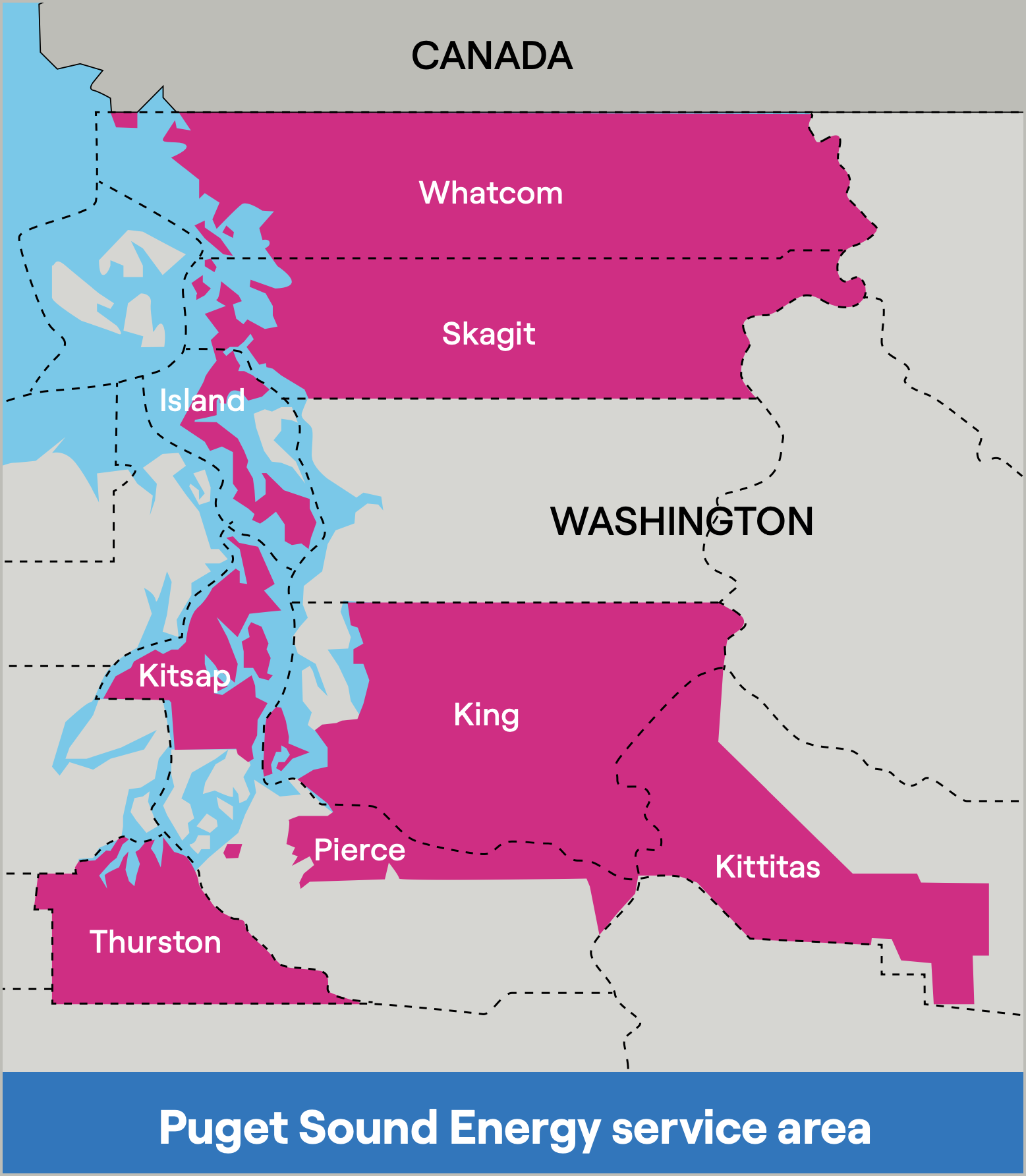
Hey there, Pacific Northwesterner! As the rain sprinkles outside (or the sun, if we're lucky!), and you're curled up with your favorite locally roasted coffee, have you ever paused to think about the energy humming through your home? We rely on it for everything – from charging our devices to keeping our homes cozy. And here in the beautiful Puget Sound region, our trusty energy provider is Puget Sound Energy, or PSE.
Understanding your energy bill doesn't have to be a chore. In fact, it can be quite empowering! Let's demystify one of the core components: the cost per kilowatt-hour (kWh). Think of it as the price tag for the actual juice that powers your life.
What Exactly is a Kilowatt-Hour?
Good question! A kilowatt-hour is simply a unit of energy. Imagine a 1,000-watt appliance (like a powerful microwave or a space heater) running for one full hour – that’s one kWh. Your toaster, your laptop charger, your TV – they all consume energy, and their usage adds up in kWh. It’s the metric PSE uses to measure how much power you've actually, well, used.
Must Read
PSE's rates, like many utilities, aren't a fixed, one-size-fits-all number. They can vary based on several factors, including the type of service (residential, commercial), and even the time of year. While I can't give you a precise, real-time number that won't change tomorrow, it's generally good to know that residential rates typically hover in a range. Always check PSE’s official website for the most current and detailed rate schedules – it’s your best source!
Beyond the Basic kWh: Understanding Your Bill
Your energy bill is a bit like a complex, but ultimately friendly, puzzle. The kWh cost is a big piece, but not the only one. Here’s what else plays a role:
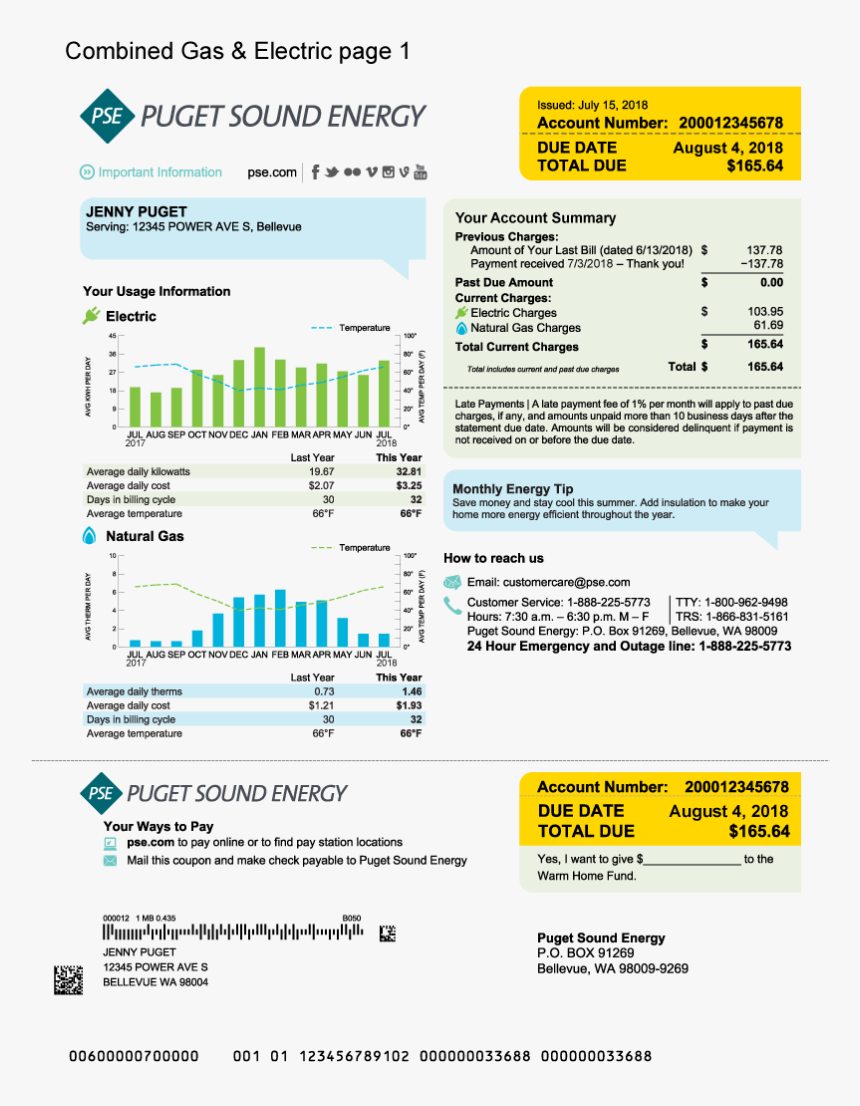
Tiered Rates: This is a common structure! PSE, like many utilities, often uses tiered rates. This means you pay one price per kWh for the first block of energy you use (say, the first 600 kWh in a month), and then a slightly different (often higher) price for the energy you use after that first block. It’s like getting a bulk discount for your initial energy consumption, and then paying a bit more if you exceed a certain amount. It encourages mindful use!
Seasonal Swings: Ever noticed your bill jump in winter? That’s typically due to increased heating. While our PNW summers are often mild, fans and refrigeration still work harder on warmer days. PSE's actual rates can sometimes have seasonal adjustments, reflecting demand.
Basic Service Charge: This is a fixed monthly fee that covers the cost of maintaining the infrastructure that brings power to your home, regardless of how much energy you actually use. Think of it as the network access fee for electricity.
Taxes and Other Fees: A small portion of your bill goes towards various taxes and regulatory fees. These are pretty standard and support local and state services.

Fun Facts & PNW Power
Did you know a typical electric car can travel about 3-4 miles on just one kWh? Or that running your high-end gaming PC for an hour might consume around 0.2-0.5 kWh? That's your Seattle tech lifestyle in action! Our region is also a leader in clean energy, with a significant portion of PSE's power coming from hydro, wind, and solar. So, while you're enjoying that pristine view of Mount Rainier, remember the clean energy that helps light up our beautiful landscape.
Savvy Steps to Save Those kWhs (and Dollars!)
Ready to make your energy habits as efficient as a well-oiled espresso machine? Here are some easy-peasy tips:
- Embrace Smart Thermostats: Set it and forget it (mostly!). These clever devices learn your schedule and optimize heating and cooling, saving you serious kWhs.
- LED Light Swap: If you haven't already, switch to LED bulbs. They use a fraction of the energy of traditional bulbs and last ages. It's an easy win!
- Unplug "Vampire" Devices: Many electronics draw power even when turned off or in standby mode. We call these "vampire" devices. Unplug chargers, TVs, and gaming consoles when not in use. Every little bit adds up!
- Seal Those Drafts: A cozy home is an efficient home. Check for drafts around windows and doors and seal them up. It's amazing how much heat (or cool air) can escape through tiny gaps.
- Mindful Appliance Use: Run your dishwasher and washing machine with full loads. Use cold water when possible. Consider Energy Star-rated appliances when it’s time for an upgrade.
- Tap into PSE Resources: PSE offers a fantastic array of energy-saving tips, rebates, and programs directly on their website. From energy audits to incentives for upgrading appliances, they're there to help you be more efficient.
Bringing it Home: Your Daily Energy Journey
Understanding the cost per kilowatt-hour isn't just about saving money (though that's a nice perk!). It's about being more mindful consumers, supporting sustainable practices, and enjoying our beautiful PNW lifestyle responsibly. So, the next time you flick on a light or brew a fresh pot of coffee, take a moment to appreciate the energy that powers your world. Knowing its value empowers you to use it wisely, keeping your home comfortable and your wallet happy. Cheers to smart energy choices!
