
Pros And Cons Of Gas Dryer Vs Electric Dryer
Laundry day! Dun, dun, DUUUUN! Okay, maybe it’s not quite that dramatic, but choosing between a gas dryer and an electric dryer can feel like a showdown.
Fear not, laundry warrior! Let’s break down the battle of the dryers with a dash of fun and a whole lot of helpful info.
Round 1: The Initial Investment
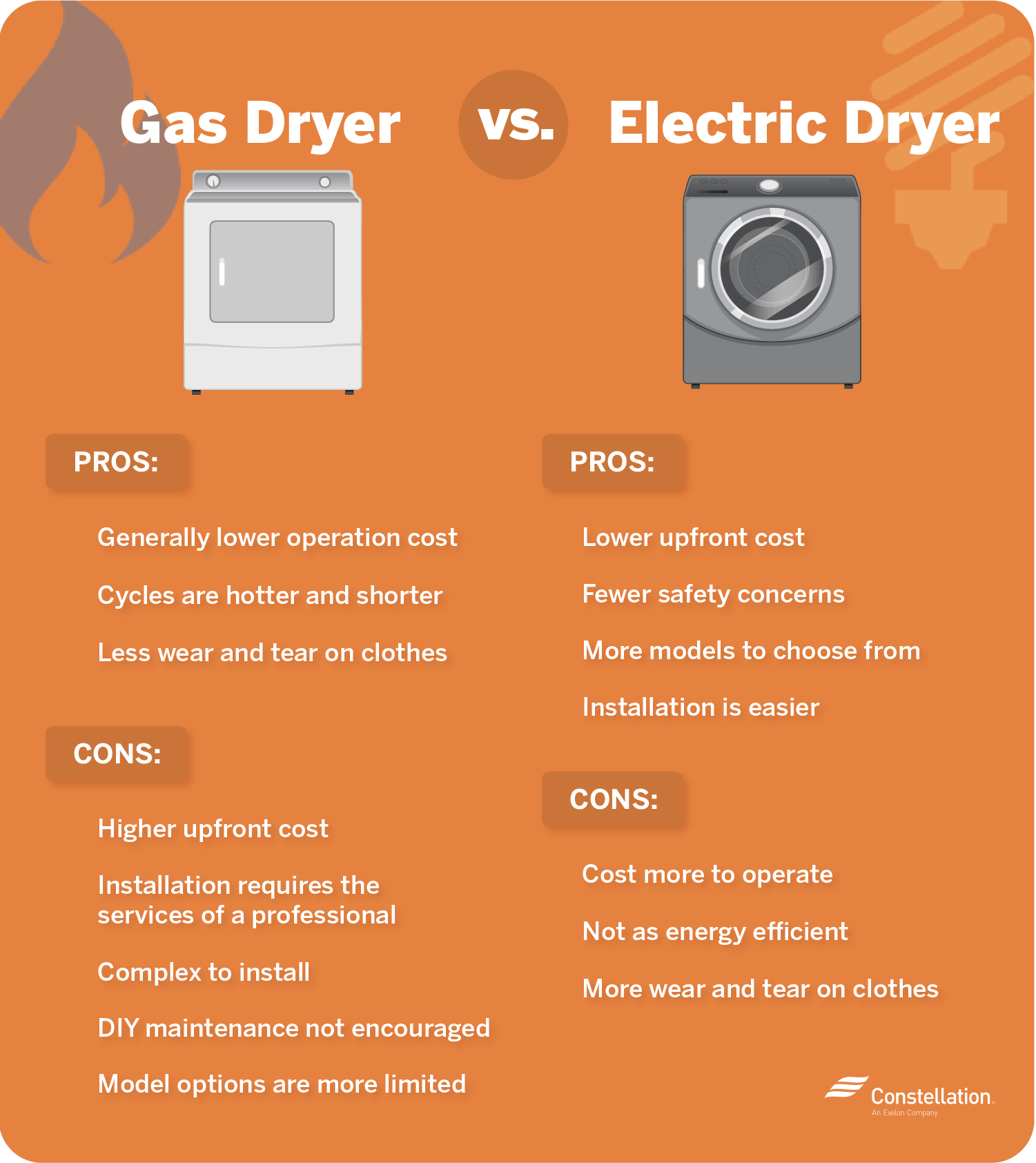
Alright, let's talk cash money, honey! Electric dryers usually have a lower upfront cost. Think of it as buying the starter pack in a video game – cheaper to get in the game.
Must Read
Gas dryers, on the other hand, tend to have a higher price tag. It's like buying the deluxe edition with all the fancy bells and whistles… and maybe a flamethrower (okay, not really a flamethrower, but you get the idea!).
But hold your horses! The initial cost isn't the whole story. Remember that old saying, "You gotta spend money to make money?" Well, it applies to dryers too… sort of.
Round 2: Operating Costs – The Monthly Bill Blues
Here's where things get interesting. Gas dryers are often cheaper to operate. Gas is generally less expensive than electricity, so you could see some savings on your monthly bills. Think of it as finding a coupon for your favorite pizza – always a good feeling!
Electric dryers, while cheaper to buy initially, might cost you more in the long run. Electricity bills can be sneaky little devils! They creep up on you when you least expect it.
Imagine running your dryer every day for a year. Those kilowatt-hours can really add up. Suddenly, that cheaper dryer doesn't seem so cheap anymore, does it?
Example Time! (Because Numbers are Fun… Kinda)
Let’s say a load in your gas dryer costs you 30 cents in gas. A similar load in an electric dryer might cost 50 cents in electricity.
That’s just a hypothetical example, of course. Actual costs vary based on your location, energy prices, and how often you do laundry. But it illustrates the general idea.
Round 3: Installation – The Plumber or the Plug?
Installation is another key consideration. Electric dryers are generally easier to install. Just plug it in and you're good to go! It's like setting up a new lamp.
Gas dryers require a gas line connection. This means you'll need a qualified plumber to hook it up. Think of it as needing a pit crew for your laundry machine.
If you don't already have a gas line in your laundry room, installing one can be a significant expense. Suddenly, that cheaper operating cost might not seem so appealing.
Plus, messing with gas lines yourself is a big no-no. Leave it to the pros! Safety first, my friends!
Round 4: Drying Time – Speed Demons vs. Slow and Steady
Gas dryers tend to dry clothes faster than electric dryers. They heat up quicker and get the job done in less time. Think of it as having a turbo boost on your dryer.

If you're always in a rush (who isn't?), a gas dryer might be your best bet. You can get your clothes dry and back in your closet in a flash. More time for Netflix!
Electric dryers are a bit more leisurely. They take their time to dry your clothes. It's like a Sunday afternoon stroll compared to a sprint.
If you're not in a hurry, an electric dryer might be perfectly fine. You can just set it and forget it. Come back later and your clothes will be dry (eventually!).
Round 5: Venting – The Great Outdoors Await!
Both gas and electric dryers need to be vented to the outside. This is essential for removing moisture and preventing lint buildup. Think of it as giving your dryer a chance to breathe.
Proper venting is crucial for efficiency and safety. A clogged vent can cause your dryer to work harder, use more energy, and even pose a fire hazard. Yikes!
Make sure your vent is clean and clear of obstructions. Check it regularly and clean out any lint that has accumulated. Your dryer (and your home) will thank you for it.
:max_bytes(150000):strip_icc()/gas-dryer-vs-electric-dryer-2146251_FINAL-5bbe54b846e0fb00511f28f4.png)
Round 6: Features – Bells, Whistles, and Fancy Dials
Both gas and electric dryers come with a variety of features. These can include things like moisture sensors, wrinkle-free cycles, and steam options. It's like choosing between a basic car and one with all the extras.
Moisture sensors are a great feature to look for. They automatically shut off the dryer when your clothes are dry, saving energy and preventing over-drying. Smart dryers are the best!
Wrinkle-free cycles are also a nice perk. They help to reduce wrinkles in your clothes, saving you time and effort on ironing. Ironing? Nobody has time for that!
Steam options can refresh your clothes and remove odors. It's like giving your clothes a spa treatment. Who wouldn't want that?
The Verdict: Which Dryer Reigns Supreme?
So, who wins the battle of the dryers? The answer, as always, is… it depends! There's no one-size-fits-all answer.
Consider your budget, your energy costs, your drying needs, and your installation options. Weigh the pros and cons of each type of dryer and choose the one that's right for you.

If you're looking for lower operating costs and faster drying times, a gas dryer might be the way to go. But be prepared for a higher upfront cost and the need for professional installation.
If you're on a tighter budget and don't mind slightly longer drying times, an electric dryer might be a better choice. Just be aware that your energy bills could be higher.
Ultimately, the best dryer is the one that meets your individual needs and fits your lifestyle. So do your research, compare your options, and choose wisely. Happy drying!
Final Thoughts: Don’t Forget The Lint Trap!
No matter which type of dryer you choose, remember to clean the lint trap after every load. This is the single most important thing you can do to keep your dryer running efficiently and safely.
A clean lint trap allows air to circulate freely, preventing your dryer from overheating and reducing the risk of fire. Plus, it helps your dryer dry your clothes faster and use less energy. Win-win!
So, make cleaning the lint trap a part of your regular laundry routine. Your dryer (and your home insurance company) will thank you for it. Now go forth and conquer that laundry pile! Good luck, and may your clothes always be wrinkle-free!
"Laundry is the only thing that should be separated by color." - A Wise (and Slightly Sarcastic) Person
And remember, even the best dryer can't fold your clothes for you. But hey, one step at a time, right?