
Proper Placement Of Carbon Monoxide Detectors

Alright, gather ‘round, folks, and pull up a virtual chair. Let’s talk about something that's probably hanging silently on your wall right now, judging you slightly, and possibly not doing its best work. I’m talking about your carbon monoxide detector. Or, as I like to call it, the tiny, plastic superhero that often gets treated like a forgotten coat hook.
You see, we’re a funny species, aren't we? We’ll meticulously research the best brand of artisanal olive oil, but when it comes to placing a device that literally saves lives from an invisible, odorless killer, we often just… wing it. "Eh, looks good there," we mutter, shoving it behind a curtain or sticking it next to the microwave. It’s like buying a state-of-the-art security system and then leaving your front door wide open.
The Great CO Confusion: Is It a Smoke Detector's Shy Cousin?
First off, let’s clear up a common misconception: a carbon monoxide detector is not the same as a smoke detector. They’re like two different superheroes on the same team. One sniffs out fire party crashers, the other detects a silent, invisible villain that comes from things burning inefficiently. Think of them as Batman and Superman; both good, both necessary, but with different powers and enemies.
Must Read
So, where should this humble hero be stationed to best protect your fortress? It’s not as simple as "anywhere there’s an outlet." Oh no, my friends, there’s an art to it. A delicate dance of placement that could mean the difference between a peaceful night’s sleep and, well, not waking up.
The Surprising Truth About CO and Air: It Doesn't Play Favorites
Now, here’s a fun fact that throws a wrench in what many of us intuitively believe: carbon monoxide (CO) doesn't exactly "rise" like hot air or "sink" like a lead balloon. Nope. It’s pretty much the same density as regular air. So, when CO is present, it actually mixes evenly throughout the air in a room. It doesn't settle into neat layers; it just kind of… hangs out everywhere. Like that one guest who won't leave your party and just drifts from group to group, silently mingling with all the oxygen.

This is a big deal because it means you don't necessarily need to place your detector way up high or down low. What matters more is where people are breathing and where the CO source might be.
The Sweet Spots: Where Your CO Detector Deserves a Pedestal
Given its penchant for lurking, here’s the game plan for optimal placement:
Near Sleeping Areas: Your Sleepy Guard Dog
This is crucial. You’re most vulnerable when you’re asleep because you can’t smell or see CO. So, having a detector in or directly outside every sleeping area is non-negotiable. Imagine it as a tiny, vigilant sentry standing guard over your slumber. If you have multiple bedrooms on one floor, one detector in the hallway connecting them usually does the trick.

On Every Level of Your Home: Don't Play Favorites!
Got a basement? A ground floor? An upstairs? Guess what? You need a detector on each and every level. Yes, even that dusty attic that only sees you once a year during holiday decoration retrieval. CO can travel, and you want to catch it no matter where it decides to throw its invisible party.
Near Attached Garages: The Fume Fugitive
If you have an attached garage, this is a prime suspect for CO leaks, especially if you sometimes leave the car running to warm it up. Place a detector in the room adjacent to the garage, or in the hallway that leads from the garage into your home. This way, you catch any escaped exhaust fumes before they get too cozy in your living space. Your car is a loyal steed, but its exhaust fumes are definitely not.
Away from Obstructions and Vents: Let It Breathe!
Think of your detector as a diva that needs its space. Don't put it behind curtains, tucked away in a cabinet, or crammed behind a bookshelf. It needs to be able to "sample" the air freely. Also, keep it away from return air vents, windows, and outside doors, as drafts can interfere with its accuracy. No direct sunlight either; it’s not a sunbather!
Height Matters (But Not Always How You Think)
Since CO mixes evenly, the exact height isn't as critical as it is for smoke detectors (which are best high up). Many manufacturers recommend placing CO detectors at chest level or higher, often on a wall. But honestly, anywhere from about 5 feet off the floor to slightly below the ceiling is generally acceptable. Just follow the specific instructions that came with your detector; they're the experts on their own little gizmo!
What Not To Do: A Comedy of Errors
Just as important as knowing where to put it, is knowing where not to put it:

- In the kitchen: Unless you want it screaming "DANGER!" every time you burn toast or simmer a pot too vigorously. Cooking fumes are not CO.
- In the bathroom: Steam and humidity can trigger false alarms and damage the sensor. Your CO detector is not a fan of spa days.
- Near fuel-burning appliances: Don't place it directly next to the furnace, water heater, or fireplace. It's meant to detect CO that escapes these devices, not to be a direct exhaust pipe sensor. Give it some breathing room.
- In dusty, dirty, or greasy areas: These can clog the sensor and make it less effective. It needs clean air to do its job.
- Near fresh air vents or fans: Again, don't let drafts give it a false sense of security or blow away the very CO it's trying to detect.
And for goodness sake, if it starts beeping its little heart out, don't ignore it! It's not crying wolf; it's saying, "Hey, something’s up, maybe let’s evacuate and call the fire department, stat!"
A Little Maintenance Goes a Long Way
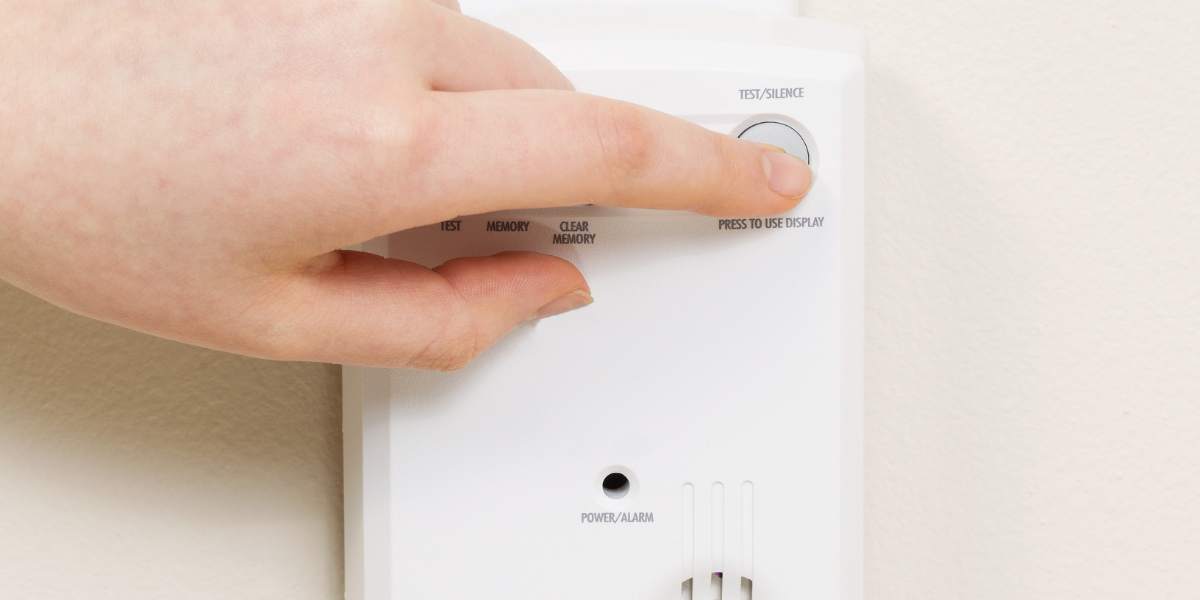
Finally, remember to test your detectors monthly (there’s usually a little button for that) and replace batteries at least once a year. A good rule of thumb is to swap them out when you change your clocks for Daylight Saving Time. It’s a perfect, memorable excuse to give your invisible guardian some love.
So there you have it, folks! Proper placement of your carbon monoxide detector isn't rocket science, but it's certainly more nuanced than just sticking it wherever there's a convenient nail. A few thoughtful placements, and you’ve dramatically increased your home’s safety. Now go forth, bravely armed with this knowledge, and give your CO detectors the prime real estate they deserve!