
Problems In Balance May Follow Trauma To Which Nerve
.png)
Ever feel a little...off? Like the world is doing a gentle wobble even when you're standing perfectly still? We've all been there, maybe after a particularly enthusiastic roller coaster ride or after spinning a little too long during a party game. But for some, that off-kilter feeling sticks around. And sometimes, believe it or not, it can be traced back to a surprising source: trauma.
Now, when we say "trauma," we're not just talking about stubbing your toe. We mean significant events – accidents, falls, even surprisingly jarring experiences – that can, indirectly, mess with your sense of balance. But how on earth does that happen?
The key player in this wobbly tale is a tiny but mighty nerve called the vestibulocochlear nerve. Sounds fancy, right? Let's just call it the "balance and hearing nerve" for simplicity's sake. This nerve is basically the superhighway between your inner ear (where your balance is finely tuned) and your brain. It sends constant updates on your head's position and movement, allowing you to walk, run, and dance without face-planting every other step.
Must Read
Think of your inner ear as a highly sophisticated spirit level. It's filled with fluid and tiny hairs that detect movement. When you tilt your head, the fluid sloshes around, bending the hairs and sending signals to the balance and hearing nerve. That nerve then zips the information to your brain, which makes the necessary adjustments to keep you upright.
Now, imagine someone bumps the spirit level really hard. The fluid goes crazy, the hairs get bent out of shape, and the signals become garbled. That's kind of what can happen to your inner ear and balance and hearing nerve after a traumatic event, even if the trauma didn't directly involve your head.
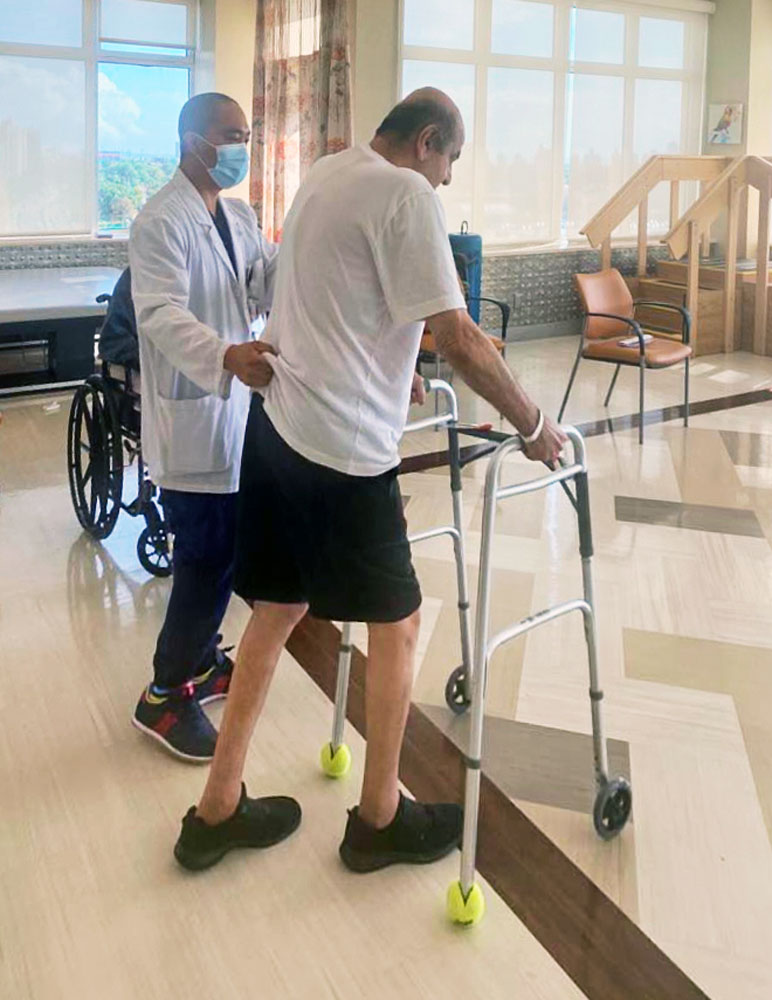
Here's where it gets interesting. The connection between trauma and balance isn't always obvious. Sometimes, the physical impact of a fall or accident can directly damage the inner ear or the balance and hearing nerve. Other times, the trauma can trigger inflammation or other changes in the body that indirectly affect the nerve's function.
And the effects? Oh, they can be a real mixed bag. Some people experience vertigo – that awful spinning sensation where you feel like you're on a merry-go-round that won't stop. Others have difficulty with coordination, making them prone to tripping or bumping into things. Still others feel a constant sense of unsteadiness, like they're walking on a boat.
It's not always fun. Imagine trying to pour a cup of coffee when the room is swaying back and forth. Or attempting to navigate a crowded grocery store when your brain is constantly telling you that you're about to fall over. It can be incredibly frustrating and isolating.
The Good News: There's Hope!
Thankfully, balance problems caused by trauma are often treatable. One of the most effective therapies is something called vestibular rehabilitation. It's like physical therapy for your inner ear and brain. Therapists use specific exercises to retrain your brain to process balance information correctly and compensate for any damage to the balance and hearing nerve.

These exercises can be surprisingly simple – things like eye movements, head rotations, and balance drills. But they can make a huge difference in restoring a person's sense of stability and confidence.
And here's a heartwarming tidbit: sometimes, the process of recovering from a balance disorder can actually lead to a deeper understanding of your own body and resilience. People who have struggled with balance issues often develop a greater appreciation for the simple act of walking and a newfound respect for their own inner strength.

So, the next time you feel a little wobbly, remember the unsung hero of balance – the balance and hearing nerve. And if you've experienced a trauma that has affected your balance, know that you're not alone and that help is available. With a little patience and the right therapy, you can get back on your feet – literally and figuratively – and rediscover the joy of a steady, balanced life.
And who knows, maybe you'll even become a master of that roller coaster after all.