
Price For A Barrel Of Gas

Alright, pull up a chair, grab your imaginary latte, because we're about to dive into one of life's great mysteries: the price of a barrel of gas. Or, as I like to call it, the invisible wizard behind the curtain of your car's fuel tank.
You know the drill. You pull up to the pump, squint at the glowing numbers, and often let out an audible gasp, or maybe a tiny, internal scream. "What in the actual...?" you mutter, as your wallet spontaneously combusts. But while you're focused on the dollar-per-gallon, there's a whole other drama playing out backstage: the price of a barrel of crude oil.
First, a quick clarification that's often a head-scratcher: when we talk about the price of a "barrel of gas," we're actually talking about the price of a barrel of crude oil. Yep, the black, sludgy stuff that looks like it just escaped a dinosaur's spa day. Your car doesn't run on crude oil (unless you're operating some kind of Mad Max contraption).
Must Read
Crude oil is the raw material, the granddaddy, from which gasoline (among many other things) is refined. Think of it like this: you don't buy a barrel of bread; you buy a loaf. But the price of wheat (the crude oil equivalent) heavily influences that loaf. A barrel, by the way, is traditionally 42 US gallons. And from that glorious 42 gallons of crude, you actually get about 19-20 gallons of gasoline. The rest? Diesel, jet fuel, asphalt, plastics, and practically everything else that makes modern life possible. It's a miracle barrel!
So, What Makes This Invisible Wizard Wield Its Wand?
Oh, buckle up, buttercup, because it's a wild ride. The price of that barrel of crude is influenced by more factors than a cat has lives (or at least, more than I can count on my fingers and toes).
1. The Classic Supply and Demand Tango
This is economics 101, but with a lot more drama. If the world suddenly needs a gazillion more cars (demand up) and production takes a nap (supply down), prices shoot through the roof faster than a rocket on payday. Conversely, if everyone bikes and oil fields are pumping like crazy, prices usually dip.
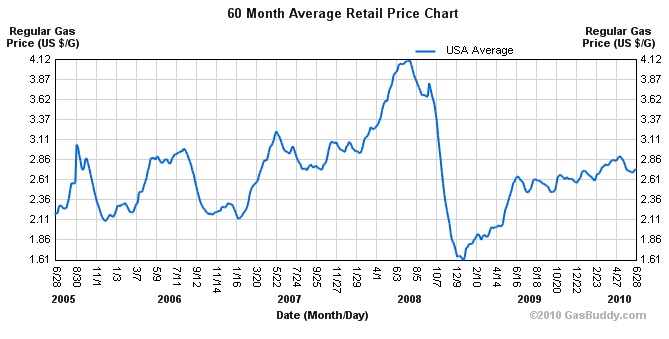
Key players? The big oil-producing countries, especially OPEC (Organization of the Petroleum Exporting Countries). They're like the powerful conductors of a global orchestra, deciding how much oil to play. But then non-OPEC nations like the US, with its shale boom, add their own unpredictable solos.
2. The Global Drama Club (Geopolitics)
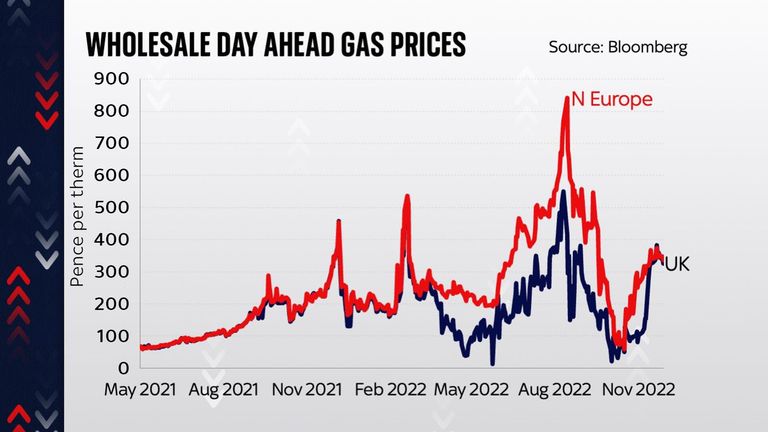
This is where things get spicy. A little tiff between nations here, a new sanction there, a sprinkle of political instability in an oil-rich region, and BOOM! Oil prices go absolutely bonkers. Why? Because the market freaks out about potential supply disruptions. Even the threat of a disruption can send prices soaring. It's like everyone holding their breath, waiting to see if a vital oil pipeline takes a sudden vacation.
Think of it as the ultimate reality show, but instead of housewives flipping tables, it's entire nations impacting your commute.
3. The Crystal Ball Brigade (Speculation)
Not content with just current events, we have an army of traders and investors trying to predict the future. They buy and sell "futures contracts" – agreements to buy or sell oil at a certain price on a certain date. If they collectively decide oil prices are going up next month, they start buying, which can push prices up today. It’s often a self-fulfilling prophecy, based on educated guesses and algorithms.
It's like a giant, global betting pool, where your gas tank is the jackpot (or the consolation prize).
4. The Mighty Greenback (The US Dollar)
Here's a fun one: crude oil is predominantly traded in US dollars. If the dollar is strong, oil becomes relatively cheaper for countries using other currencies (as they need fewer local currency units to buy those strong dollars). If the dollar weakens, oil becomes more expensive for them, which can push prices up globally. It's a bit like a currency seesaw, and oil is the kid in the middle.
5. Mother Nature's Mood Swings (Weather)
Believe it or not, a bad hurricane season in the Gulf of Mexico can knock out offshore drilling platforms, reducing supply. A harsh winter can spike demand for heating oil. Mother Nature, it turns out, is a surprisingly powerful oil market influencer, often without even trying.
6. The Oil Piggy Bank (Inventories)
How much crude oil is sitting in storage tanks? These are called inventories. High inventories generally mean plenty of supply, putting downward pressure on prices. Low inventories signal a potential shortage, driving prices up. Simple: "got plenty? Price low. Got none? Price high."
So, Why Doesn't My Pump Price Exactly Match the Barrel Price?
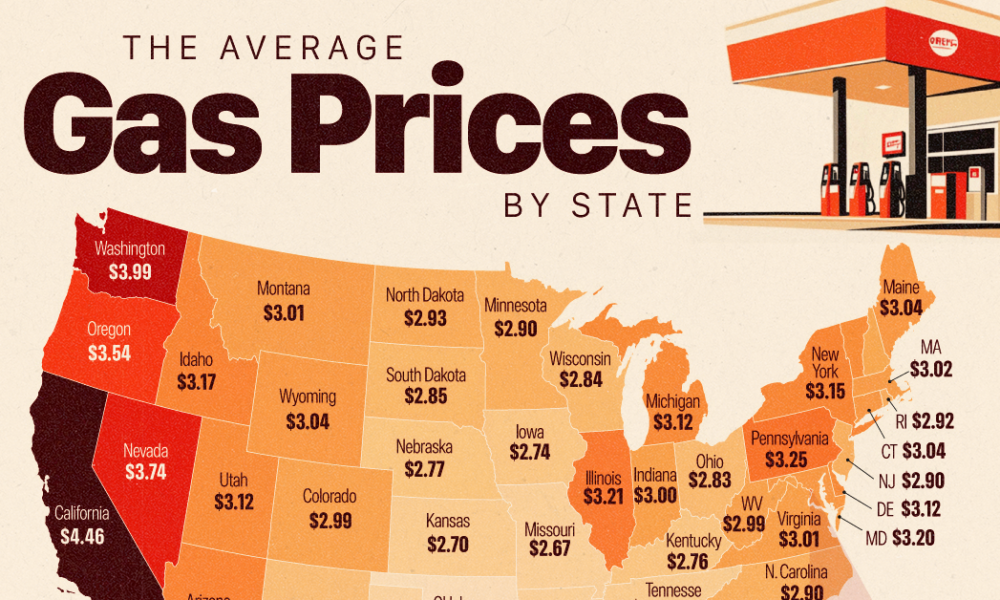
Ah, the age-old question! Even if the barrel price drops, you might not see an immediate, equivalent dip at the pump. This is because the price of crude is just one component. You've also got:
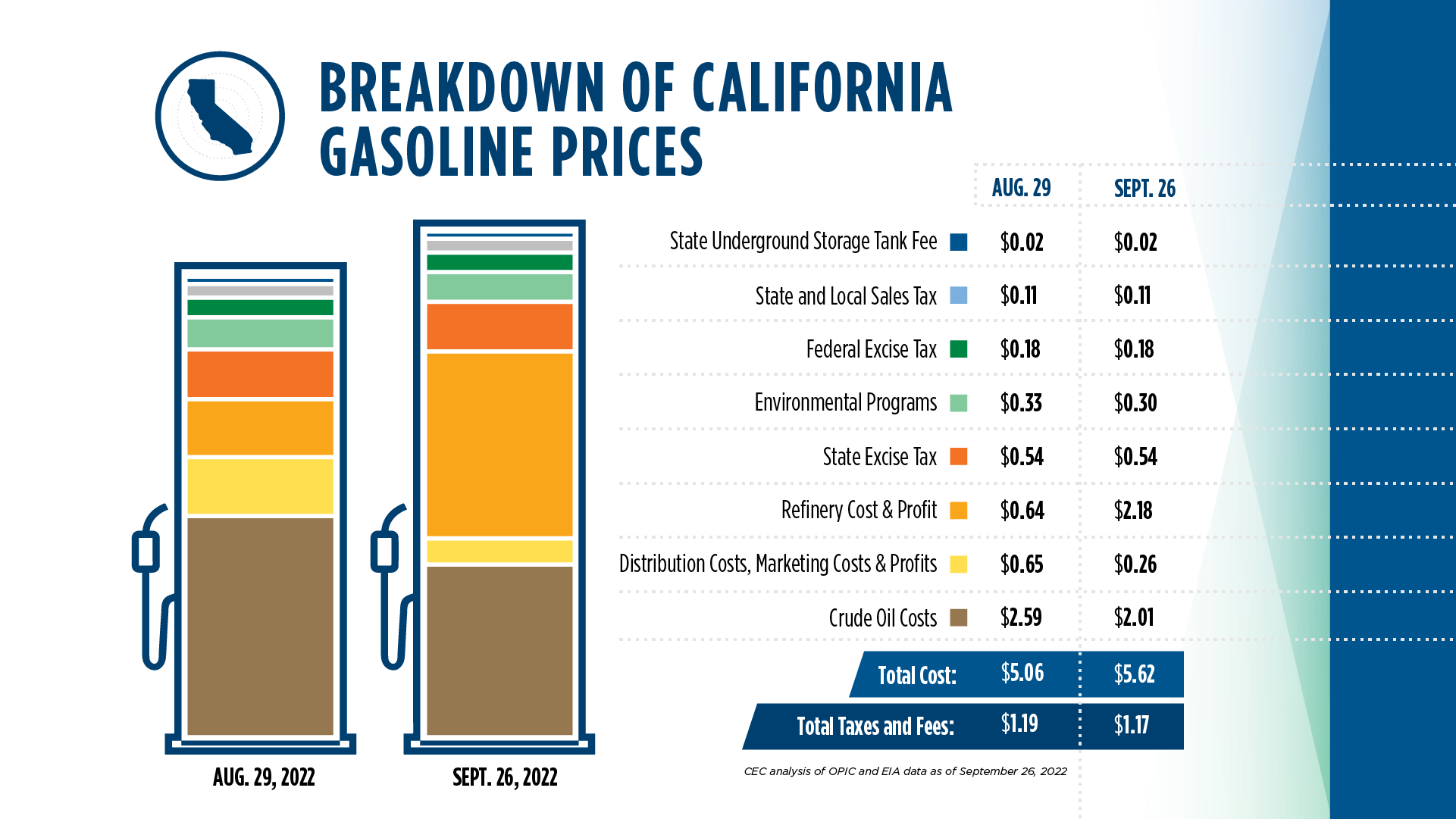
- Refining costs: Turning that black goo into usable gasoline isn't free.
- Transportation costs: Shipping crude to refineries, then gasoline to stations.
- Marketing and distribution: The gas station needs its profit!
- Taxes, taxes, and more taxes: Federal, state, local... Uncle Sam (and Aunt State) always get their cut.
So, the barrel price is the foundational melody, but all these other costs are the accompanying instruments, sometimes playing a slightly off-key tune.
Ultimately, the price of a barrel of gas (read: crude oil) is a fascinating, dizzyingly complex global dance of economics, politics, human behavior, and even the weather. It's a constant, unpredictable ballet that dictates, in part, how much pain your wallet feels every time you hear that satisfying click of the gas pump handle.
So next time you're filling up, take a moment to appreciate the sheer number of invisible forces, powerful players, and speculative gamblers all contributing to that number on the screen. And maybe, just maybe, send a silent plea to the universe for stable geopolitics and good weather. Your car (and your bank account) will thank you.