
Pressure Point For Sciatic Nerve Pain
Hey there, friend! So, your sciatic nerve is throwing a party in your lower back and leg, and nobody invited you? Yeah, sciatica. It's a real pain in the… well, you know. But don't worry, we're going to chat about a potential (and super easy!) way to potentially ease that discomfort: pressure points!
Now, I'm not a doctor, okay? So, always chat with your healthcare professional before trying anything new. But, hey, sometimes a little DIY acupressure can make a world of difference. Think of it as a mini spa day for your nerves! (Except instead of cucumber slices, we're using our fingers. Slightly less glamorous, I admit.)
What's the Deal with Pressure Points?
Okay, quick and dirty explanation: Pressure points are specific spots on your body that, when stimulated, can send signals to other areas. It's like a secret code your body understands. Acupressure, the technique of applying pressure to these points, has been used for centuries in traditional Chinese medicine. The idea is to help release tension, improve blood flow, and, hopefully, give your sciatic nerve a little peace and quiet.
Must Read
Finding the Right Spots (and Why They Might Tickle)
Alright, let's get to the good stuff! Here are a few pressure points that are often associated with sciatica relief. Remember, these might not work for everyone, but they're worth a shot, right? And hey, worst case scenario, you got a free massage from yourself! (Self-care win!)
1. GB30 (Gallbladder 30) - The Hip Hinge Helper
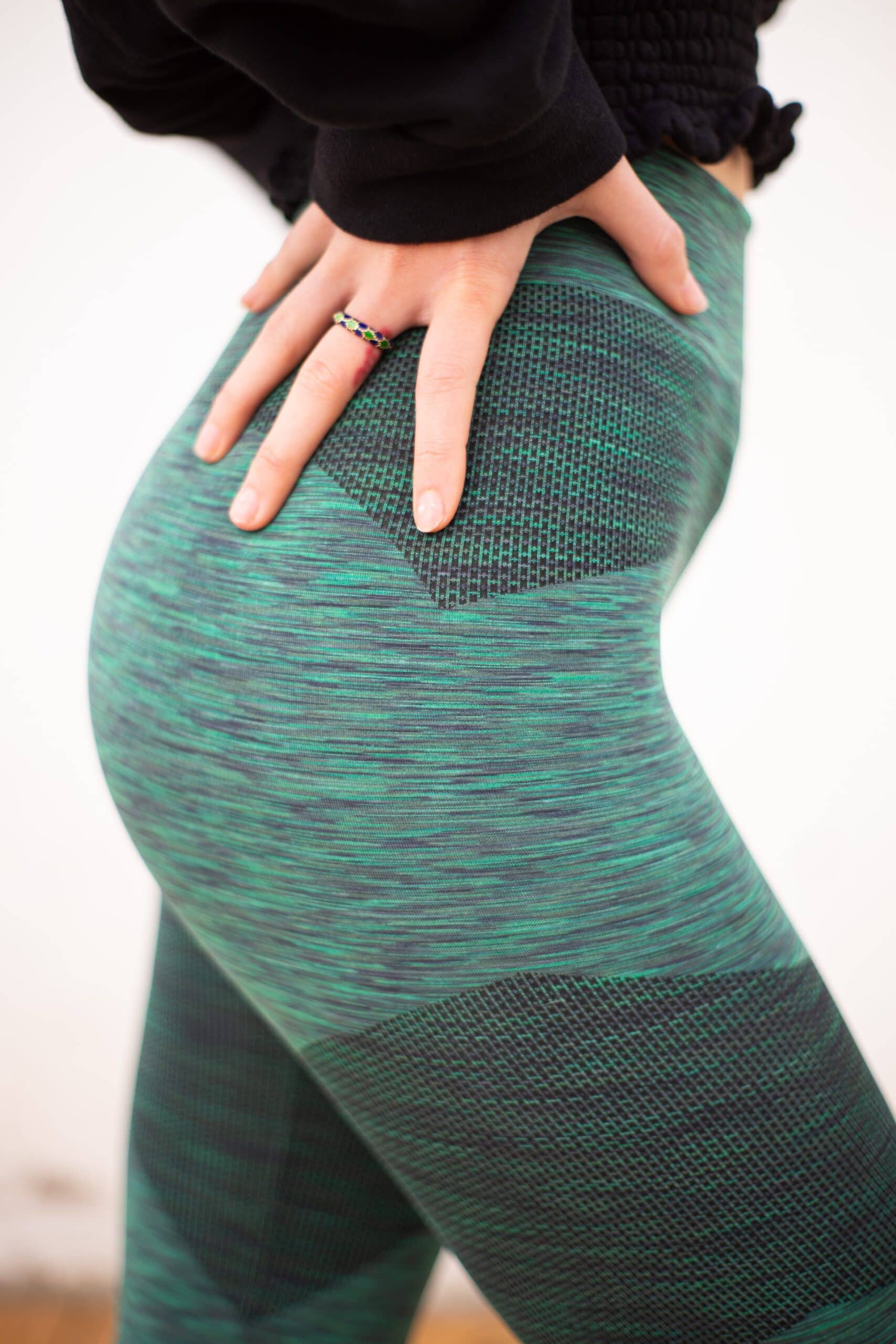
This one's located in the buttock region. Yep, we're going there. Find the greater trochanter (that bony bump on the side of your hip). Then, find the sacrum (that bony part at the base of your spine). GB30 is located about a third of the way down from the sacrum, on the line connecting it to the greater trochanter. Basically, it's in the middle of your butt cheek. Don't be shy, give it a firm press. Applying pressure here is believed to relieve pain in the lower back, hips, and legs.

2. BL36 (Bladder 36) - The Leg Lifter
This pressure point is found on the back of the thigh. Stand up. Remember the crease in the middle of your buttock, from the GB30 description? Run your hand straight down the back of your leg to the middle of the crease behind your knee. Halfway between the crease and your buttock is the BL36 pressure point. Applying pressure here is thought to help with sciatic nerve pain that extends down the leg. Apply firm pressure, but not to the point of pain.
3. B54 (Bladder 54) – The Knee Comforter
Also on the back of the leg, this point is found in the centre of the crease behind the knee. Yep, that’s it. Simple! Applying pressure here may relieve stiffness in the back and provide relief for sciatica, lower back pain and leg cramps.
How to Apply Pressure Like a Pro (or at Least Like Someone Who Knows What They're Doing)
Okay, so you've located the pressure point. Now what? Here’s the lowdown:
- Find a comfortable position: Sit, stand, lie down – whatever works for you.
- Use your fingers or thumb: Gently but firmly press on the pressure point.
- Apply circular motions or sustained pressure: Experiment to see what feels best.
- Breathe deeply: Inhale and exhale slowly to help relax your muscles.
- Listen to your body: If it hurts, stop! You're not trying to win a prize for the most intense acupressure session.
- Do it for a few minutes: Aim for 30 seconds to a couple of minutes per pressure point.
You might feel a slight tenderness or even a little ache, but it shouldn't be sharp or unbearable pain. And remember, consistency is key! You probably won't feel like a new person after one session, but regular acupressure might just help ease your discomfort over time.

Important!: Never apply pressure directly on open wounds, inflamed areas, or varicose veins. And if you're pregnant, definitely talk to your doctor before trying any acupressure techniques.
Don't Forget the Bigger Picture
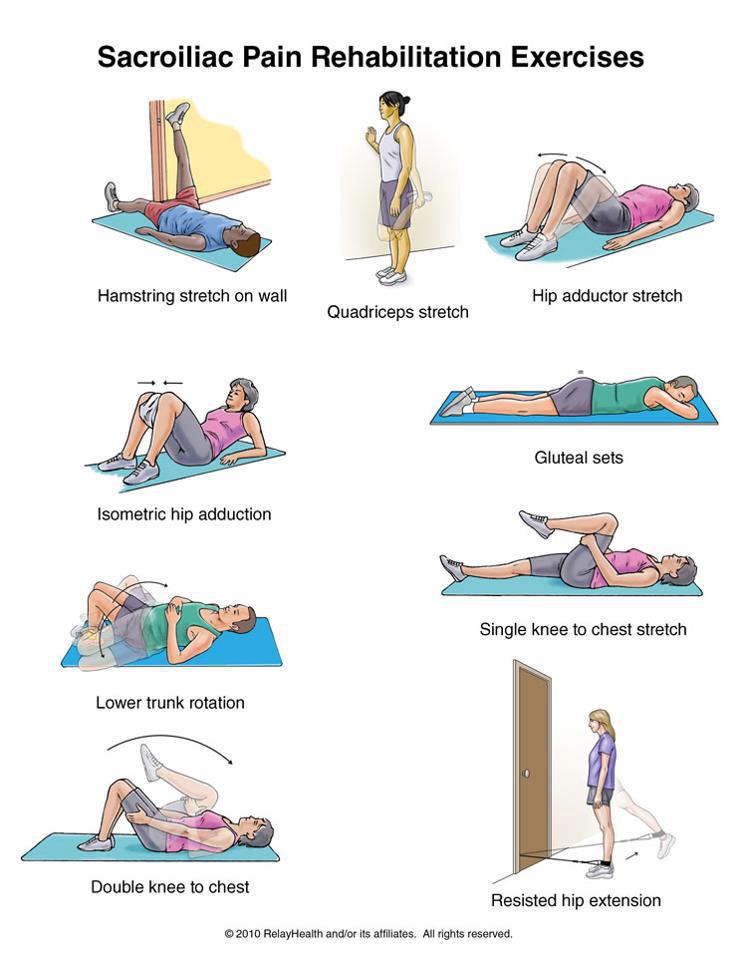
While pressure points can be helpful, remember that sciatica can be caused by various things. Things like poor posture, lack of exercise, or even just sitting for too long. So, try to incorporate other healthy habits into your routine, like stretching, regular exercise (with your doctor's okay, of course!), and maintaining good posture.
So, there you have it! A little pressure point pep talk for your sciatic nerve. Remember, this isn't a magic bullet, but it might just offer some relief. Give it a try, be patient, and most importantly, be kind to your body. You deserve it! Now go forth and conquer that sciatic pain… one pressure point at a time! And hey, if all else fails, at least you got a mini massage out of it. You’re welcome!
