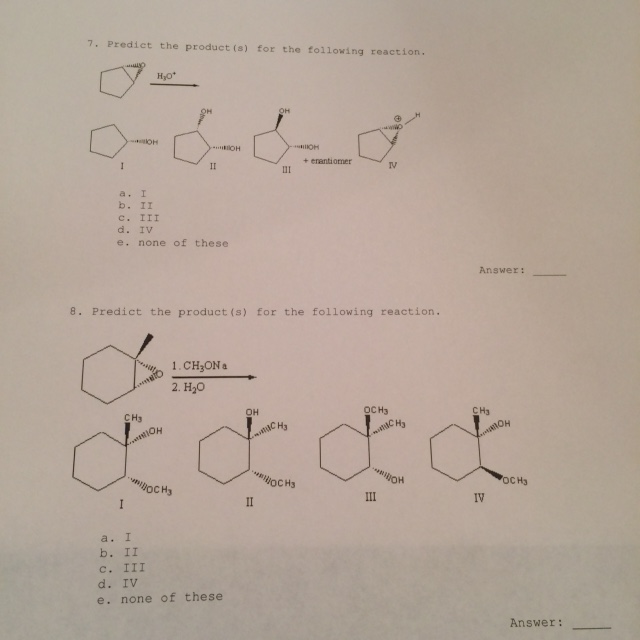
Predict The Products Of The Following Reaction
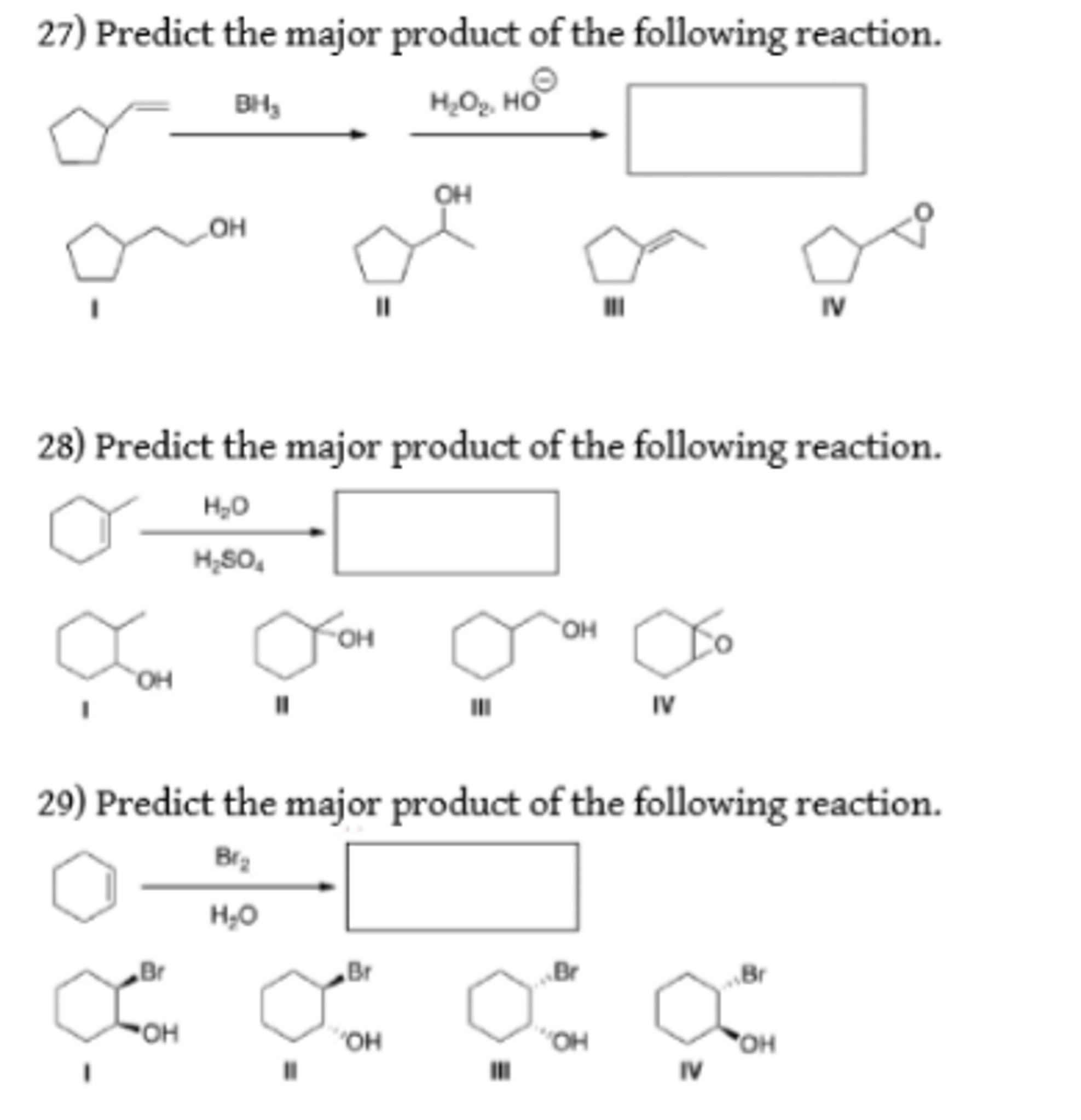
Okay, folks, gather 'round! We're about to dive headfirst into the thrilling (yes, thrilling!) world of chemical reactions! Now, I know what you might be thinking: "Chemistry? Sounds like high school detention!" But trust me, this is way more exciting than memorizing the periodic table. We're talking about predicting the future, people! Or at least, predicting what happens when you throw a bunch of ingredients into a chemical pot.
Imagine you're a culinary wizard, but instead of making soufflés, you're conjuring up… well, different stuff! Let's say you have a recipe that calls for two mystery ingredients: Ingredient A and Ingredient B. Your mission, should you choose to accept it, is to figure out what happens when these two lovebirds get together and have a… chemical baby.
The Art of Guessing (With Style!)
So, how do we become these chemical fortune tellers? First, let's think of reactions like dating. Sometimes, two things just click, like sodium and chloride – bam! Table salt, the star of every meal! Other times, there's a bit of a dance, a shuffle, a "maybe we should just be friends" situation. That's when things get interesting!
Must Read
Think of it like this: You have a couple, let's call them Sally and Bob (both chemicals, obviously). Sally is really into taking things apart and giving them away. Bob, on the other hand, is all about grabbing onto things and holding them tight. Now, if Sally comes across a molecule that's just begging to be taken apart, and Bob's around to catch the pieces, you've got a reaction! Fireworks may or may not ensue.
To predict what happens, you need to understand the personalities of our ingredients. Are they greedy? Are they generous? Are they easily distracted by shiny objects (electrons, in this case)?
Decoding the Clues: The Law of Chemistry Detective Work
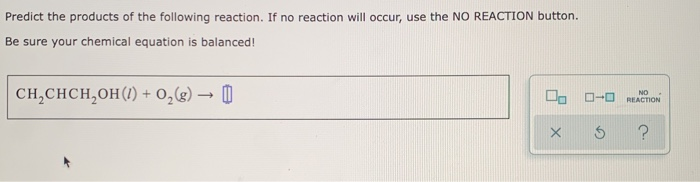
Fortunately, we have clues! Chemical equations, those strings of letters and numbers that look like alien poetry, are actually roadmaps to chemical romance (or… well, chemical change). These equations tell us what we're starting with (the reactants) and what we're likely to end up with (the products). It's like reading the back of a cereal box to find out what prizes are inside!
Let's pretend we have a ridiculously simple example. We have element X and element Y hanging out. If we know that X is a real go-getter and likes to bond with almost anything and Y is very reactive element, they will likely form XY!
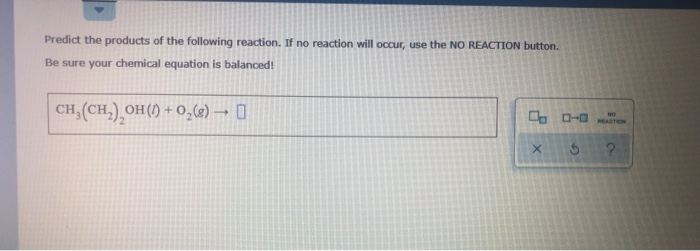
Now, I know what you're thinking: "But what if it's not that simple?" And you're right! Sometimes it's not. Sometimes you have to consider things like temperature, pressure, and the presence of a third, uninvited guest who stirs up trouble (a catalyst, perhaps?). It's like planning a wedding – there are always unexpected complications!
But don't worry! Even if things get messy, the fundamental principle remains: things want to be stable.
Atoms are inherently lazy. They want to be at the lowest energy state. It's like a thermodynamic law that everyone respects. So, if a reaction can rearrange things to make everyone happier (i.e., lower energy), it will!
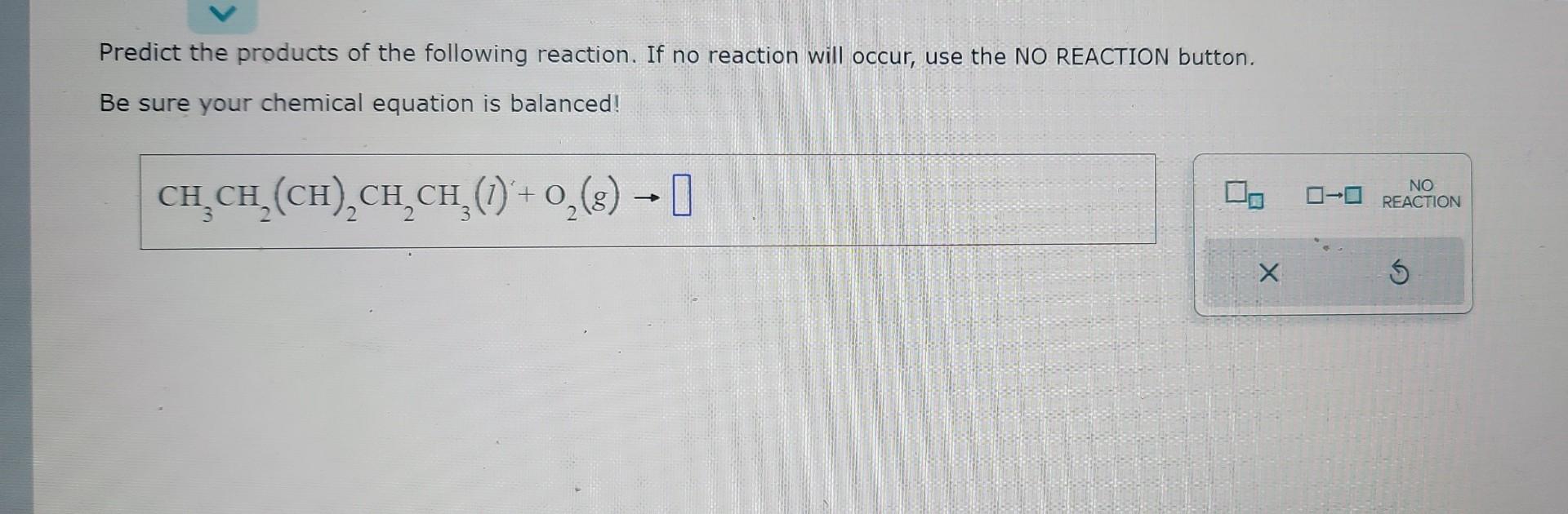
Example time: Let's say we have methane (CH4) and oxygen (O2). We all know what happens here, right? FIRE! (Okay, controlled combustion, but let's go with fire.) The methane and oxygen rearrange themselves to form carbon dioxide (CO2) and water (H2O). Why? Because those combinations are more stable. Boom! Prediction success!
Of course, there are tons of different reaction types. Some involve swapping partners, some involve taking things apart, some involve smashing things together like a chemical demolition derby. But the key is always the same: understand the players, understand the rules, and use a healthy dose of educated guessing!
The Reward for Your Hard Work
So, next time you see a chemical equation staring back at you, don't run away screaming! Embrace the challenge! Think of yourself as a chemical detective, a culinary wizard, a fortune teller of the atomic realm! Predicting the products of a reaction isn't just about memorizing facts; it's about understanding the fundamental principles of how the world works. And who knows? Maybe you'll even invent something amazing along the way!