
Precio De Pulsera De Oro De 10 Kilates
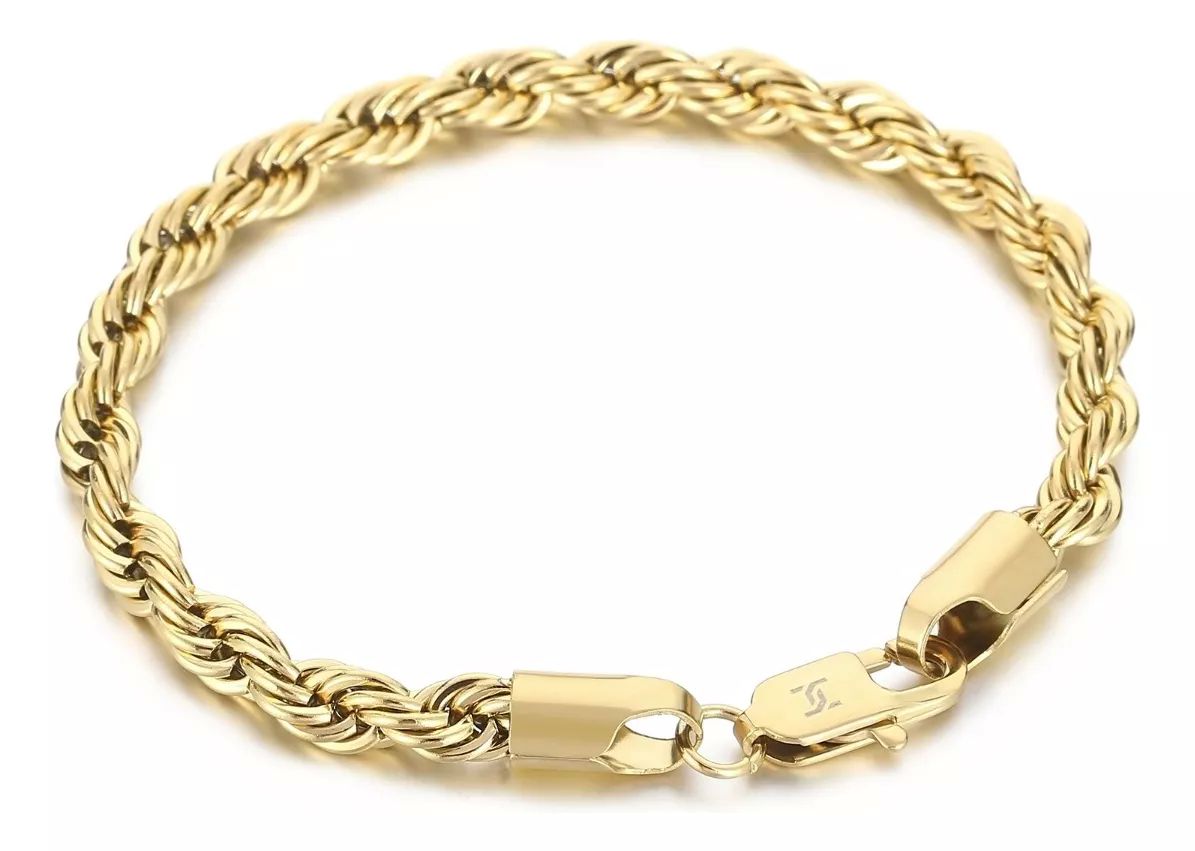
Ever wondered about the allure of gold jewelry, especially something like a 10-karat gold bracelet? It's more than just a shiny accessory; it's a fascinating blend of artistry, economics, and personal expression. Let's dive into the world of these bracelets and explore what influences their price and why they're so captivating.
First, let's understand what a 10-karat gold bracelet actually is. Karatage refers to the purity of the gold. 24-karat gold is pure gold, but it's too soft for most jewelry. 10-karat gold means the bracelet is about 41.7% gold, mixed with other metals like silver, copper, or zinc. This blend makes it more durable and affordable than higher-karat gold. The purpose of a gold bracelet, like any jewelry, is primarily aesthetic. It's a statement piece, a way to add a touch of elegance or personality to your look. Beyond aesthetics, some people believe gold has certain metaphysical properties, promoting well-being or bringing good luck, though this is based on personal belief rather than scientific evidence.
But why consider a 10-karat gold bracelet specifically? Well, it strikes a nice balance. It still has that classic gold look, but the added alloys make it much more resistant to scratches and wear. This makes it a great choice for everyday wear, unlike a delicate 24k piece. The benefit is clear: you get the beauty of gold without the fragility and the higher price tag. Plus, the presence of other metals can influence the color. Depending on the mix, a 10k bracelet could have a warmer, yellow hue or a cooler, almost rose-gold appearance.
Must Read
So, what factors influence the precio de pulsera de oro de 10 kilates (the price of a 10-karat gold bracelet)? The most obvious is the current market price of gold itself. Gold prices fluctuate based on global economic factors, investor sentiment, and demand. Beyond that, the weight of the gold in the bracelet matters. A heavier bracelet will naturally cost more. The complexity of the design and the craftsmanship involved also play a significant role. A simple, machine-made chain will be less expensive than an intricately designed bracelet with hand-set gemstones. Finally, brand recognition and retailer markups can also contribute to the final price.

Interestingly, understanding the pricing of gold jewelry can even be used in educational settings. In economics classes, it can illustrate supply and demand principles. In math classes, it can provide real-world examples of percentage calculations and ratios (calculating the gold content in 10k gold, for instance). In daily life, being informed about these factors empowers you to make smarter purchasing decisions. Whether you're comparing prices online or negotiating with a jeweler, knowing what influences the cost gives you a distinct advantage.
Want to explore the world of 10-karat gold bracelets further? Here are a few simple tips. First, browse online retailers to get a sense of the range of styles and prices available. Pay attention to the weight of the gold in the description. Secondly, visit local jewelry stores to see bracelets in person. Examining the craftsmanship and the color variations can be very insightful. Finally, don't be afraid to ask questions! Jewelers are usually happy to explain the different factors that influence the price and help you find the perfect bracelet within your budget. You can even track gold prices yourself using online resources! Happy exploring!


