Portable Air Conditioner Power Consumption
Okay, picture this: It was the dog days of summer, the kind where the air itself feels like a thick, sweaty blanket. My apartment, bless its non-central-air heart, had officially achieved "sauna-with-benefits" status. Desperate, I did what any self-respecting, heat-exhausted human would do: I impulse-bought a portable air conditioner. The moment that glorious, albeit slightly industrial-looking, contraption started humming and pushing out actual cold air, I felt like a superhero. My personal Arctic oasis! For about a week, anyway.
Then the electricity bill landed. Gulp. It wasn't just a bill; it was a small novel, written in a language I didn't understand but whose total screamed, "You done messed up, son!" My wallet suddenly felt as hot and bothered as I had been before the AC arrived. That's when I started to wonder, with a mix of dread and morbid curiosity: just how much power does this thing actually devour? And that, my friends, is why we're here today – to pull back the curtain on the hungry beast that is portable AC power consumption.
The Raw Numbers: How Much Juice Are We Talking About?
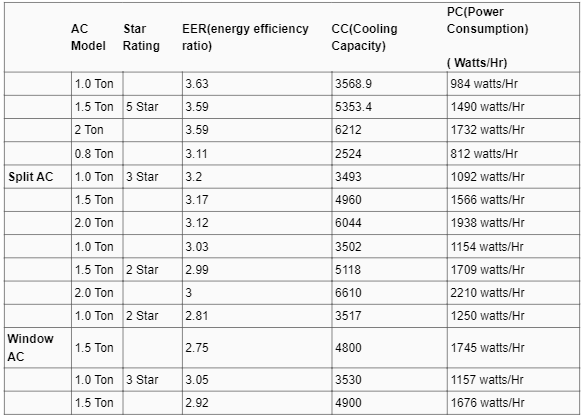
Let's get down to brass tacks, shall we? Portable ACs are not exactly known for being energy-sippers. They're more like energy-guzzlers, or perhaps "energy-enthusiastic." Typically, you're looking at a power draw in the range of 1000 to 1500 watts (W). Some smaller, personal units might dip lower, say 700-900W, while beefier, room-cooling giants can easily climb to 1800W or even 2000W.
Must Read
What does that mean for your electricity bill? Well, electricity is usually measured in kilowatt-hours (kWh). One kilowatt is 1000 watts. So, if your 1200W portable AC runs for 8 hours a day, that's 9.6 kWh. Multiply that by your local electricity rate (which, let's be real, often feels like it's designed to make you cry), and you'll see those numbers add up faster than you can say "sweat equity." For context, your fridge probably uses way less over 24 hours, and even a microwave only draws high power for a few minutes at a time.
What Makes These Things So Thirsty?
There are a few key players in the portable AC's power appetite. Knowing them can help you make smarter choices, you savvy consumer, you!
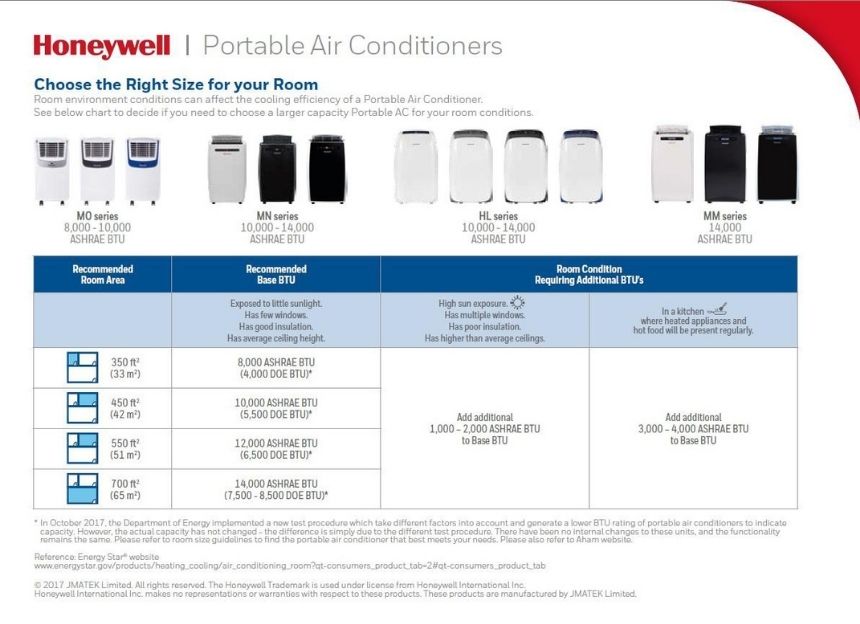
- BTUs (British Thermal Units): This is the cooling capacity. The higher the BTU, the more powerful the AC, and generally, the more power it consumes. It's like asking a small car to tow a truck – more work, more fuel. An 8,000 BTU unit will use less than a 14,000 BTU unit, for obvious reasons.
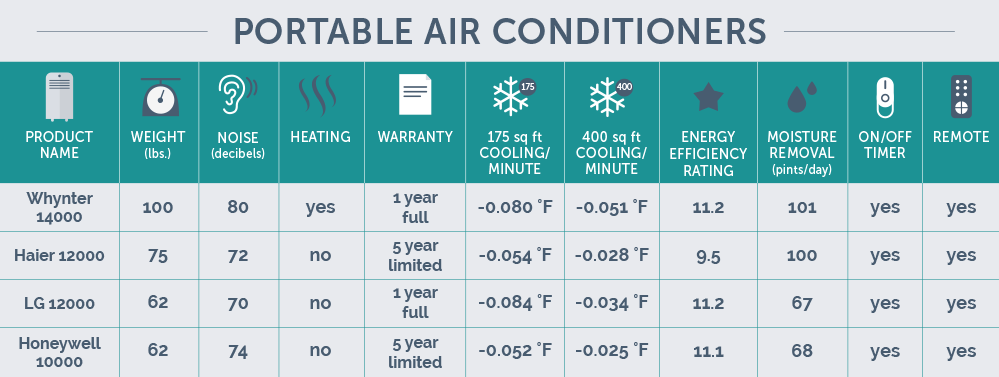
- EER (Energy Efficiency Ratio): This is your new best friend. It's a measure of how efficiently an AC converts electricity into cooling power. A higher EER number means better efficiency. So, if you're shopping, always compare EERs! It can make a significant difference in the long run.
- Room Size & Insulation: Trying to cool a ballroom with a unit designed for a walk-in closet? Or cooling a room with paper-thin walls and leaky windows? Your AC will work overtime, constantly battling the heat trying to creep in. It's a losing battle for your wallet.
- Outside Temperature: Fighting a scorching 100°F (38°C) day is a lot harder for your AC than a mild 80°F (27°C) day. The harder it works, the more power it draws.
- Settings: Blasting the fan on high constantly or setting the temperature ridiculously low (like 60°F/15°C when it's 95°F/35°C outside) will make your AC run harder and longer, thus consuming more power.
Tips to Tame the Beast (and Your Bill)
Alright, so we've established that portable ACs are a bit like a high-maintenance friend – great to have around, but they demand their tribute. But fear not, there are ways to minimize their impact on your electricity bill!
First off, right-size your unit. Seriously, don't get an 8,000 BTU unit for a large living room, nor a 14,000 BTU monster for a tiny bedroom. Too small, it runs constantly and inefficiently. Too large, it cycles on and off too frequently, which is also inefficient. Do a quick search for BTU-to-square-footage charts.
Next, and this is crucial: vent it properly! Portable ACs need to exhaust hot air outside. If that vent hose is leaky, or if your window seal kit looks like a toddler installed it, you're just inviting hot air back into the room. Seal those gaps like your life (or at least your wallet) depends on it.
Consider pre-cooling. Get the room cool before the afternoon sun turns it into an oven, then let the AC maintain that temperature. It's often more efficient than trying to chill a super-heated space from scratch.
Be smart with your thermostat settings. Every degree lower costs more. Aim for a comfortable, not arctic, temperature – 75-78°F (24-26°C) is often a good sweet spot. And use the timer function! Why cool an empty room?

Clean those filters! A clogged filter makes your AC work harder to pull air through, reducing efficiency and increasing power consumption. It's like trying to breathe through a pillow. Do it regularly, it’s easy!
Finally, team it up with a fan. An oscillating fan or ceiling fan can help circulate the cold air more effectively throughout the room, allowing you to set the AC a little higher or even run it on a lower setting. It's a simple, brilliant hack, if I do say so myself.
So, there you have it. Portable ACs are undeniably brilliant for personal comfort during those inescapable heatwaves. They are, however, not cheap dates when it comes to electricity. But by understanding their power consumption and implementing a few smart strategies, you can keep your cool without completely emptying your wallet. Stay frosty, friends!