
Portable Air Conditioner Electricity Cost

Ah, summer! Those glorious, sun-drenched days filled with outdoor adventures, backyard BBQs, and… the inevitable sweat-drenched evenings. For many of us, a central air conditioning system just isn't in the cards, or maybe you just need to cool down that one specific room that always feels like a tropical sauna. Enter the hero of targeted comfort: the portable air conditioner. It promises a personal oasis, but then that little voice in the back of your head pipes up: "What about the electricity bill?!"
Fear not, fellow comfort-seeker! We're here to demystify the portable AC's appetite for electricity, offering you the lowdown without drowning you in technical jargon. Think of this as your breezy, no-sweat guide to staying cool and keeping your wallet happy.
The Great Portable AC Debate: Your Wallet vs. The Heat
Let's be real, anything that cools a room uses electricity. It's just how the physics of comfort works. But how much juice does a portable AC really guzzle? Is it like leaving a dozen gaming PCs on all day, or more like a powerful hairdryer? The answer, as always, is it depends. But we can absolutely get you into the ballpark.
Must Read
The main factors influencing your bill are pretty straightforward:
- Your unit's wattage (or BTU): This is its cooling power.
- How long you run it: Obvious, right?
- Your local electricity rate: This varies wildly by region, time of day, and even season.
Knowing these three things puts you way ahead of the curve. It's like knowing the ingredients before you bake – you'll have a much better idea of the final product (your bill!).

Decoding the Dollars: What Really Powers Your Chill?
Most portable AC units consume anywhere from 500 to 1,500 watts (W) per hour. To make this relatable, let's simplify. Electricity is typically billed in kilowatt-hours (kWh). One kilowatt-hour is 1,000 watts used for one hour. So, a 1,000W unit running for one hour uses 1 kWh.
Now, let's plug in some numbers. Let's say your electricity rate is $0.15 per kWh (a common average, but do check your own bill!).
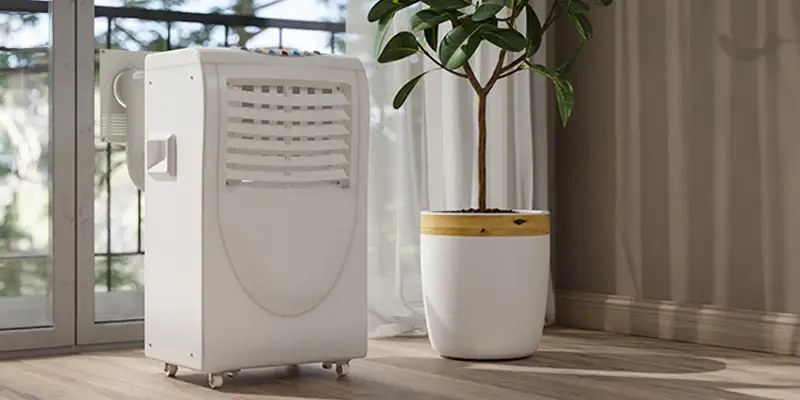
- A 1,000W portable AC running for 8 hours a day would cost: (1,000W / 1,000) * 8 hours * $0.15/kWh = $1.20 per day.
- Over a 30-day month, that's roughly $36.
Not too shabby for a month of blissful coolness in your main living space, right? Of course, a more powerful 12,000 BTU unit (often around 1,200-1,400W) will cost a bit more, maybe $40-$50 a month for similar usage. But compare that to baking in a sweltering room!
Fun Fact: Did you know that the average electricity rate in the US can range from under $0.10/kWh in states like Louisiana to over $0.25/kWh in Hawaii? Geography really matters when it comes to your power bill!

Smart Moves for Cooler Bills (and a Cooler You!)
Alright, so we know the basic math. But what if we told you there are super simple hacks to keep those costs even lower? Think of these as your secret weapons against the heat and high bills.
- Match BTU to Room Size: Don't buy an oversized unit for a small room, thinking it will cool faster. It'll just cycle on and off more often, using more energy inefficiently. Likewise, don't undersize it! Check sizing guides – they’re your friend.
- Seal the Deal: Make sure your windows and doors are properly sealed. Think of your AC trying to cool your neighborhood if air is escaping. Use weatherstripping or even a rolled-up towel at the bottom of a door.
- Embrace the Fan: Use a ceiling fan or oscillating fan in conjunction with your portable AC. Fans don't cool the air, but they create a wind-chill effect, making you feel cooler. This often allows you to set your AC a few degrees higher, saving energy.
- Clean Filters Regularly: A dirty filter makes your AC work harder, like trying to breathe through a thick blanket. Most portable AC filters are easy to pop out and rinse or vacuum. Do it monthly!
- Block the Sun: Keep blinds, shades, or curtains closed during the hottest parts of the day, especially on south-facing windows. Sunlight entering your room is basically free heating, which your AC then has to fight.
- Strategic Placement & Venting: Ensure your portable AC is properly vented out a window. An improperly vented unit just recycles hot air back into the room. Also, don't place it near heat-generating appliances.
- Use Timers & Smart Plugs: Many portable ACs come with built-in timers. Set it to turn on an hour before you get home, or off after you fall asleep. Smart plugs take this to the next level, allowing you to control your AC from your phone.
- Set a Reasonable Temperature: While a frosty 68°F (20°C) sounds divine, try setting your AC to a comfortable 75-78°F (24-26°C). Your body adjusts, and your wallet will thank you. For every degree you raise the thermostat, you can save 3-5% on cooling costs!
The Takeaway: Comfort, Consciously
Portable air conditioners are a fantastic solution for targeted cooling, offering flexibility that central AC simply can't. They let you create a comfortable zone right where you need it, whether it's your home office during a heatwave or your bedroom for a blissful night's sleep. And while they do use electricity, a little mindfulness and a few smart habits can keep those costs surprisingly manageable.
Ultimately, investing in your comfort is investing in your well-being. Knowing how to wield your portable AC wisely means you can enjoy those easy, breezy summer vibes without the nagging worry of a sky-high bill. Stay cool, live smartly, and enjoy every moment!
