Polygenic Traits Are Determined By Multiple Received From Each Parent.

Hey there, genetics geek (or genetics-curious friend)! Ever wonder why you're you? I mean, beyond the philosophical stuff, why you have that hair color, that height, and that quirky sense of humor? Well, a lot of it boils down to your genes, specifically something called polygenic traits. And trust me, it's way cooler than it sounds!
So, What's the Big Deal About Polygenic Traits?
Okay, imagine you're baking a cake. (Mmm, cake...). Some traits, like whether or not you use sprinkles, might depend on one single ingredient – boom, sprinkles or no sprinkles. That's like a single gene trait, super straightforward.
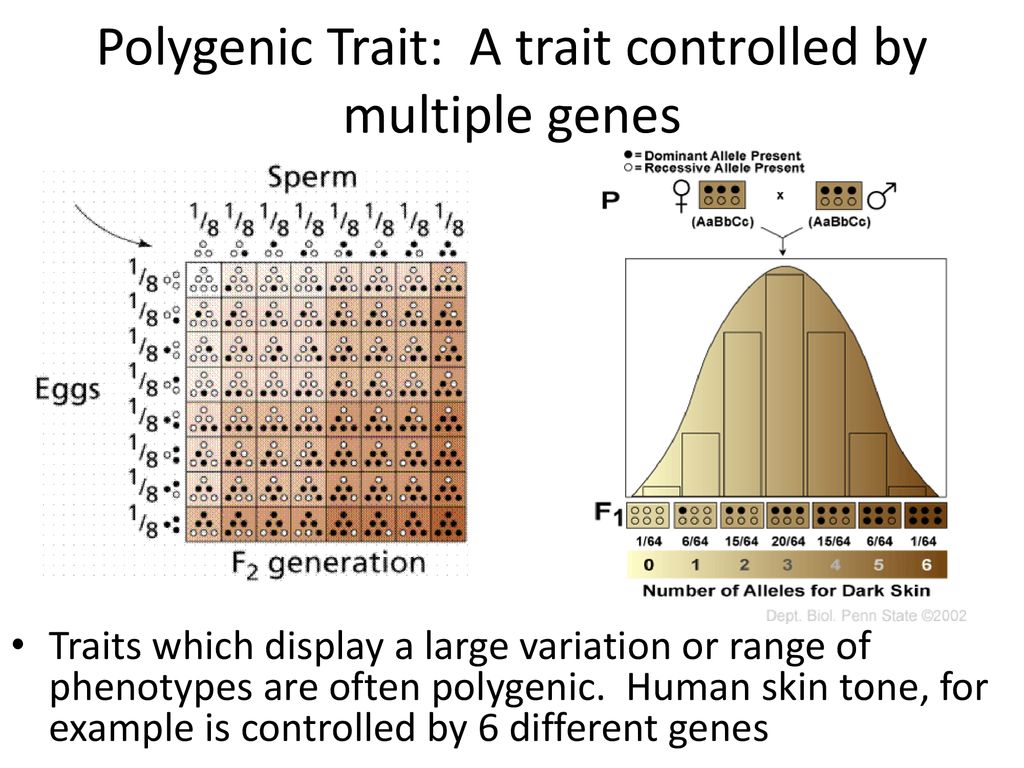
But polygenic traits are like baking a super complex, multi-layered masterpiece. It’s not just one ingredient (one gene) that determines the outcome. Instead, it's a whole bunch of ingredients (genes) working together, each adding their little bit to the final result. And where do these ingredients come from? Why, your parents, of course! Thanks, Mom and Dad! (Even if you got their slightly wonky nose. Hehe).
Must Read
Polygenic traits are determined by multiple genes, each inherited from both parents. It’s not like one gene says, "BLUE EYES ONLY!" and that's that. Nope. Several genes all chime in, influencing the amount of pigment produced in your irises. Think of it as a genetic committee, all voting on your eye color!
Multiple Genes, Multiple Possibilities!
Because you're getting a mix of genes from both Mom and Dad for each trait, the possibilities become, well, practically endless! That's why siblings can look so different, even though they share the same parents. They’re just getting slightly different combinations of those gene "ingredients."
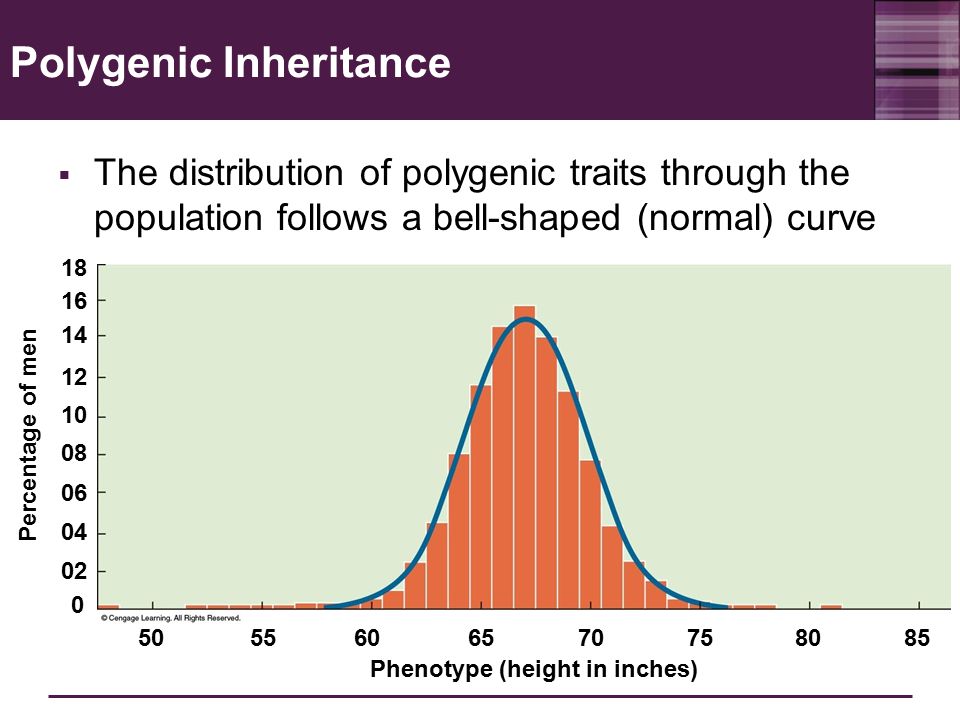
Think about height. It's not just one "tall" gene or one "short" gene. There are tons of genes that influence how tall you end up being. Some genes might affect bone growth, others might influence hormone production, and still others might impact nutrient absorption. Add to that environmental factors like nutrition during childhood, and you've got a super complex equation. (Don’t worry, you don’t have to actually do the equation!)
Other classic examples of polygenic traits include skin color, hair color, and even your risk of developing certain diseases like heart disease or diabetes. Basically, if a trait shows a wide range of variation within a population, it's likely polygenic. We’re talking a whole rainbow of skin tones, a spectrum of heights, and a multitude of personalities!

Why Is This Important? (Besides Being Super Interesting)
Understanding polygenic traits is crucial for researchers trying to figure out how genes influence complex diseases. Since these diseases are often affected by multiple genes working together, scientists need to study the interactions between these genes to develop effective treatments and preventative measures.
It also helps us appreciate the incredible diversity of human beings. We're all unique individuals, shaped by a complex interplay of genes and environment. It makes you want to celebrate how wonderful and different we all are! (Cue celebratory dance music!)

And hey, next time you’re looking in the mirror, remember that your amazing features are the result of a genetic masterpiece, carefully crafted by a team of genes inherited from your parents. You're a walking, talking, breathing work of art!
The Uplifting Conclusion!
So, embrace your polygenic traits! They're what make you, you – a one-of-a-kind, wonderfully complex individual. Now go out there and shine, knowing that you're a genetic marvel, a testament to the amazing power of heredity! And maybe bake yourself a cake to celebrate. (Sprinkles optional, of course!).