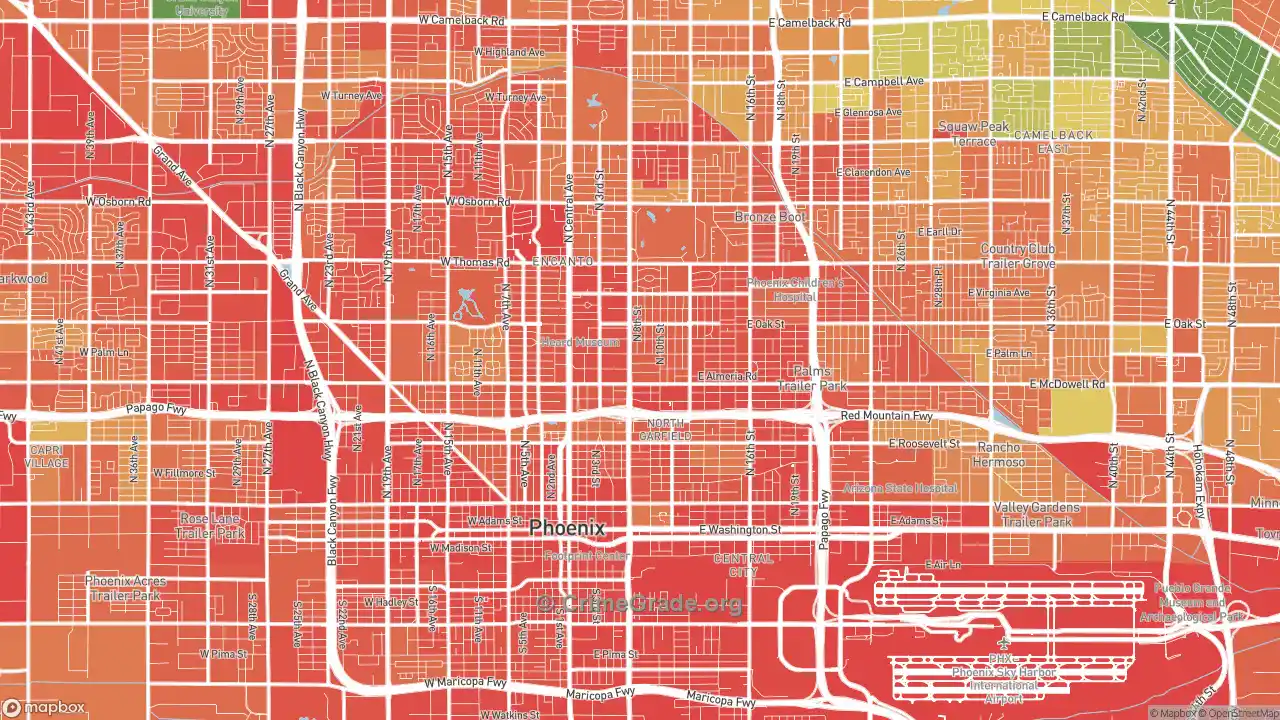
Phoenix Az Crime Rate Map

Hey there, friend! Grab a mug, settle in. We were just chatting about Phoenix, right? That sprawling desert gem with all the sunshine. Well, something popped into my head the other day that I thought we absolutely had to talk about, because it’s one of those things that sounds a little… intense at first blush, but is actually pretty fascinating when you dig in. I’m talking about the whole idea of a Phoenix AZ crime rate map.
Yeah, I know. You hear "crime map" and your brain probably immediately conjures up images from a dramatic TV show, all red zones and flashing lights. But honestly? It's usually not quite that dramatic in real life. Think of it more like a weather map, but instead of showing where it's raining, it's showing… well, where different kinds of trouble might have brewed recently. And just like a weather map, it's got its nuances, you know?
What Even Is This Map, Anyway?
So, picture this: you're thinking about moving to a new neighborhood in Phoenix, or maybe just curious about that cool coffee shop you heard about across town. A crime map is basically an online tool, often powered by local police data, that visually represents reported incidents over a specific period. It's usually color-coded or shows little icons for different types of crime. Super sci-fi, right? Not really. It’s usually just a bunch of dots on a regular street map.
Must Read
Now, before you go imagining the whole of Phoenix as one giant, glowing crimson blob of danger, let’s pump the brakes. Phoenix is a massive city. Like, seriously, it’s huge. It's the fifth-largest city in the U.S. You can practically drive for an hour and still be in Phoenix! So, of course, with that many people and that much area, there are going to be areas with higher reported incidents and areas with lower ones. That’s just… math, darling.
It’s not like the whole city is a uniform blanket of anything, really. Not crime, not good schools, not even consistent temperatures! (Okay, maybe the temperature is pretty consistently hot in the summer, but you get my drift.) The map simply breaks down that vastness into digestible bits. It’s like looking at a really detailed spice rack. Some jars are full of cayenne, others are cinnamon. You wouldn't say the whole spice rack is spicy, would you?

Don't Panic, It's Just Data!
The biggest takeaway here, honestly, is that a crime map is just data visualization. It’s not a crystal ball. It’s not telling you that you will be a victim if you step foot in a certain area. It's showing you what has happened. And even then, it's about reported incidents. There's a big difference between, say, a cluster of vehicle break-ins in a mall parking lot and, well, something far more sinister. The maps often let you filter by type of crime, which is pretty handy. Is it just a bunch of loud party calls? Or something more serious? Details matter, my friend.
I find it’s incredibly useful for getting a feel for a place. If you're house-hunting, for example, it can be a quick sanity check. "Hmm, this block seems to have a lot of property crime reported. Maybe I'll ask my realtor a few more questions about that particular street." It helps you be informed, not necessarily afraid. There's a big difference. It's like checking the weather before you go out – you grab an umbrella if it looks rainy, you don't just stay home forever!
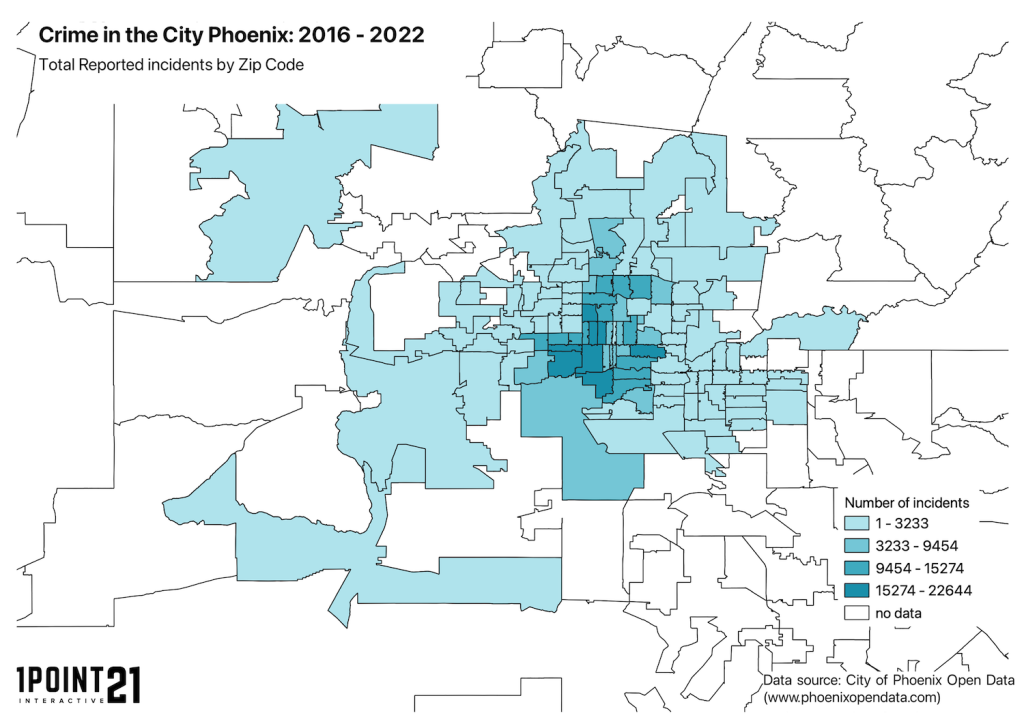
And let's be real, a lot of crime, especially in denser urban areas, is often concentrated around commercial districts, nightlife spots, or areas with more transient populations. That doesn't mean those places are inherently "bad," just that they might have more opportunities for certain types of incidents to occur. Think about downtowns everywhere – bustling, vibrant, but also sometimes a magnet for petty theft, right? It’s part of the fabric of city life, for better or worse.
Using Your Spidey Sense (and the Map!)
So, when you look at a Phoenix AZ crime rate map, take a breath. Don't let the colors or clusters instantly make you want to build a bunker. Instead, use it as a tool in your arsenal of common sense. Are you visiting a new neighborhood? Great, check the map. See if there are any obvious patterns. But also, use your eyeballs! What does the neighborhood feel like? Are people out walking dogs? Are the shops busy? Trust your gut, alongside the data.
Most importantly, remember that no map can ever capture the true spirit of a community or the daily lives of its residents. It’s a snapshot of reported incidents, not a definitive judgment on safety or quality of life. Phoenix, for all its vastness, is full of wonderful people, vibrant cultures, and absolutely stunning desert landscapes. A few dots on a map aren't going to change that. They just give you a little more info to navigate your way. So, next time you're curious, feel free to peek at one, but maybe do it with a cup of coffee in hand, not a panic button. Deal?