
Passive Infrared Sensor Vs Motion Detector
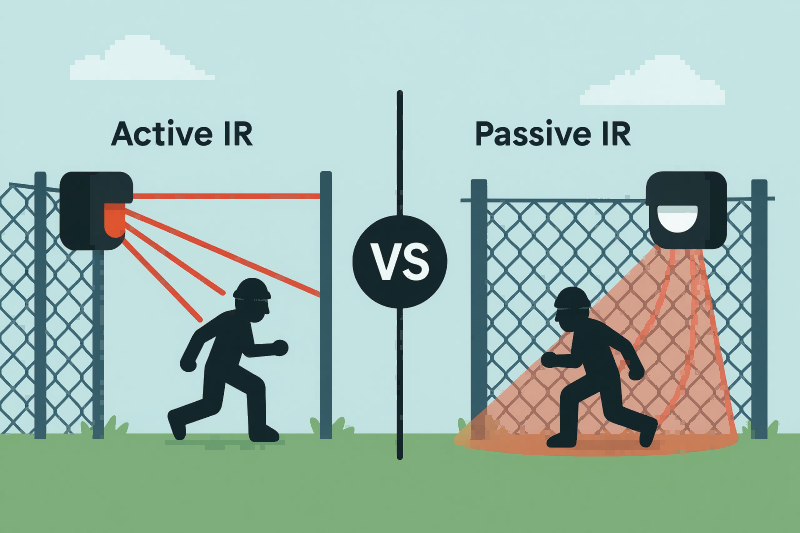
Hey there, tech explorer! Ever found yourself scratching your head, wondering about the difference between a "Passive Infrared Sensor" and a "Motion Detector"? Don't worry, you're not alone. It's one of those techy terms that sounds super complicated, but honestly, it's pretty fun once you peek behind the curtain. Think of me as your friendly, jargon-busting guide to the world of sensors. Let’s dive in!
The Big Reveal: What's the Deal with Motion Detectors?
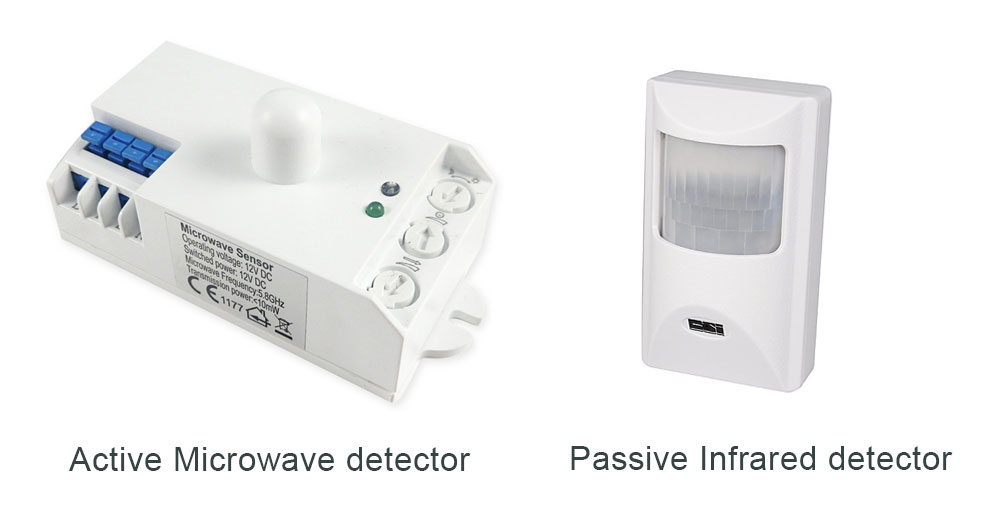
Alright, let's get this out of the way first, because it's like a little secret handshake of the sensor world: a Passive Infrared Sensor (PIR) is a type of motion detector! Mind blown, right? It’s kind of like asking the difference between a "fruit" and an "apple." An apple is a fruit! Similarly, PIR is one of the most common and widely used members of the motion detector family. So, when people talk about "motion detectors," they're often (but not always!) talking about PIRs.
Now that we've cleared up that little linguistic pretzel, let's meet the star of our show, the PIR sensor!
Must Read
Meet the PIR Sensor: Your Heat-Seeking Sidekick
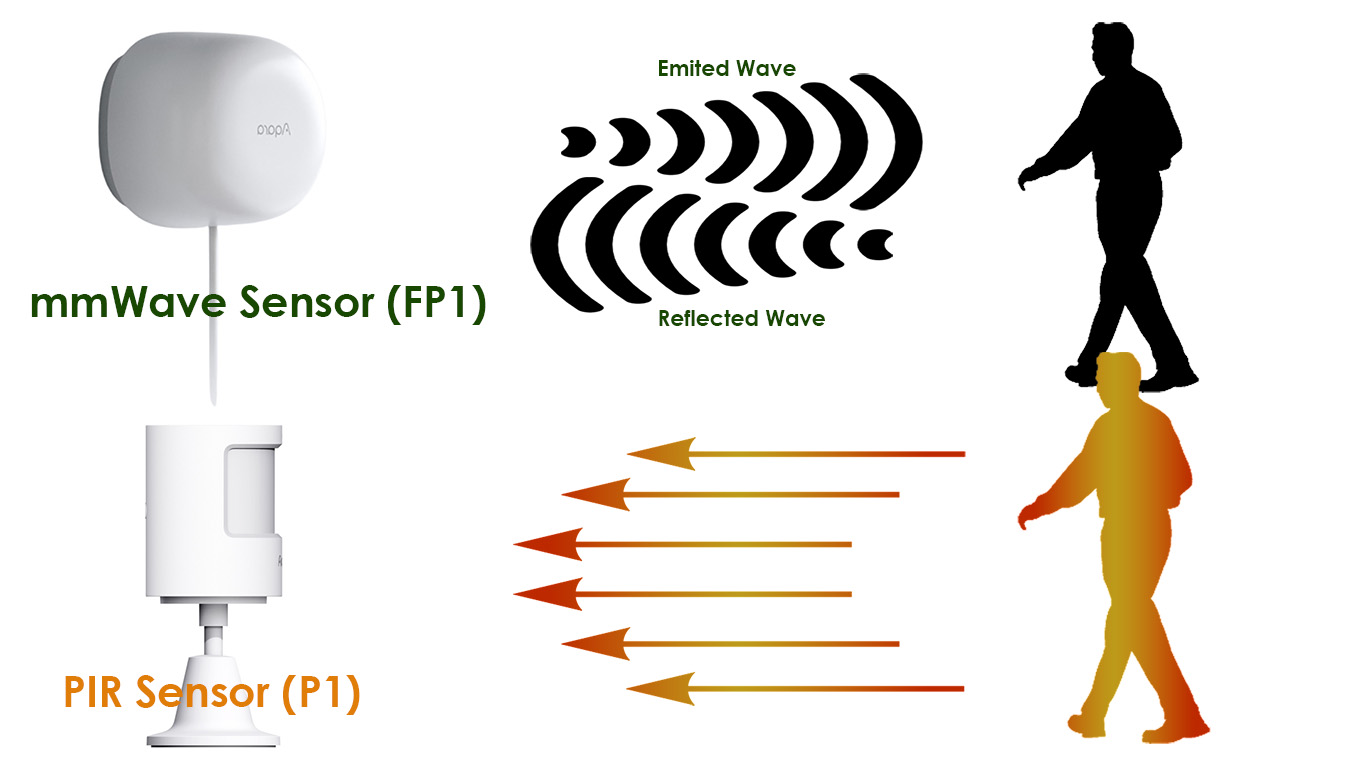
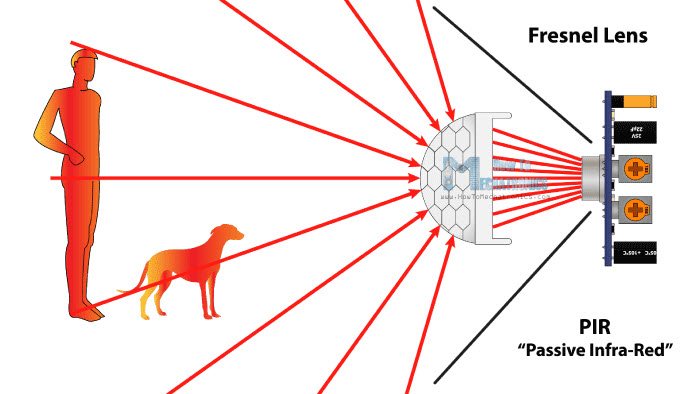
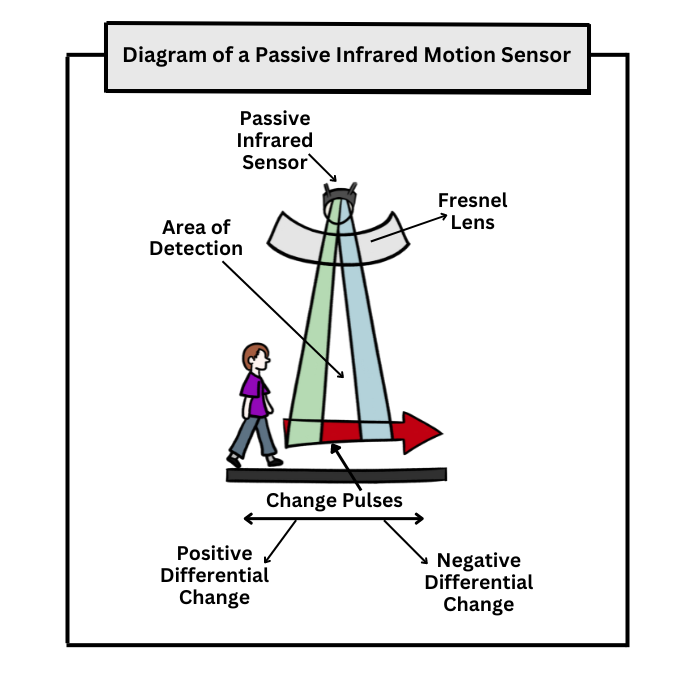
Imagine a superhero whose superpower is sensing heat. That's essentially what a Passive Infrared Sensor (PIR) does! These clever little gadgets are designed to detect changes in infrared radiation – basically, the heat emitted by living things (and some other stuff, but mostly people and pets). Every warm body gives off a certain amount of infrared energy.
When you (or a mischievous squirrel) stroll into a PIR sensor's view, you create a sudden change in that infrared pattern. The sensor notices this difference, screams (internally, of course), "Hey, something just moved!", and triggers whatever it's connected to – maybe a security light, an alarm, or a camera. They're passive because they don't emit anything themselves; they just passively listen for heat signals. Pretty cool, huh?
Pros of PIRs:
- They're super energy efficient because they're not constantly sending out signals.
- Generally reliable for detecting humans and larger animals.
- They won't get confused by air currents or vibrations.
Cons of PIRs:
- Can sometimes be triggered by pets (unless they're "pet-immune" versions).
- Not great at detecting movement through glass (like a window).
- Can occasionally be fooled by sudden temperature changes, like a blast of hot air from a vent.
Beyond PIR: The Other "Motion Detectors"
While PIRs are the popular kids, they're not the only motion detection game in town. There are other cool technologies that also fall under the "motion detector" umbrella. Let's briefly peek at a couple of their cousins:
1. Microwave Motion Detectors: The Radar Guns of Your Home
Unlike PIRs, which are heat-sensitive introverts, Microwave Motion Detectors are more outgoing. They actively send out microwave signals (like tiny radar guns) and listen for those signals to bounce back. If someone walks into the room, their movement distorts the returning microwaves, and boom – motion detected! They're like little sonar systems for your house.
Cool Fact: Because microwaves can penetrate walls and non-metallic objects, these sensors can literally "see" through certain barriers! Talk about superpowers!
2. Ultrasonic Motion Detectors: The Bat-Eared Guardians
These detectors are like tiny bats for your home security. Ultrasonic Motion Detectors emit high-frequency sound waves (that humans can't hear, thank goodness!) and measure the time it takes for those waves to bounce back. If there’s movement, the sound waves return at a different frequency (a phenomenon called the Doppler effect), triggering the sensor. They're great for smaller, enclosed spaces where you want really precise detection.
3. Dual-Tech Motion Detectors: The Best of Both Worlds!
Sometimes, one superhero isn't enough, right? That's why we have Dual-Tech Motion Detectors. These combine two different technologies, most commonly PIR and Microwave, to create a super-smart sensor. Both technologies have to be triggered simultaneously for an alarm to go off, which dramatically reduces false alarms. It’s like having two sets of eyes, making sure that what they’re seeing is actually important.
So, Which One Should You Pick?
Choosing the right "motion detector" (which, let's remember, often means picking the right type of motion detector) depends on what you need it for.
- For standard home security, outdoor lighting, or smart home automation, a PIR sensor is often your best, most affordable bet.
- If you need detection through non-metallic walls, a very wide area, or in harsh conditions, Microwave might be better (though often pricier).
- For very specific, small indoor areas where precise detection is key, Ultrasonic could be a good fit.
- And if false alarms are your absolute nemesis (looking at you, pet owners!), a Dual-Tech sensor is your ultimate champion.
The Takeaway: You're a Sensor Guru Now!
There you have it! What started as a potentially confusing tech topic is now, hopefully, a crystal-clear concept. You've uncovered the secret that PIR is just a fabulous member of the motion detector family, and you've met its clever cousins. Now, when someone asks about passive infrared vs. motion detectors, you can casually drop your knowledge bomb like the tech whiz you are!
Isn't it amazing how these tiny devices work tirelessly to keep our homes safe and our lives a little bit smarter? So next time you see a security light click on, give a little nod to the incredible technology doing its invisible dance. Stay curious, stay safe, and keep those good vibes flowing!