Passed Urine Test Failed Hair Test
Okay, let's talk about something that might seem a little awkward, but is actually super relevant for a lot of people: the curious case of passing a urine test but failing a hair follicle drug test. Why is this fun and useful? Because understanding the difference could save your job, your reputation, or just clear up some confusion! We're diving into the science and strategies behind these tests, so buckle up!
First, let's understand the purpose of these tests. Drug tests, in general, are used to detect the presence of drugs or their metabolites (the breakdown products of drugs) in your system. Employers, sports organizations, and legal systems often use them to ensure safety, compliance, and fair play.
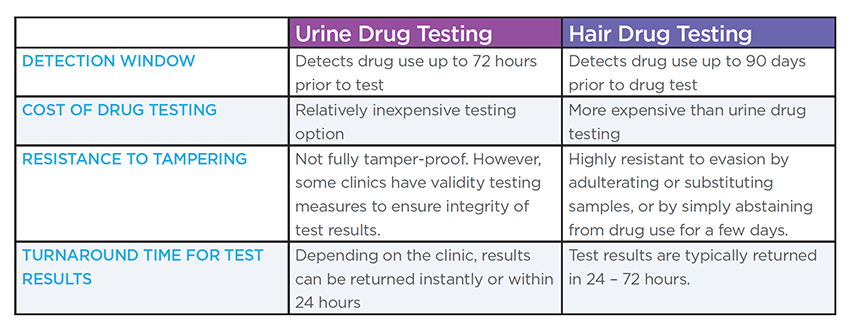
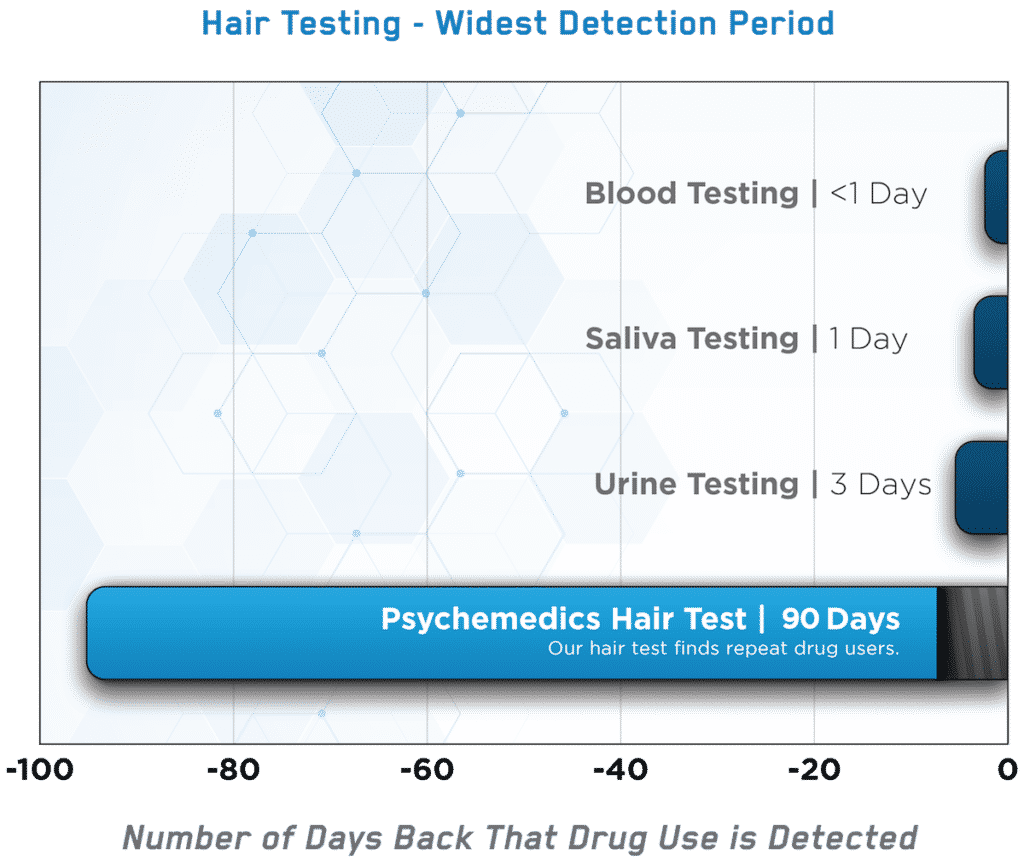
So, what's the deal with urine versus hair? The key difference lies in the detection window. Think of it like this: urine tests are like a snapshot in time, while hair tests are like a historical record. Urine tests typically detect drug use within the past few days or weeks, depending on the specific drug and individual factors like metabolism and hydration. They're great for catching recent drug use.
Must Read
Hair follicle tests, on the other hand, have a much longer detection window. Because drugs are incorporated into the hair as it grows, these tests can typically detect drug use going back several months, even up to 90 days! This makes them useful for identifying patterns of drug use, not just recent instances. The benefit of this longer detection window is a more comprehensive history, making it harder to mask long-term drug use.

Now, let's get to the heart of the matter: how can you pass a urine test but fail a hair test? The most common reason is timing. Imagine you used a substance, say, marijuana, a month ago. By the time your urine test rolls around, the metabolites might be undetectable. However, that month-old drug use is now part of your hair follicle, waiting to be discovered by the hair test. Therefore, if it has been a sufficient amount of time since you stopped using, your urine sample will show negative results, while the hair sample will be positive for the same use.
Another contributing factor could be the sensitivity of the tests. While both tests are generally reliable, hair follicle tests are often considered more sensitive, meaning they can detect even trace amounts of drugs. This means that even infrequent or low-dose drug use might be detected by a hair test when a urine test misses it. This is especially true for substances that are rapidly metabolized and eliminated from the body.

Can you beat a hair test? The internet is full of supposed remedies, shampoos, and detox treatments. However, the effectiveness of these methods is highly debatable and often based on anecdotal evidence rather than scientific proof. While some products might claim to remove drug metabolites from hair, it's crucial to remember that these claims are often unsubstantiated and could even be harmful.
Ultimately, the best way to pass a drug test – whether urine or hair – is to abstain from drug use. Understanding the differences between these tests and the limitations of masking methods can help you make informed decisions and avoid potentially negative consequences. This knowledge is power, so use it wisely!