Parts Of A Smoke Detector

Ever found yourself staring at an everyday object, wondering about the hidden marvels beneath its unassuming surface? In a world buzzing with complex gadgets, sometimes the true genius lies in the simplicity and vital importance of the things we often overlook. Today, let’s peel back the layers of a household hero: the smoke detector. While it might not seem like the next great art subject or hobby project, understanding the parts of a smoke detector can actually spark a surprising amount of creativity and curiosity!
For artists, hobbyists, and even the casually curious, delving into the innards of this vigilant guardian offers a unique blend of inspiration and education. Imagine the intricate circuit board, the delicate sensor, or the robust battery compartment. For artists, these components can transform into fascinating abstract shapes, intricate technical illustrations, or even conceptual pieces exploring themes of safety and vigilance. Think steampunk aesthetics applied to a humble sensor, or a pop-art explosion of its vibrant inner wiring.
Hobbyists, especially those keen on electronics or basic engineering, will find a treasure trove of learning. Deconstructing an old, non-functional unit is a hands-on masterclass in component identification and basic electrical principles. It’s an accessible entry point into understanding how a simple sensor translates smoke into a piercing alarm, a fundamental concept applicable to countless other devices. And for the casual learner, it demystifies a critical piece of home safety, transforming it from a mysterious beep-box into an understandable piece of ingenious engineering.
Must Read
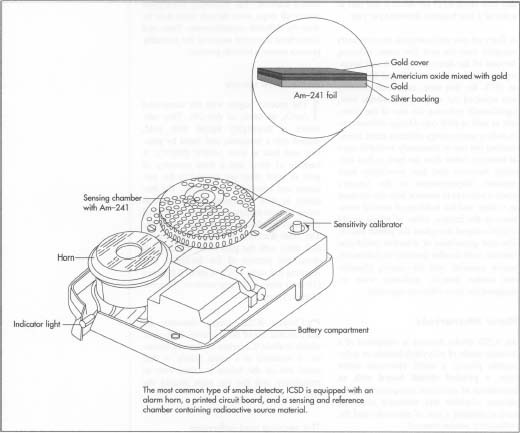
There are countless ways to interpret the "parts." You could create a detailed diagram focusing on the ionization chamber, explaining how tiny particles disrupt a current to trigger the alarm. Or perhaps highlight the photoelectric sensor, detailing its light source and receiver. Sketch the loud and proud piezoelectric horn, or design a futuristic concept based on its fundamental components. You could even explore the historical evolution, comparing the robust simplicity of older models with the integrated sophistication of modern, smart detectors.
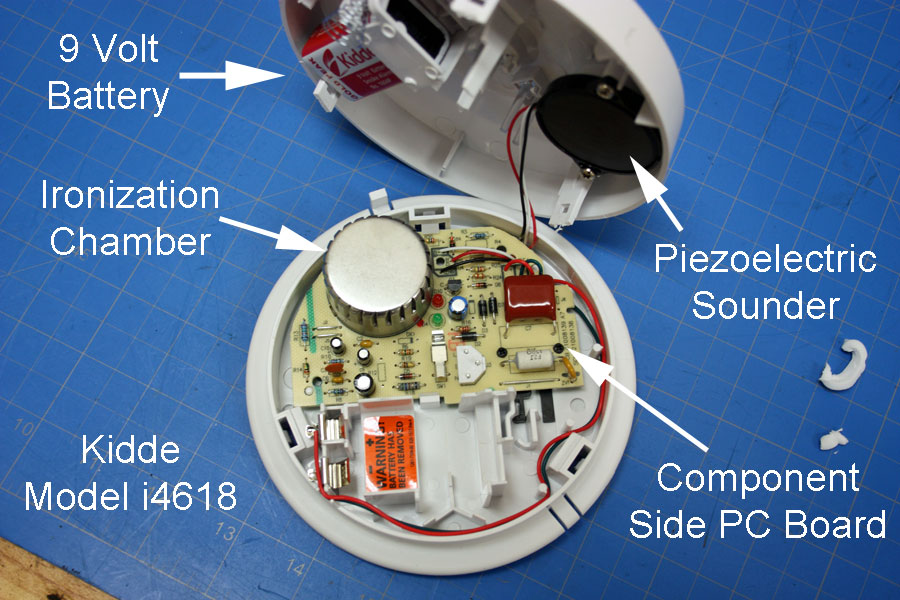
Ready to try this fascinating exploration at home? First, and most importantly, ensure you are using an old, non-functional smoke detector – never tamper with an active unit! Grab a set of small screwdrivers, a magnifying glass, and perhaps a small tray to keep track of tiny screws. Carefully open the casing, gently detach the circuit board, and begin identifying components. Research what each part does: the capacitor, the resistor, the integrated circuit. Sketch what you see, label the parts, and jot down notes. It’s like being a detective, uncovering the secrets of an everyday object.
Ultimately, exploring the parts of a smoke detector is enjoyable because it satisfies that innate human desire to understand. It’s the joy of discovery, of turning something mundane into a moment of wonder. It connects us to the ingenuity behind the tools that keep us safe and offers a fresh perspective on the marvels of engineering hidden in plain sight. So go ahead, unlock your curiosity – you might just find inspiration in the most unexpected places!